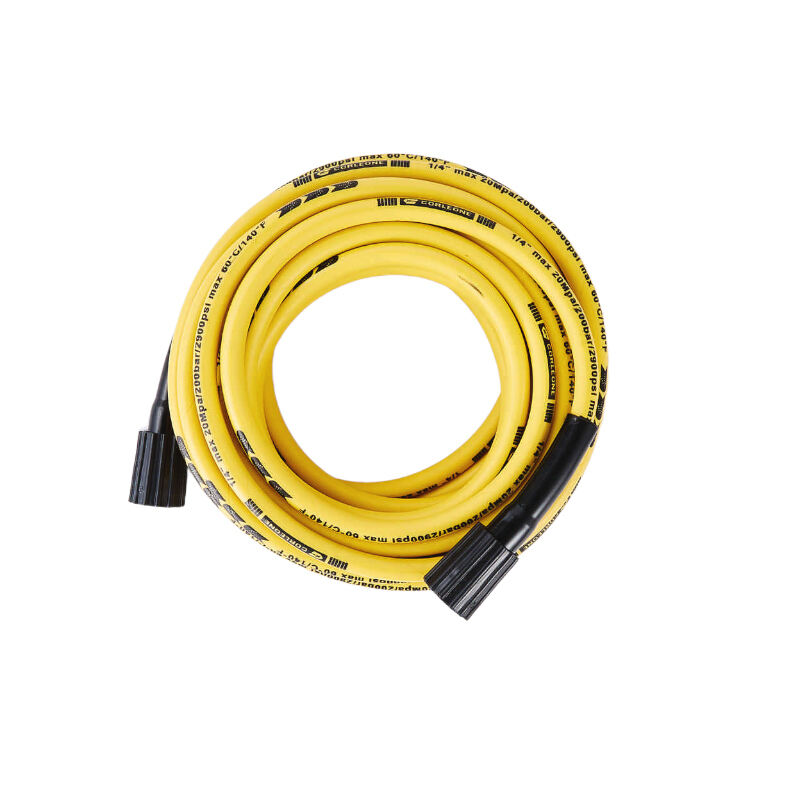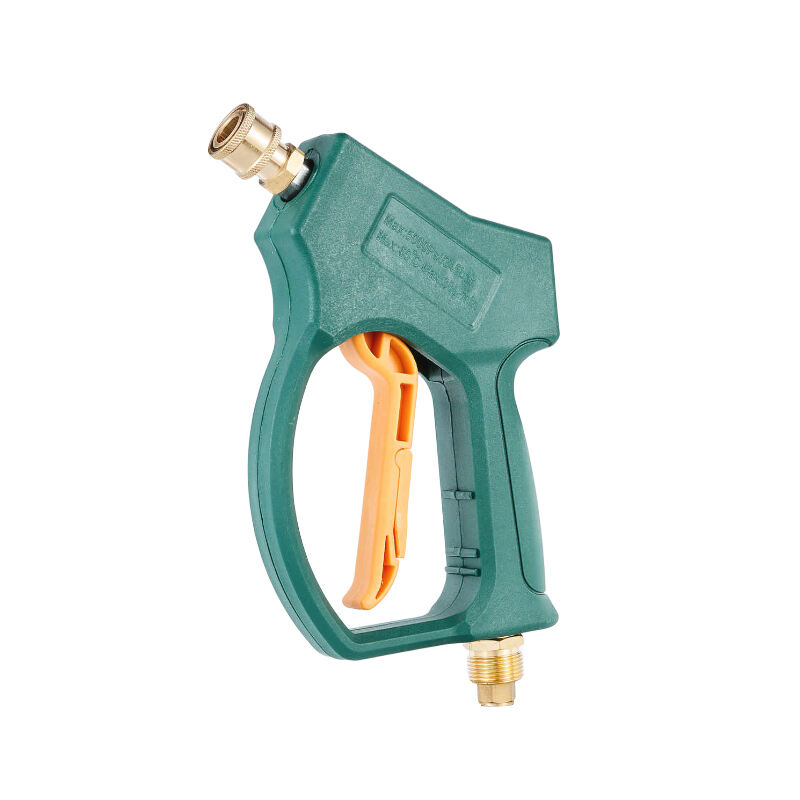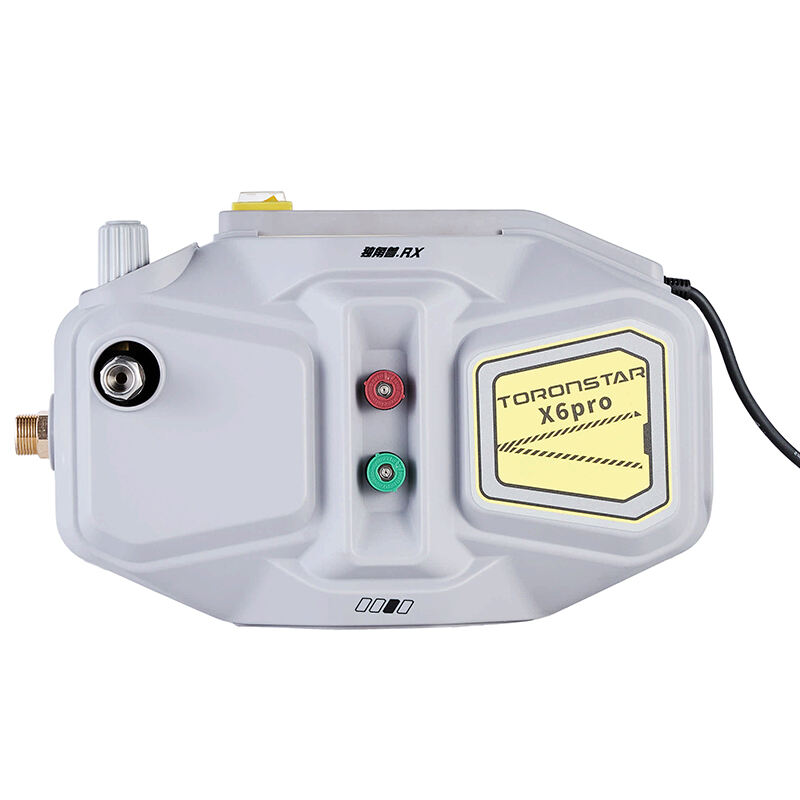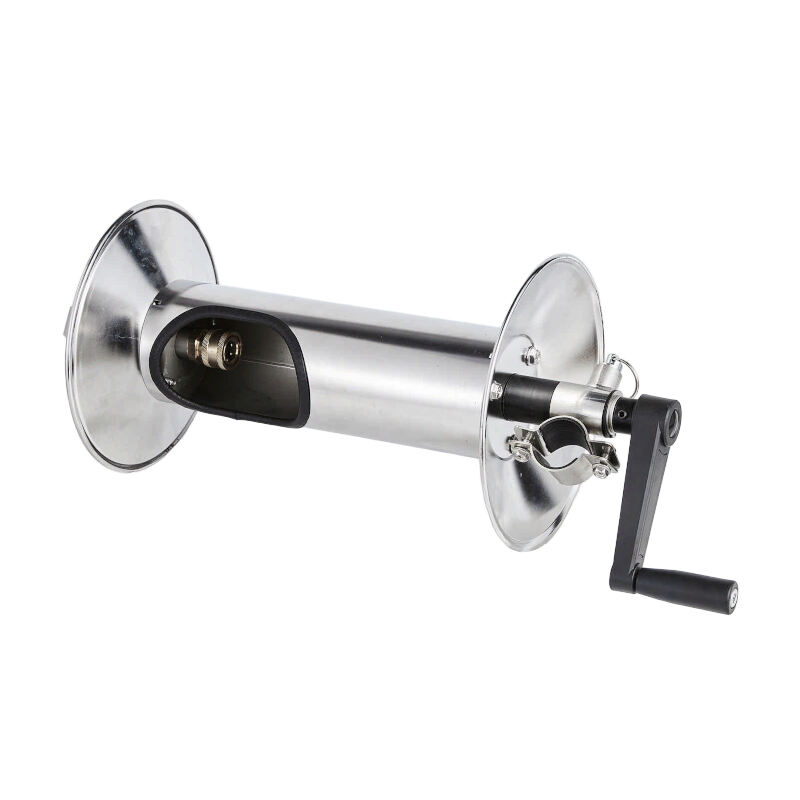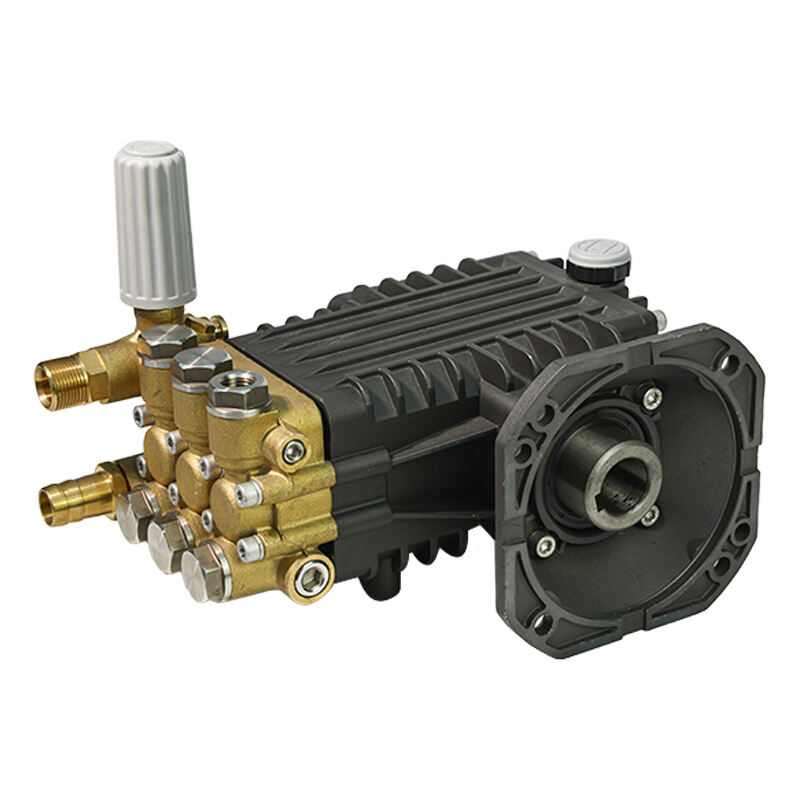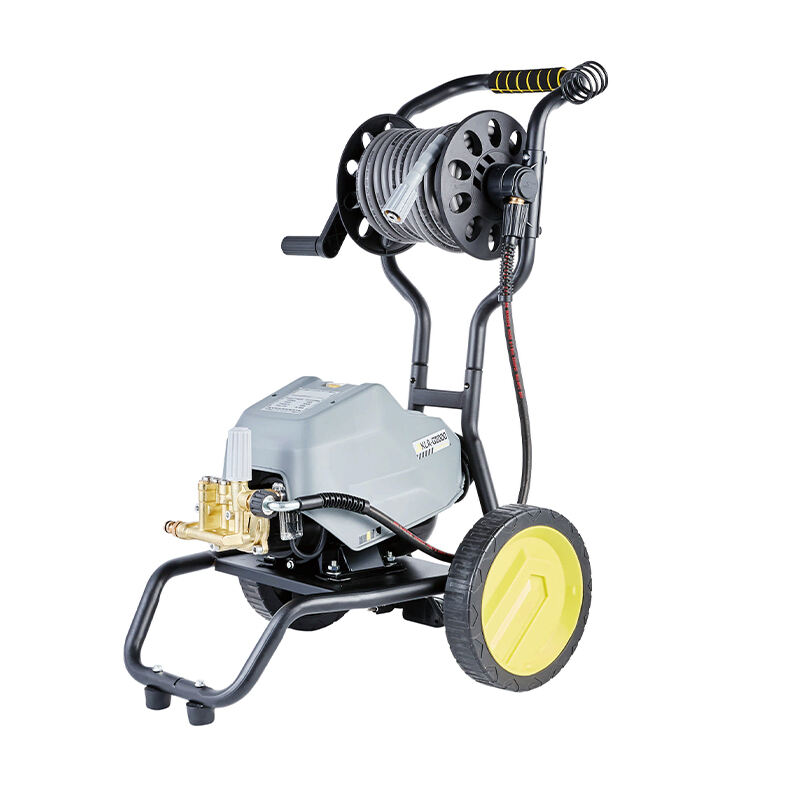
Electric power washers pack serious cleaning punch that works great against those stubborn industrial oil stains on concrete, asphalt, and metal surfaces. Most models operate between 1,300 to 2,000 PSI, which is just right for lifting thick hydrocarbon messes without damaging the pavement underneath. Manual scrubbing usually just pushes around the grime instead of getting rid of it entirely. Electric washers have something gas models lack too: fine-tuned pressure control. This matters a lot when working close to delicate machinery or near drainage areas where overpressure could cause problems. The smaller size and quieter running makes them easy to maneuver around tight spots in warehouses, loading zones, or inside maintenance areas. When dealing with really thick or hardened oils, adding hot water to the mix can speed things up by about 40%, according to EPA research from last year. Hot water actually gets into cracks and crevices where regular solvents won't penetrate, pulling out residue through sheer force rather than scratching surfaces. Facility managers we've talked to say jobs get done roughly 60% faster compared to using only cold water systems, which cuts down on lost production time. Another big plus? No fumes means these machines work safely indoors at places like food processors or pharmaceutical labs where air quality matters. With proper care and following manufacturer guidelines, these systems maintain surface condition while knocking out around 90% of oil buildup in most industrial settings.
Start by checking the pavement carefully for any cracks, chips, or areas that look structurally weak. About a third of early pavement problems actually come from pressure washing surfaces that aren't ready for it. Sweep away all the loose stuff first with a sturdy broom. For fresh oil stains, sprinkle some clay based absorbent material on them and let it sit around 20 minutes or so. This stuff grabs roughly 70 percent of the oil right off the surface before anyone even turns on the pressure washer. Don't forget to cover nearby plants and drainage areas with plastic sheets. The goal here is to contain everything properly so none of the dirty water ends up running into storm drains and causing bigger issues down the road.
Spray on a biodegradable alkaline degreaser with a pump sprayer, keeping around 12 to 18 inches away from where the stain starts. Let it sit for about 10 to 15 minutes, which really matters when dealing with old or rusty stains, so the cleaner can properly break down the mess. When working with hydrocarbon based oils, warming up the degreaser solution to no more than 140 degrees Fahrenheit makes a big difference. The heat cuts down on thickness by almost half compared to applying it cold, helping it get deeper into the grime. Use those polypropylene brushes to work in circles, making sure they overlap as we go along. Just enough movement to kickstart the cleaning action without scratching anything or going overboard on scrubbing.
| Parameter | Concrete | Asphalt | Pavers |
|---|---|---|---|
| PSI Range | 2,500–3,200 | 1,200–1,800 | 800–1,400 |
| Nozzle Angle | 25° turbo | 40° fan | 15° rotating |
| GPM | 2.0–2.5 | 1.4–2.0 | 1.0–1.8 |
Begin cleaning from around 36 inches away, getting closer only when dealing with really tough stains. Keep the nozzle moving all the time during cleaning work. If someone leaves the nozzle still on one spot too long, it can wear away about a third of a millimeter of surface material every second, which might lead to unsightly etching or pits forming. The best approach is to make sure each pass overlaps the previous one, covering about a foot per second so the oil gets pushed out evenly across the surface. Once most of the oil disappears from sight, rinse thoroughly right away before any remaining residue has a chance to stick back onto wet areas. This helps avoid those frustrating situations where cleaned spots end up looking dirty again later.
Cold water electric pressure washers work pretty well for fresh, light petroleum-based oil spills on surfaces that don't absorb much liquid, such as sealed concrete, but only if cleaned up within a few hours after the spill happens. These machines depend on physical force to clean rather than using heat or chemicals. The problem comes when dealing with thick, old, or hardened oils that have seeped deep into the surface pores. When temperatures drop below 120 degrees Fahrenheit (about 49 Celsius), oil gets significantly thicker according to a study from Industrial Cleaning Journal last year, which makes it much harder to remove effectively. Trying to compensate by cranking up the pressure can actually damage surfaces, especially older asphalt or worn concrete. For this reason, cold water systems make most sense in situations where quick cleanup is needed and there's no access to hot water equipment or where heat application would be inappropriate.
When hot water electric power washers run above around 160 degrees Fahrenheit (about 71 Celsius), they actually start breaking down those tough hydrocarbon chains in grime and grease, which makes things dissolve much better. According to Thermal Dynamics Review from last year, every 20 degree increase cuts oil thickness nearly in half. This means the hot water can get deeper into cracks in concrete surfaces and even work its way through gaps between asphalt particles. Compared to just using cold water, these heated systems remove roughly 40 percent more old industrial lubricants stuck on surfaces, plus they cut back on how much chemical degreaser needs to be used. And for really old oil stains that have been sitting there for over a month, going with a heated system lets workers clean effectively while using less pressure. Lower PSI means less wear and tear on surfaces, so buildings and roads stay looking good without compromising on cleaning results either.
When pressure goes beyond what's safe, it speeds up problems like cracks forming over time, pieces breaking off the surface, and bits of material getting knocked loose. Asphalt needs special attention here. Most electric pressure washers should stay around 1200 to 1500 psi range. The higher setting at 1500 works better on fresh asphalt that's been packed down properly. Concrete can handle more punch, usually between 2000 and 3000 psi, though anything past 3500 starts eating away at the surface texture. Keeping pressure in check helps maintain the binding agents and keeps everything stuck together properly in both materials. Plus, it gets rid of oil stains effectively without doing unnecessary damage.
Using a 40 degree fan nozzle helps spread out the pressure so it doesn't hit one spot too hard, which can cause tiny cracks to form over time. Keep moving constantly while staying at least 12 inches away from whatever surface needs cleaning, making sure each pass overlaps about half of the previous stroke for even results across the whole area. This technique stops those annoying water cut channels from forming in asphalt surfaces and keeps concrete intact without revealing the gravel underneath. After washing is complete, take a good look around for any signs things might be off track. Watch out for spots where material looks moved, colors seem different than before, or textures have changed these are all red flags pointing to problems hiding beneath the surface that could get worse if ignored.
| Damage Prevention Variable | Asphalt Guidelines | Concrete Guidelines |
|---|---|---|
| Maximum Safe PSI | 1,500 | 3,000 |
| Minimum Nozzle Distance | 12 inches | 12 inches |
| Optimal Cleaning Angle | 40-degree fan | 25–40-degree fan |
| Critical Risk Factor | Aggregate dislodgment | Surface etching |
Consistent adherence to these parameters extends pavement service life by preventing progressive structural degradation–delaying or eliminating the need for costly mill-and-fill repairs. According to pavement lifecycle analyses, facilities that follow these protocols reduce long-term maintenance costs by 18–34%.
 Hot News
2026-03-19
2026-03-12
2025-12-29
2025-11-27
2025-11-06
2025-10-19
 ONLINE
 EN
EN