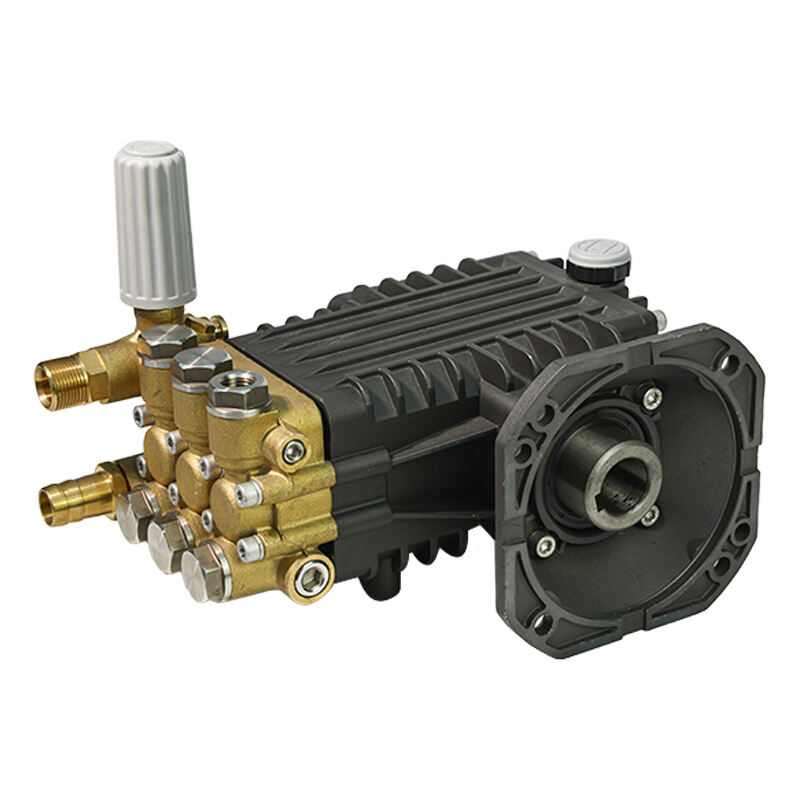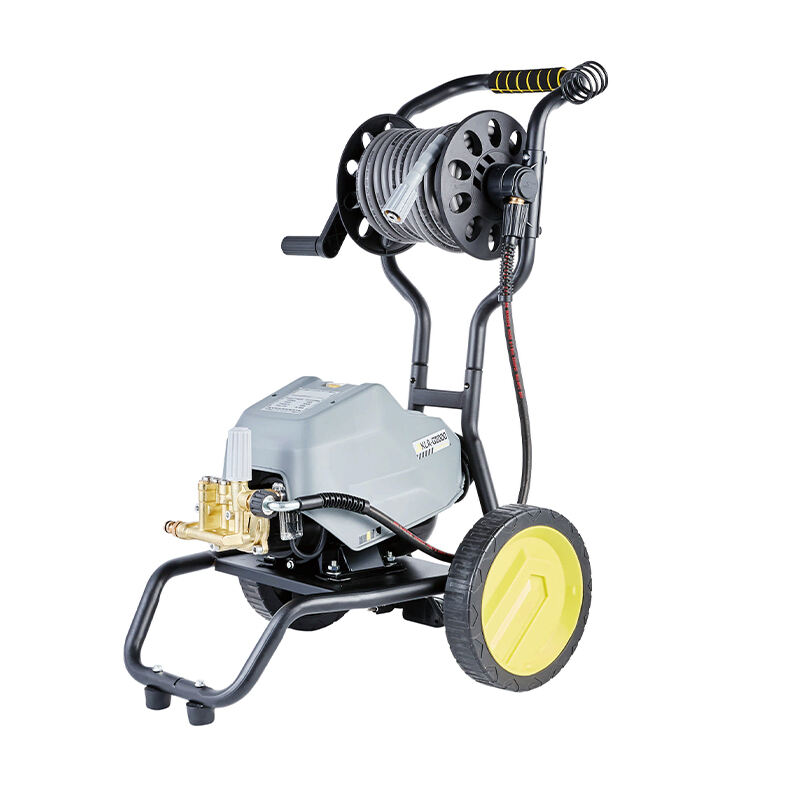
Getting the right PSI setting matters a lot if we want to keep car paint looking good. According to some industry research from the Auto Care Association back in 2023, pressure between 1,200 and 1,800 pounds per square inch generally does the job of cleaning away grime without messing up those protective coatings on most vehicles. But here's where things get tricky for newer models. If someone cranks up past 1,800 PSI, there's a real risk of scratching into those clear coat finishes that manufacturers put on nowadays. And don't forget about older classics either. Those vintage beauties with their single stage paint need much gentler treatment around 800 to 1,200 PSI works best so they won't end up looking worse than when they started.
| Vehicle Type | Safe PSI Range |
|---|---|
| Sedans/SUVs (modern) | 1,200–1,500 |
| Trucks/vans | 1,500–1,800 |
| Classic/restored cars | 800–1,200 |
GPM (gallons per minute) determines rinsing efficiency. A 1.4–1.6 GPM flow rate balances thorough cleaning with water conservation, effectively removing foam and contaminants without oversaturating sensitive components like door seals. High GPM (>2.0) wastes water and may force moisture into electrical systems, while low flow (<1.2) leaves residue streaks.
Electric pressure washers these days come with adjustable PSI settings through either dial controls or different nozzle attachments that let users tweak the output as needed. When starting out, most folks find it works best to begin with around a 40 degree spray angle and keep the wand about 12 to maybe 18 inches away from whatever surface they're cleaning. Only crank up the pressure when dealing with really tough stuff like brake dust buildup on wheel rims. Fixed pressure diesel machines just don't cut it for car detailing jobs because they can't make those subtle adjustments required to protect delicate paintwork without damaging it. Higher end models actually have thermal protection built in too. These sensors will kick in and lower the machine's power output whenever there's a risk of overheating, which helps prevent problems caused by excessive heat interacting with detergents left on surfaces.
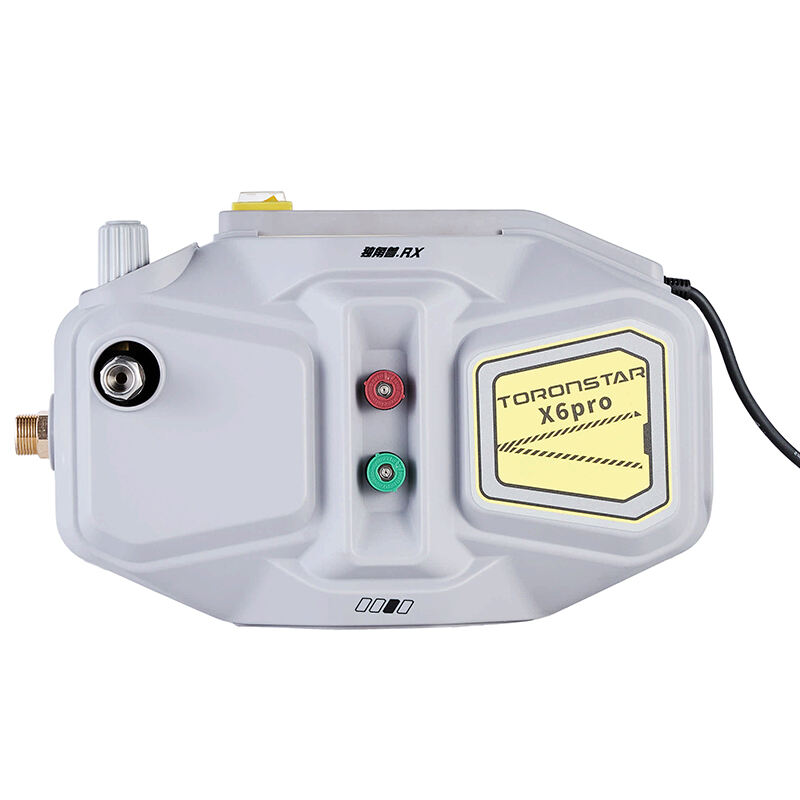
Most electric pressure washers work great in the 1300 to 2300 PSI range when cleaning cars, so they won't scratch paint but still get rid of stubborn dirt and grime pretty well. They're also lighter to carry around, don't make much noise, and since there's no exhaust coming out, they're actually safe enough to use inside a garage without worrying about fumes building up. Compared to those loud diesel machines, electric versions eliminate the need for storing fuel cans or changing oil regularly, which cuts down on maintenance expenses somewhere around 60 percent according to some industry reports from last year. Plus, many modern electric washers come equipped with built-in temperature sensors that kick in automatically if things start getting too hot, making them reliable even when working on big jobs that take hours to complete.
Most gas powered wash systems push way over 2,500 PSI which can really mess up car finishes or even get water where it shouldn't be, like inside electrical parts. According to some research from last year, almost 8 out of 10 times when cars end up with surface damage after being washed, it's because people are using these high pressure gas units wrong. Then there's the diesel versions too. They spew all sorts of bad stuff into the air and need constant attention. Just replacing spark plugs and cleaning those old fashioned carburetors takes around three to five extra hours every year compared to what folks have to do with electric models instead.
| Feature | Electric Pressure Washers | Gas Pressure Washers |
|---|---|---|
| Typical PSI Range | 1,300–2,300 | 2,500–4,000 |
| Noise Level | 65–75 dB | 85–100 dB |
| Emissions | None | CO, hydrocarbons |
| Annual Maintenance | 1–2 hours | 4–6 hours |
Gas pressure washers work great for heavy duty jobs such as getting rid of grime from concrete surfaces, but they can be too harsh on car paint. Electric units these days clean just as well at pressures under 1800 psi thanks to better nozzles and settings that let users control water flow. The right pressure makes all the difference when trying to get rid of stuff like road salt residue without messing up the clear coat protection layer. Pretty important actually since about 9 out of 10 cars today come with those factory applied ceramic coatings that really don't handle high pressure so well.
Selecting the proper nozzle and mastering spray techniques are critical for safely cleaning vehicles without damaging clear coats or paint. Electric models rely on precise nozzle selection and controlled spraying to achieve optimal results.
Fan nozzles with their 25 to 40 degree spray angle work great for regular washing tasks around the vehicle. Meanwhile those rotary nozzles that shoot out at 0 to 15 degrees are perfect when dealing with really stuck on grime and dirt. The adjustable tips make all the difference too since they can switch from a tight 15 degree spray up to a wide 65 degree fan depending on what part of the car needs attention. Alloy wheels versus rubber trim require different approaches after all. Most auto detailers find that sticking with a 40 degree fan nozzle gives good results without risking damage. Narrower sprays tend to etch paint over time which nobody wants, so finding that sweet spot between effective cleaning and protecting the finish matters a lot in professional settings.
| Nozzle Type | Ideal Spray Angle | Best For |
|---|---|---|
| Fan | 25°–40° | Paint, glass, trim |
| Rotary | 0°–15° | Wheel wells, undercarriage |
| Adjustable | 15°–65° | Multi-surface versatility |
Keep the nozzle about 12 to 18 inches away from whatever surface we're cleaning to stop any paint wear issues. When spraying, tilt the nozzle at roughly a 45 degree angle against the car body. This helps get rid of grime effectively while keeping water from sneaking under those rubber seals or getting into sensitive electrical parts. And don't point straight at old decals or faded clear coat areas either. Straight on spraying tends to peel back edges or create tiny scratches that really stand out under sunlight later on.
Foam cannons work their magic by producing this really sticky coating that grabs onto grime and pulls it away from surfaces without needing harsh scrubbing. Some research published in the Auto Detailing Journal back in 2023 found that vehicles pre-soaked with foam had about a third less chance of getting scratched during washing compared to those cleaned with regular sprays. When shopping around, keep an eye out for units that let users tweak the foam output level. This helps maintain even coverage across different areas like car hoods, wheel wells, and front grilles where dirt tends to hide. The protective film created by good quality foam actually works wonders alongside electric pressure washers too. These machines produce softer water streams that won't damage paint jobs or clear coats, something many detailers have discovered through trial and error over the years.
Built-in detergent tanks simplify mixing pH-balanced soaps specifically formulated for automotive surfaces. Avoid alkaline-heavy cleaners, which can strip wax coatings—opt for systems with marked fill lines and quick-connect valves. A 2022 survey found 72% of paint swirls originate from incompatible chemicals, making dedicated reservoirs essential for maintaining clear coat integrity.
Microfiber wash mitts and nylon-bristle brushes with rounded tips provide safe agitation for embedded grime. Rotating nozzles on brush handles allow directional control, while foam-padded edges protect trim and decals. For wheels, consider telescopic handles with non-marring tips to reach behind spokes without risking alloy damage.
Electric pressure washers designed for car washing prioritize portability, with models weighing 40% less than comparable diesel units. Reinforced PVC or hybrid polymer frames allow easy transport between garage bays without sacrificing structural integrity. Compact designs (under 25" height) enable vertical storage beside detailing carts or wall-mounted racks.
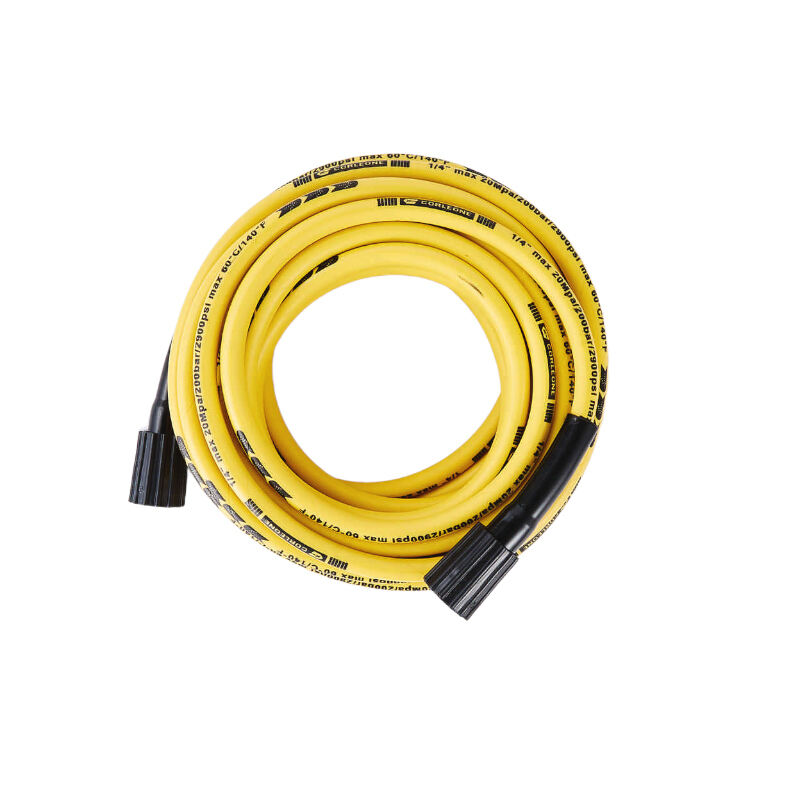
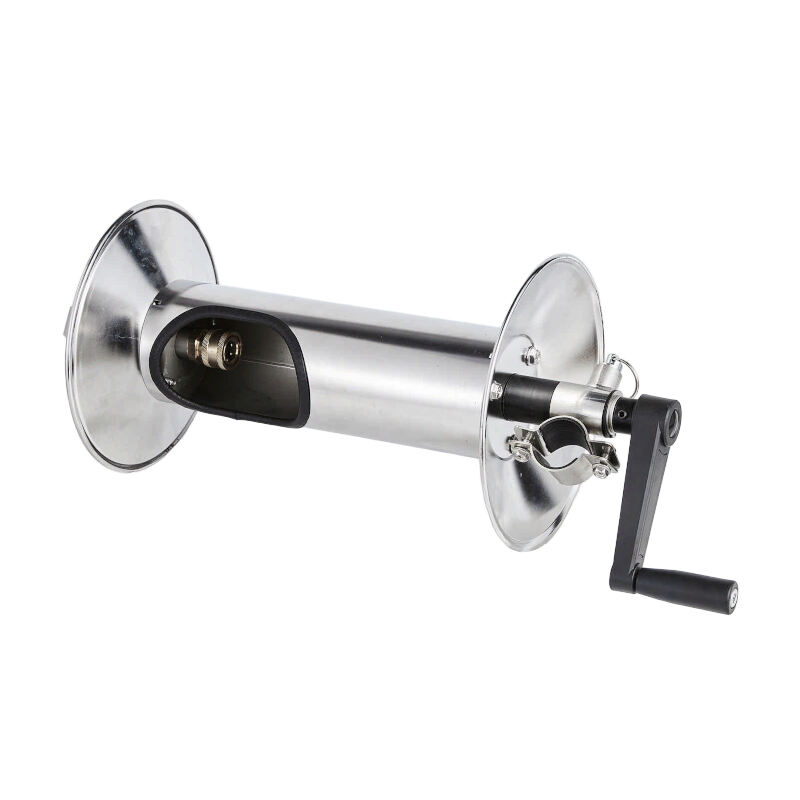
A 30–50' hose provides unrestricted movement around vehicles while minimizing kinks and pressure drops. Look for reinforced inner cores resisting abrasion from driveway surfaces and brass fittings maintaining 2,500+ PSI seals. Retractable hose reels simplify deployment and retrieval by 63% compared to manual coiling systems.
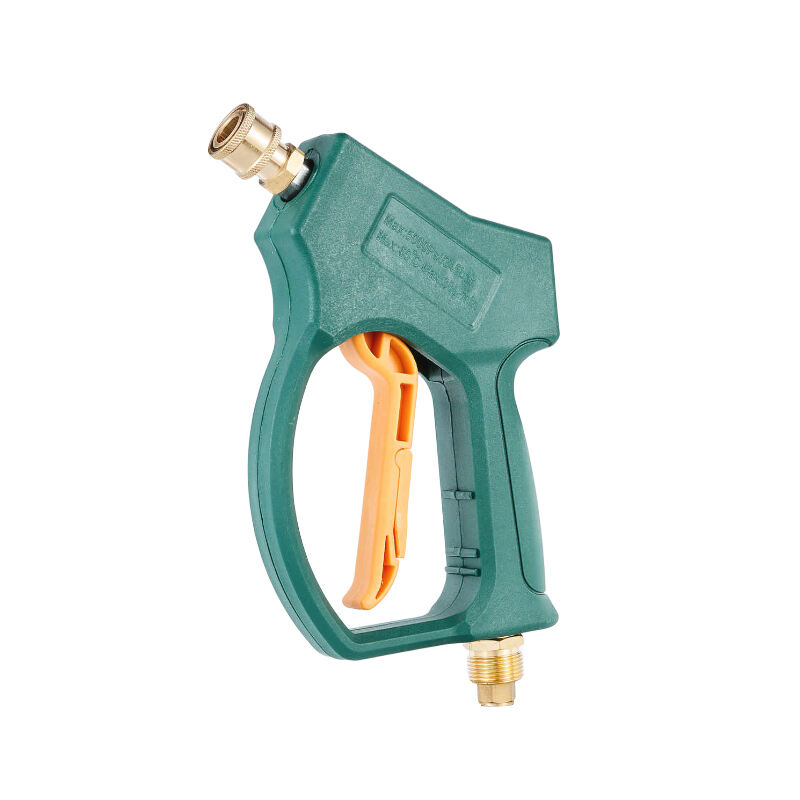
Pistol-grip handles with non-slip textures reduce hand fatigue during 45-minute wash sessions by 32% (Consumer Reports 2023). Integrated detergent tank latches and quick-connect nozzles enable complete system readiness in under 90 seconds. Wall-mounted cradles keep power cords and hoses elevated above floor debris between uses.
 Hot News
2026-03-19
2026-03-12
2025-12-29
2025-11-27
2025-11-06
2025-10-19
 ONLINE
 EN
EN