 EN
EN

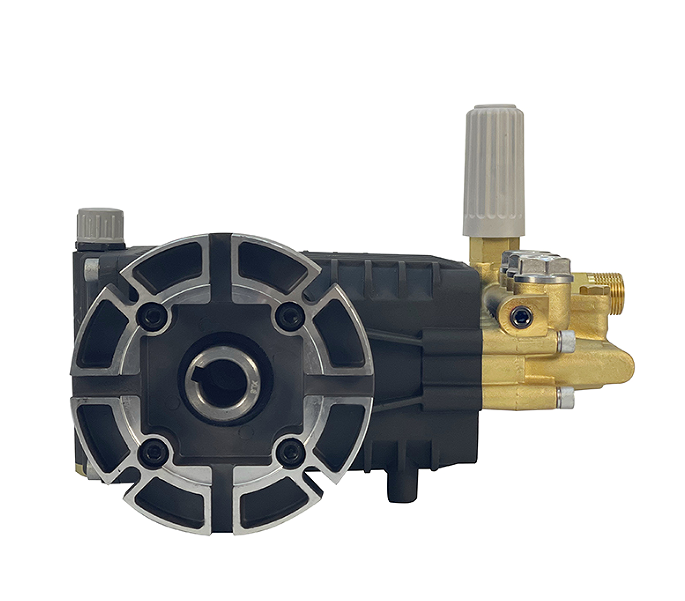
Root Causes of Low Pressure in Gas Pressure Washer Pumps
Symptoms and early warning signs specific to gas pressure washer systems
Gas pressure washers usually show warning signs long before they completely break down. The spray pattern might start looking uneven, the engine exhaust could become irregular, and there may be strange vibrations running through the wand. Most operators report noticing their engines sputter when they pull the trigger, which generally means the pump is working harder than normal. That metallic grinding sound when starting up cold? That's definitely not good news for gas models specifically. When the pressure drops more than 20 percent while running continuously, it's probably time to check those seals or look at plunger problems. Getting these issues fixed sooner rather than later makes a huge difference in repair bills too. Fixing them early on can cut maintenance costs anywhere from 40 to 60 percent compared to waiting until things get really bad.
How gas-powered pumps differ from electric in pressure generation and failure modes
Gas pressure washer pumps run at 50–70% higher RPMs than electric models, producing greater PSI but accelerating wear. This high-speed operation leads to three key failure modes not commonly seen in electric units:
- Thermal stress: Gas engines operate 30–50°F hotter, degrading seals and O-rings twice as fast
- Vibration damage: Engine imbalances generate harmonic vibrations that crack valve seats and loosen fittings
- Fuel contamination risks: Ethanol-blended fuels absorb moisture, leading to internal corrosion
Because gas models use direct drive systems, engine irregularities transfer straight to the pump, making them sensitive to minor misalignments. Electric washers avoid this with isolated couplings but deliver lower peak pressure.
Water Supply & Air Intrusion: The Most Common Gas Pressure Washer Pressure Loss Triggers
Inadequate inlet flow: Suction hose kinks, filter clogs, and water source limitations
More than half of all low pressure problems with gas pressure washers actually come down to bad inlet flow. When things aren't working right, start by looking at the suction hose first. Check for any kinks or spots where it might be collapsing from inside out since these will definitely limit how much water gets through. Don't forget about those inlet filters either. They get clogged pretty easily, and even when only partially blocked, they can really slow down water flow maybe cutting it by around 40 percent. The water supply matters too. Most standard garden hoses just don't deliver enough volume for these powerful machines. Look for at least 5 gallons per minute coming from whatever connection point you're using. If possible, try connecting to a different spigot altogether before jumping to conclusions about needing a new pump.
Air leaks in suction lines and failed priming – why gas pressure washers are especially vulnerable
The faster gas pressure washers run compared to their electric counterparts (over 3,000 RPM versus around 1,800 RPM) makes them more susceptible to air getting into the system. When running at those higher speeds, the vacuum in the suction line drops off significantly. Even small issues like minor leaks in connections or old O-rings can let air sneak in under these conditions. What happens next is called cavitation where air bubbles form inside the pump and then collapse rapidly. This process wears down seals over time and creates all sorts of problems with pressure consistency. If the washer fails to prime properly, things just get worse from there. To avoid these headaches, most experienced technicians recommend bleeding out the air first. Just let water flow through the entire system without building up pressure for about half a minute before firing up the engine.
Nozzle, Check Valve, and Flow Path Obstructions in Gas Pressure Washer Systems
Clogged or mismatched nozzles: Impact on PSI and flow rate in high-RPM gas pumps
When nozzles get clogged, they start reducing pressure almost right away. For those high RPM gas pumps out there, getting the nozzle orifice just right matters a lot. Even something small like a 0.1 mm difference in size can drop the pressure by around 40%, which puts unnecessary stress on the whole system. Over time, minerals and bits of dirt tend to build up inside these nozzles. What happens then? The smooth flow gets messed up, turbulence kicks in, and we lose precious pressure. A good rule of thumb is to check what GPM rating our equipment needs before picking a nozzle size. This helps keep things running properly for cleaning tasks while also protecting against undue wear and tear on components.
Check valve failure diagnosis and repair for older gas pressure washer models
When check valves start to fail in those older gas pressure washers, folks usually notice either erratic pressure changes or trouble getting the machine to prime properly. The best way to figure this out? Take everything downstream off first and then look for any backward flow when the unit runs. Most often, it's those rubber seals that have worn down over time, especially on machines past their fifth birthday. These worn seals let water flow backward through the system which drops the overall pressure significantly. Fixing the problem means draining all the water from the system first, scrubbing away any corrosion from the valve seat area, and swapping out those old seals. It's really important to go with original equipment manufacturer quality parts here since they're built to handle the constant heating and cooling cycles these machines experience during normal operation.
Critical Pump Wear: Plungers, Seals, and Unloader Valve Degradation in Gas Pressure Washers
Plunger and Packing Wear Patterns Unique to Gas Pressure Washer Duty Cycles
Gas pressure washers face harsher operating conditions, leading to accelerated plunger and packing wear. High RPMs and sustained heat produce three distinct failure patterns:
- Abrasive scoring from dirty water damages plunger surfaces
- Thermal hardening of packings reduces flexibility during cold starts
- Chemical degradation when solvents compromise seal materials
These issues result in fluctuating pressure during use. Research from a 2023 fluid dynamics study found gas pump plungers wear 30% faster than electric equivalents under the same load due to vibration harmonics.
Unloader Valve O-Ring Deterioration and Pressure Bypass in High-Heat Gas Pump Environments
The O-rings on unloader valves tend to break down pretty fast inside those gas pressure washers that run so hot. Once the engine gets past around 140 degrees F, which happens all the time in commercial models, these rubber parts start getting stiff and developing cracks. What happens next? Pressure leaks out through those tiny gaps. Operators usually notice it first as a drop in pressure when letting go of the trigger handle, then hear that annoying hiss coming from somewhere near the pump itself, and finally experience those wild pressure spikes that just don't make sense. All this makes the whole system work way harder than necessary, and we're talking about fuel consumption going up maybe as much as a quarter more. Anyone running machines with hot water systems or chemical injectors should plan on swapping out those O-rings roughly every 200 hours of actual operation if they want their equipment to keep performing at its best.
Table of Contents
- Root Causes of Low Pressure in Gas Pressure Washer Pumps
- Water Supply & Air Intrusion: The Most Common Gas Pressure Washer Pressure Loss Triggers
- Nozzle, Check Valve, and Flow Path Obstructions in Gas Pressure Washer Systems
- Critical Pump Wear: Plungers, Seals, and Unloader Valve Degradation in Gas Pressure Washers