 EN
EN

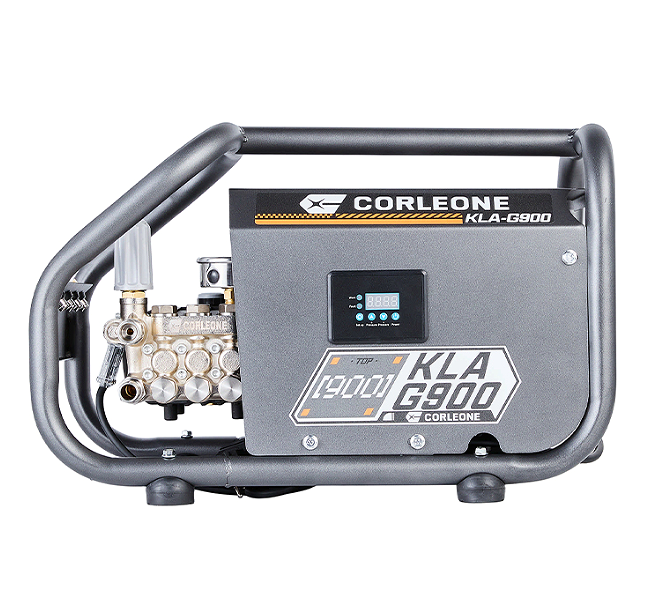
Safe and Clean Operation for Indoor Environments
Why electric power washers are safe for indoor use
Electric pressure washers cut down on the fire danger that comes with gas powered units since there's no need for gasoline around flammable materials. The electrical parts inside these machines are sealed tight enough to handle splashing water according to IPX4 standards, which makes them much safer from short circuits. Hook one up to a GFCI outlet and it adds another layer of protection against shocks, something that matters a lot when working close to wall sockets or breaker boxes. Most modern electric models also have those handy thermal shut off switches built in, so the motor doesn't overheat when running for long periods indoors where heat can build up pretty fast.
No carbon monoxide emissions: A critical safety advantage
Unlike gas models, electric pressure washers don't emit carbon monoxide at all, which is actually the number one killer from indoor air poisoning according to CDC stats from last year (around 400 people die this way every year in America alone). For places like maintenance shops, storage warehouses, and factory floors, this means they can get their cleaning done without having to spend thousands on fancy ventilation systems. The absence of CO means workers won't suffer from headaches, feeling dizzy, or getting confused while cleaning, so they stay alert and productive throughout their regular maintenance work instead of battling side effects from toxic fumes.
Zero exhaust emissions and improved indoor air quality
Electric tools don't emit hydrocarbons or nitrogen oxides, so they keep the air inside buildings much cleaner. This matters a lot in places that aren't well ventilated, where people might experience breathing problems or face health issues over time. Studies done in auto repair shops found that particulate matter dropped by around 78% when workers switched from gas powered gear to electric models according to research published in the Indoor Air Journal back in 2022. The benefits are even more pronounced for food processing plants. Imagine trying to maintain hygiene standards while dealing with exhaust fumes drifting past open production areas. That kind of contamination risk simply isn't acceptable in these sensitive environments.
Moisture control and ventilation considerations in enclosed spaces
While electric units remove fume hazards, moisture management remains essential indoors:
- Run dehumidifiers concurrently in high-humidity areas like bathrooms or basements
- Maintain 50–60% relative humidity to inhibit mold growth
- Use angled spray nozzles to limit overspray on drywall and sensitive surfaces
- Ensure cross-ventilation via open windows or exhaust fans
In industrial settings, Automatic Transfer Switch (ATS) systems help sustain uninterrupted ventilation during high-power cleaning cycles.
Quiet Performance Ideal for Indoor Use
Noise levels of electric pressure washers compared to gas models
Electric pressure washers run around 60 to 75 decibels, way down from gas versions that typically hit 85 or even 90 dB. According to updated OSHA noise standards from last year, cutting those numbers by about 15 to 25 dB means people actually hear them as roughly four to eight times less loud. Without all those roaring internal combustion engines, there's no annoying engine rumble either. That makes these electric models much better suited for places where noise matters a lot, like office buildings during work hours, inside homes while neighbors are sleeping, or near schools and hospitals where quiet is really important.
Quieter operation and its impact on indoor environments
Quieter equipment means less strain on hearing over time and better conversations between cleaning staff members. Studies indicate that being around noise levels above 70 dBA for long periods can actually boost stress hormone levels by about 15 percent according to the Journal of Occupational Health from last year. Electric models tend to operate well below these danger zones most of the time. The reduced sound allows janitorial work during regular business hours without causing problems for important meetings happening nearby, students trying to learn in classrooms, or patients resting in hospitals. This makes electric washers particularly useful not just in educational institutions and medical centers but also apartment complexes where local regulations often limit how loud maintenance activities can be throughout the day.
Eco-Friendly and Energy-Efficient Cleaning
Environmental benefits of electric power washers indoors
Electric power washers consume approximately 30% less energy than gas alternatives (ENERGY STAR, 2023) and generate zero direct emissions–eliminating indoor pollutants like carbon monoxide and fine particulates. Many models feature precision nozzles that cut water usage by 15–20% compared to conventional cleaning methods, conserving both energy and resources without compromising performance.
Compact Design and User-Friendly Handling
Lightweight design and ease of movement in tight indoor spaces
Electric power washers offer real advantages when it comes to moving around. They weigh about half what gas models do, making them much easier to maneuver around furniture, tight corners, and those awkward spaces like bathroom stalls or kitchen prep stations. Operators don't get as tired after long cleaning sessions since these machines aren't so heavy to carry around. Plus, their smaller size means they can fit right into utility closets without taking up much room at all. The ability to move freely really matters in places where space is limited, think retail storage areas, apartment building maintenance rooms, and even医院走廊 (hospital hallways) where every inch counts.
Simplified controls and convenience of electric washer operation
With electric models, there's no need to deal with complicated pull starts, fiddling with choke settings, or mixing fuel anymore. Just hit a button and go. The machines deliver steady pressure without anyone needing to mess around with engine adjustments. Plus they come packed with safety stuff like automatic shut off that stops them from getting too hot when used indoors. Getting people trained takes way less time because these units are so straightforward to operate. And since we don't have to store gas onsite anymore, this helps meet those indoor air quality standards and fire safety rules that keep coming up in inspections. Maintenance becomes a breeze too. No more swapping out spark plugs, changing oil, or dealing with stubborn carburetors. Staff can spend their days actually doing what they're paid for instead of wrestling with broken equipment.