 EN
EN

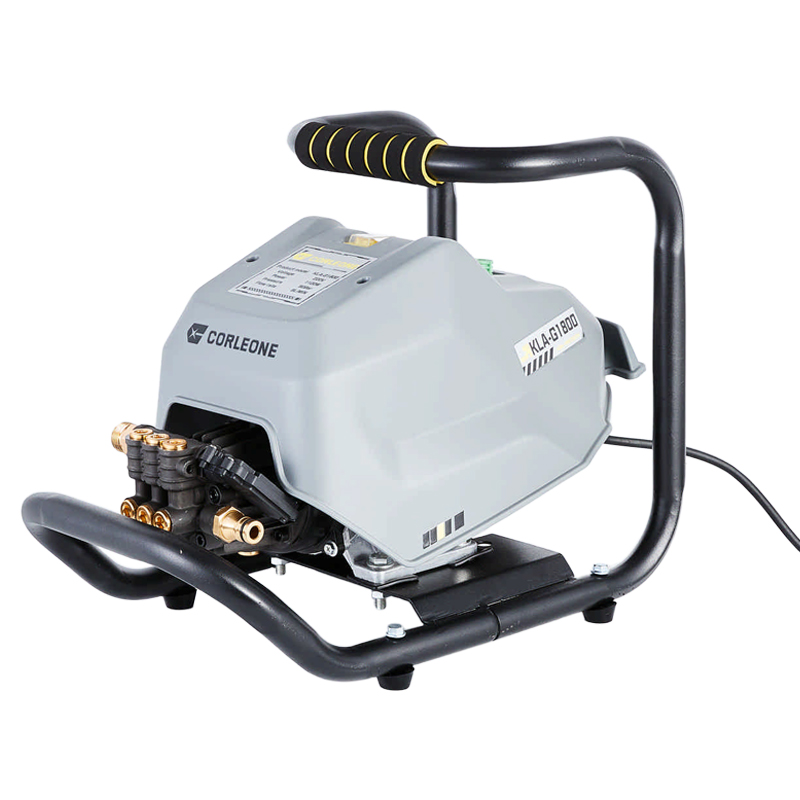
Understanding the Risk of High-Pressure Car Cleaner Jet Wash
Washing your vehicle with a power washer can be incredibly satisfying, but blasting paint with too much force often results in costly chips or clear coat damage. According to automotive maintenance studies by the International Detailing Association (IDA), applying water pressure above safe thresholds can immediately strip wax layers and etch delicate clear coats. When choosing a car cleaner jet wash, finding the right balance between cleaning power and surface safety is absolutely essential for protecting vehicle paintwork over the years.
The Ideal PSI Range for Safe Automotive Detailing
Determining the exact water pressure threshold requires understanding how different pounds per square inch ratings interact with automotive finishes. Professional detailing technicians and equipment engineers generally recommend keeping your car cleaner jet wash within the 1200 to 1900 PSI range with a flow rate of 1.2 to 2.0 gallons per minute. Industry benchmarking data from major automotive equipment associations highlights that operating within this specific pressure window effectively lifts stubborn road grime and mud without exerting enough mechanical force to compromise factory paint layers.
| Pressure Range (PSI) | Flow Rate (GPM) | Safety Level for Car Paint | Primary Application |
| Under 1000 PSI | 1.0 - 1.5 GPM | Extremely Safe | Light rinsing, foam application |
| 1200 - 1900 PSI | 1.2 - 2.0 GPM | Ideal and Safe | Standard vehicle washing and mud removal |
| Above 2500 PSI | 2.5+ GPM | High Risk / Unsafe | Industrial cleaning, concrete, heavy masonry |
Nozzle Selection and Spray Angle Mechanics
Beyond the raw machine pressure, the physical spray pattern plays a massive role in preventing paint damage during a wash session. Field experience from professional detailers shows that utilizing a 25-degree green nozzle or a 40-degree white nozzle distributes the impact force evenly across the surface. Directing a zero-degree red pinpoint nozzle at a vehicle is a common mistake that concentrates immense kinetic energy into a tiny point, which can instantly slice through clear coats and vinyl wraps regardless of the base machine settings.
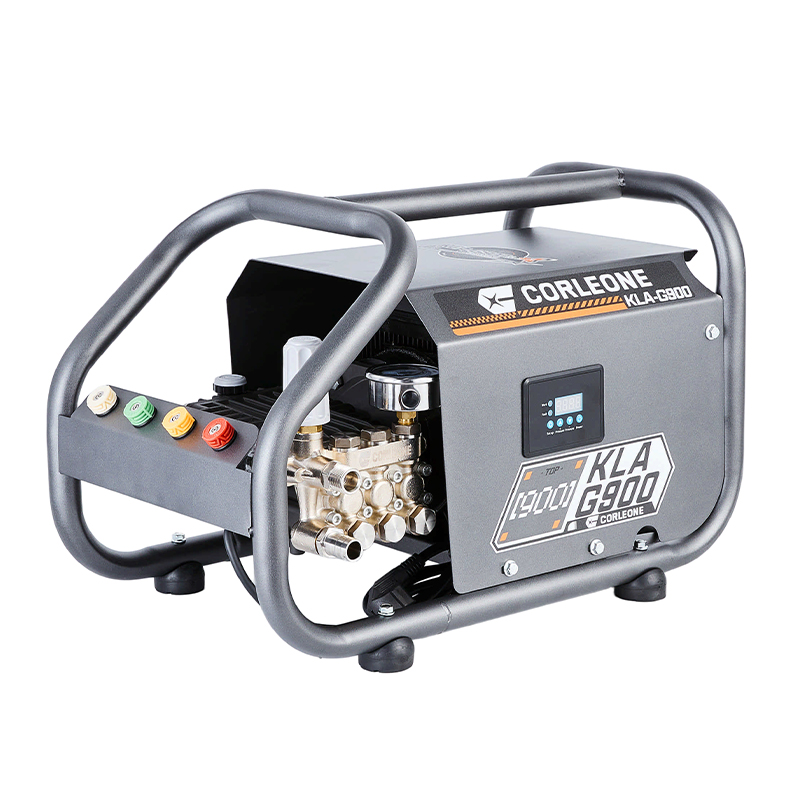
Recommended Equipment Configurations for Different Vehicle Surfaces
Different parts of a vehicle demand varying levels of care, meaning operators must adapt their washing techniques accordingly. Painted body panels tolerate moderate pressure well, whereas rubber window seals, convertible tops, and plastic trim require careful distancing or lower pressure settings to avoid premature wear. Maintaining a consistent distance of at least twelve inches between the spray tip and the car surface acts as a vital safety buffer, absorbing excess kinetic shock and ensuring a spotless, undamaged finish.
| Vehicle Component | Recommended Distance | Suggested Nozzle Angle | Potential Risk if Mismanaged |
| Painted Body Panels | 12 - 18 Inches | 25-Degree (Green) | Clear coat etching or paint chipping |
| Glass and Windows | 12 Inches | 25-Degree or 40-Degree | Seal damage or water intrusion |
| Tires and Wheels | 8 - 12 Inches | 15-Degree (Yellow) | Rubber sidewall tearing or structural weakening |
| Rubber Trims and Seals | 18+ Inches | 40-Degree (White) | Premature cracking or detachment |
Industrial Manufacturing Excellence and Global Supply Reliability
Delivering reliable performance in high-pressure cleaning equipment requires robust manufacturing infrastructure and stringent quality control protocols. Demax leverages advanced production techniques and comprehensive global supply chain networks to engineer durable cleaning solutions trusted by commercial distributors worldwide. By combining precision engineering with rigorous durability testing, Demax ensures that every car cleaner jet wash meets the highest international standards, providing partners with resilient products built for long-term operational success.