 EN
EN

Core Performance Metrics: PSI, GPM, and Duty Cycle for Long-Term Reliability
PSI and GPM Balance: Why Cleaning Power Alone Doesn’t Guarantee Reliability
Many buyers fixate on PSI when evaluating pressure washers, but cleaning power is only half the story. PSI (pounds per square inch) determines the force of the water jet, while GPM (gallons per minute) measures flow volume. A machine with extremely high PSI but low GPM can blast through tough grime—but it takes significantly longer to rinse large surfaces, increasing operator fatigue and yielding inconsistent results. In contrast, a balanced unit with moderate PSI and higher GPM cleans faster by sweeping dirt away with greater water volume. This equilibrium also reduces mechanical strain on internal components, as the pump avoids sustained maximum-pressure operation. Over time, pressure washers relying solely on high PSI often suffer accelerated seal wear and heat buildup. A truly reliable machine delivers the right PSI–GPM combination for its intended use—not just the highest numbers on the spec sheet.
Duty Cycle Ratings Explained: How Continuous-Use Endurance Prevents Overheating and Premature Failure
Duty cycle ratings indicate how long a pressure washer can run continuously within a given hour, expressed as a percentage. For example, a 50% duty cycle means 30 minutes of operation followed by 30 minutes of cool-down. Units with low duty cycles (e.g., 10%) are designed for short, sporadic use and will overheat if pushed beyond their limits—damaging pump seals and motor windings. Commercial-grade equipment, by contrast, often features 100% continuous-duty ratings, enabling all-day operation without thermal failure. Choosing a pressure washer with a duty cycle matched to your workload prevents unplanned downtime and costly repairs. Operators who ignore this metric may find their machines tripping thermal cutouts mid-job. A reliable pressure washer must sustain its rated output under real-world conditions—not just during brief bursts.
Critical Component Durability: Pumps, Frames, and Materials That Withstand Real-World Use
Triplex vs. Axial Cam Pumps: Lifespan, Service Intervals, and Failure Patterns in Residential and Commercial Pressure Washers
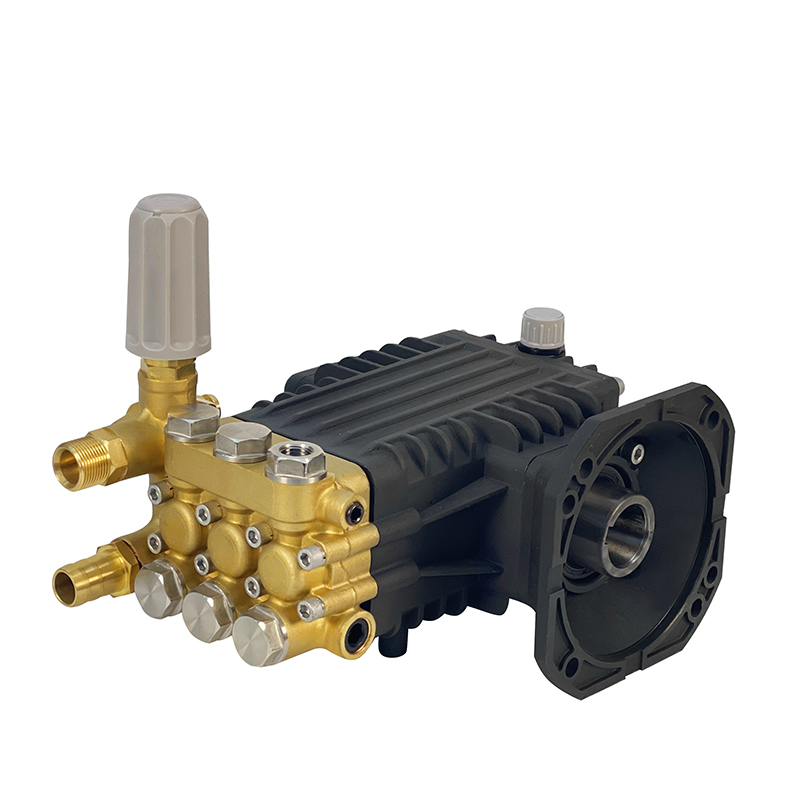
The pump type is the single strongest predictor of long-term reliability. Triplex pumps use three pistons to deliver smoother pressure and lower vibration—contributing to an average 2,000-hour lifespan in commercial units, triple that of axial cam models. Service intervals extend to 500 hours versus 100–200 hours for axial pumps. Failure patterns differ meaningfully: axial cam pumps commonly fail from overheating and cracked swash plates under continuous load, while triplex units typically show early signs of seal wear or valve issues—both more predictable and easier to service. For residential users operating under 25 hours annually, axial cam pumps offer adequate durability at lower cost points. Commercial operators logging 500+ hours yearly require triplex pumps to avoid premature failure. Material upgrades—like ceramic-coated plungers and hardened steel valves in premium triplex pumps—further enhance resistance to abrasive wear from dirty water sources.
Corrosion-Resistant Housings and Reinforced Hose Connections by Tier: What Separates $300 from $1,200 Pressure Washers
Entry-level pressure washers ($300 tier) commonly use painted mild steel frames and brass hose connectors—both prone to surface rust within 18 months when exposed to moisture and cleaning chemicals. Mid-tier models ($500–$800) upgrade to powder-coated aluminum frames and stainless-steel fittings, resisting salt and detergent corrosion for 3–5 years. Professional-grade units ($1,200+) feature:
| Component | Budget Tier | Premium Tier |
|---|---|---|
| Frame Material | Painted mild steel | Cast aluminum with anodized coating |
| Hose Connections | Brass fittings | Stainless steel quick-connects |
| Chemical Resistance | Limited (pH 7–9 cleaners) | Full (pH 3–12 cleaners) |
Reinforced hose connections maintain integrity at 3,000+ PSI—critical for commercial spray wand attachments. Anodized aluminum housings resist UV degradation and chemical exposure, preserving structural integrity beyond 10,000 operating hours. These material and engineering upgrades explain the 300% price differential while delivering up to five times the service life in harsh environments.
Smart Design Features That Reduce User Error and Extend Pressure Washer Lifespan
Quick-Connect Systems, Tool-Free Nozzle Swapping, and Balanced Weight Distribution — Mitigating Operator-Induced Wear
Ergonomic design directly combats premature wear by minimizing common handling mistakes. Quick-connect fittings eliminate cross-threading risks during hose attachment—a leading cause of leaks in units lacking this feature. Tool-free nozzle systems allow rapid spray pattern changes without wrenches, preventing overtightening damage to lance threads. Balanced weight distribution reduces fatigue-induced drops or impacts; models with centralized motors and low center-of-gravity frames show 30% fewer impact-related pump failures in equipment durability studies. These intentional design choices transform routine maintenance from error-prone tasks into intuitive operations—directly extending functional lifespan by addressing human factors in equipment interaction.
Essential Safety Certifications and Compliance Requirements for Reliable Pressure Washers
When evaluating reliability, safety certifications serve as objective benchmarks for design rigor and manufacturing quality. In the European market, CE marking confirms compliance with health, safety, and environmental directives. In the United States, the UL mark verifies that electrical components meet rigorous safety standards. Canadian models require CSA certification, and equipment sold in China must carry CCC certification. These regional approvals ensure that a pressure washer’s electrical system, hose connections, and pressure components have been tested against known failure modes—including electrical shock, burst hoses, and thermal overload. Without proper certification, users face elevated risk of injury, equipment damage, and liability exposure. Checking for these marks before purchase supports long-term operational safety and reflects adherence to globally recognized engineering standards.
FAQ
What is the importance of balancing PSI and GPM in pressure washers?
Balancing PSI and GPM ensures efficient cleaning and reduces strain on internal components, enhancing reliability.
What does duty cycle mean for pressure washers?
Duty cycle ratings indicate how long a pressure washer can run continuously within an hour without overheating or damaging components.
Why are triplex pumps considered better for commercial use?
Triplex pumps have a longer lifespan, smoother operation, and are more predictable to service compared to axial cam pumps.
How do material upgrades improve the durability of pressure washers?
Premium materials like anodized aluminum frames and stainless-steel fittings resist rust, corrosion, and wear, extending service life.
What certifications should I look for in pressure washers?
Look for CE, UL, CSA, or CCC certifications to ensure compliance with safety standards and long-term operational safety.
Table of Contents
- Core Performance Metrics: PSI, GPM, and Duty Cycle for Long-Term Reliability
- Critical Component Durability: Pumps, Frames, and Materials That Withstand Real-World Use
- Smart Design Features That Reduce User Error and Extend Pressure Washer Lifespan
- Essential Safety Certifications and Compliance Requirements for Reliable Pressure Washers