 EN
EN

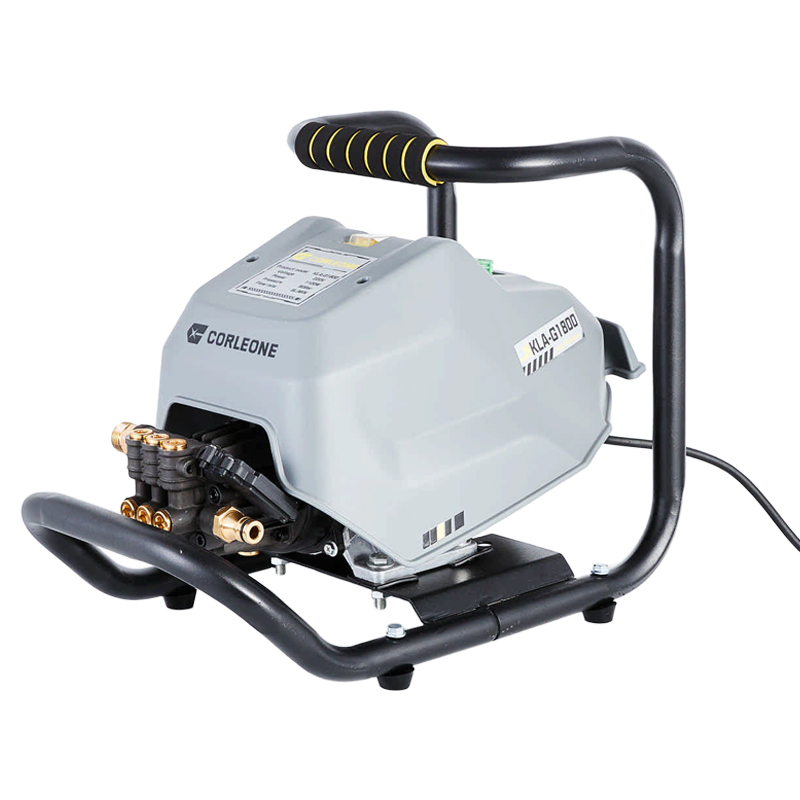
Key Performance Metrics: PSI, GPM, and Their Impact on Commercial Car Wash Efficiency
Optimal PSI Range for Thorough Yet Safe Vehicle Surface Cleaning
Pounds per square inch, or PSI for short, basically tells us how hard water hits whatever surface it's directed at. Most commercial car wash operations find that somewhere around 1,200 to 2,000 PSI works best when trying to clean cars without damaging their paint jobs. The thing is, going too high with the pressure gets rid of road dirt faster, but can actually scratch or etch the clear coat on vehicles, particularly when using those tight angle nozzles that focus the stream so narrowly. On the flip side, lower pressure settings are gentler on fancy finishes, though they mean workers spend more time scrubbing and overall labor expenses go up. Looking at what most professionals recommend plus actual experience from the field, about 1,500 PSI seems to hit just right for most situations. It lifts away all sorts of stuck-on gunk without messing with factory applied clear coats. Good quality equipment with thermal protection keeps this consistent pressure going through long work periods, so performance doesn't drop off when business picks up during busy hours.
Why GPM Is Critical for Throughput in High-Volume Electric Pressure Washer Operations
GPM (gallons per minute) governs rinsing speed, detergent coverage, and overall cycle time. Facilities processing 30+ vehicles daily require a minimum of 1.6 GPM, with 2.0–2.1+ GPM recommended for SUVs, trucks, and fleet operations. Higher flow rates:
- Cut per-vehicle cleaning time by 25–40%
- Enhance soap removal, reducing water-spotting and rework
- Enable precise chemical injection for rapid, uniform pre-soak application
The true measure of cleaning power is the PSI × GPM product—not PSI alone. A 1,500 PSI/2.0 GPM unit delivers 3,000 cleaning units, outperforming a 2,000 PSI/1.2 GPM model (2,400 units) in real-world throughput and finish quality. This metric reflects how effectively energy translates into surface coverage and residue clearance.
Commercial Durability and Reliability of Electric Pressure Washers
Motor Longevity, Thermal Protection, and Continuous-Duty Ratings
The commercial car wash business needs electric pressure washers that can handle constant work every day. Motors featuring Class H insulation can take on temperatures as high as 356 degrees Fahrenheit (or around 180 Celsius) which means these machines last much longer than what's sold at regular stores. Most good quality models come with built-in thermal overload protection that stops the machine from running when it gets too hot, so the internal parts don't get damaged after multiple runs throughout the day. Industry standards have been set through third party testing that proves these professional grade washers maintain their power output even during long shifts lasting between eight to twelve hours straight. Testing done over time has shown that industrial strength motors actually last about three times longer than those made for home use. With proper maintenance, some operators report getting around ten thousand hours of operation out of their systems before needing significant repairs.
Robust Frame Design, Component Accessibility, and Service-Friendly Architecture
The durability factor isn't just about the motor anymore these days. It really comes down to how well the whole system holds up over time. Frames made from heavy gauge stainless steel combined with those IPX5 rated enclosures stand up pretty well against all sorts of harsh conditions. We're talking about resistance to corrosion when exposed constantly to water, cleaning chemicals, and even road salt. The modular design is another big plus point. Technicians can get to pumps, valves, and control boards using just one tool most of the time. Maintenance crews report cutting their work time by around 30% compared to older models. There are plenty of other smart touches too. Color coded hydraulic connections help prevent mistakes, filter panels that don't need tools to remove, and standard mounting spots for replacement parts. These features together seem to cut down on average repair times somewhere in the neighborhood of 40% based on what maintenance records show across different fleets. And let's not forget about those vibration dampening mounts that keep everything aligned properly during transportation between bays, which helps avoid unnecessary wear and tear on internal components.
Power Infrastructure and Environmental Compatibility for Indoor/Outdoor Car Wash Facilities
For commercial car wash operations, having the right electrical setup matters a lot when running electric pressure washers at their best performance levels. Most systems need access to 208 to 480 volts of three phase power, which should run through special circuits so there's no drop in voltage while the machines are working non stop. When power goes out or fluctuates, backup options like generators or those big industrial battery backups keep things running smoothly, which means customers aren't left waiting and schedules stay on track. Inside facilities, good airflow is essential because moisture builds up fast and can damage electrical components over time. For outside setups, equipment needs to be protected against weather according to IP65 standards, meaning it can handle rain, dirt, and temperature changes without failing. Water drainage is another big deal too. Concrete surfaces should have a slope of about quarter inch per foot so water drains away from where the equipment sits, preventing slips and falls. Placement of everything also affects noise levels, something that becomes really important in city areas where noise regulations apply strictly. All these considerations combined help maintain reliable day to day operations while staying within all the necessary building and safety requirements for commercial properties.
Vehicle-Specific Cleaning Tools: Nozzles, Chemical Injection, and Safety Integration
Spray Angle, Orifice Sizing, and Detergent Compatibility for Paint-Safe Washing
Choosing the right nozzle makes all the difference when it comes to getting clean results without damaging surfaces. Nozzles with a 40 to 65 degree spray angle work best for washing panels because they spread water evenly across the surface. This helps remove dirt effectively while keeping pressure from building up too much in one spot, which could ruin clear coat finishes. Anything narrower than 25 degrees focuses too much power on small areas and runs the risk of etching paint, particularly noticeable on older cars or those with curved bodywork. When picking an orifice size, match it to what your equipment can handle in terms of gallons per minute. Bigger holes let more water through at lower pressure, great for rinsing off soap residue. Smaller openings create stronger spray but need higher pressure and proper distance from the surface to avoid damage. Most car finishes look their best when cleaned around 1,200 to 1,800 pounds per square inch, so finding the right balance between nozzle size and system flow rate is essential for good results.
Getting the right detergent for vehicles protects not just the surface finish but also extends how long equipment lasts. Stick to pH neutral stuff around the 6.5 to 7.5 range because anything more alkaline than 8.5 starts eating away at those protective waxes and will eventually ruin clear coat finishes. The chemical injectors that come built in need to meter out just the right amount usually somewhere between half a percent and 1.5% depending on what's flowing through them. Getting this wrong means either dirty cars from too little product or residue problems plus environmental headaches when there's too much. And don't forget about thermal protection on those pumps they keep things running smoothly even when chemicals are being used for longer periods.
| Factor | Paint-Safe Range | Risk Threshold |
|---|---|---|
| Spray Angle | 40°–65° | <25° (paint etching) |
| Detergent pH | 6.5–7.5 | >8.5 (clear coat damage) |
| Chemical Concentration | 0.5%–1.5% | >2% (residue buildup) |
Regular nozzle inspections prevent mineral-induced clogging that distorts spray patterns and creates uneven pressure distribution. Ceramic orifice inserts—superior to brass in resistance to chemical corrosion and wear—are strongly recommended for long-term consistency and finish safety.
FAQ Section
What is the optimal PSI range for cleaning vehicles without damaging them?
The optimal PSI range for cleaning vehicles without damaging them is generally between 1,200 and 2,000 PSI. 1,500 PSI is often recommended for effectively cleaning while preserving the paint and clear coat finish.
Why is GPM important for high-volume car wash operations?
GPM is important because it governs rinsing speed, detergent coverage, and overall cycle time. Higher GPM rates, such as 2.0–2.1+, cut cleaning time, enhance soap removal, and improve chemical injection for rapid pre-soak application.
How can durability and reliability be ensured in electric pressure washers?
Durability and reliability depend on factors like motor longevity with Class H insulation, built-in thermal overload protection, and robust frame design using heavy gauge stainless steel with modular components for easy maintenance.
What are the considerations for power infrastructure in car wash facilities?
Facilities should ensure proper access to three-phase power (208-480 volts), backup options like generators, proper drainage with concrete surface slope, and noise-level considerations to meet city regulations.
What should be considered when selecting vehicle-specific cleaning tools?
Choose suitable nozzles with a 40–65° spray angle, compatible orifice sizes for desired GPM, pH neutral detergents (6.5–7.5), and maintain chemical concentration levels to avoid residue buildup and ensure paint-safe washing.
Table of Contents
- Key Performance Metrics: PSI, GPM, and Their Impact on Commercial Car Wash Efficiency
- Commercial Durability and Reliability of Electric Pressure Washers
- Power Infrastructure and Environmental Compatibility for Indoor/Outdoor Car Wash Facilities
- Vehicle-Specific Cleaning Tools: Nozzles, Chemical Injection, and Safety Integration
-
FAQ Section
- What is the optimal PSI range for cleaning vehicles without damaging them?
- Why is GPM important for high-volume car wash operations?
- How can durability and reliability be ensured in electric pressure washers?
- What are the considerations for power infrastructure in car wash facilities?
- What should be considered when selecting vehicle-specific cleaning tools?