 EN
EN

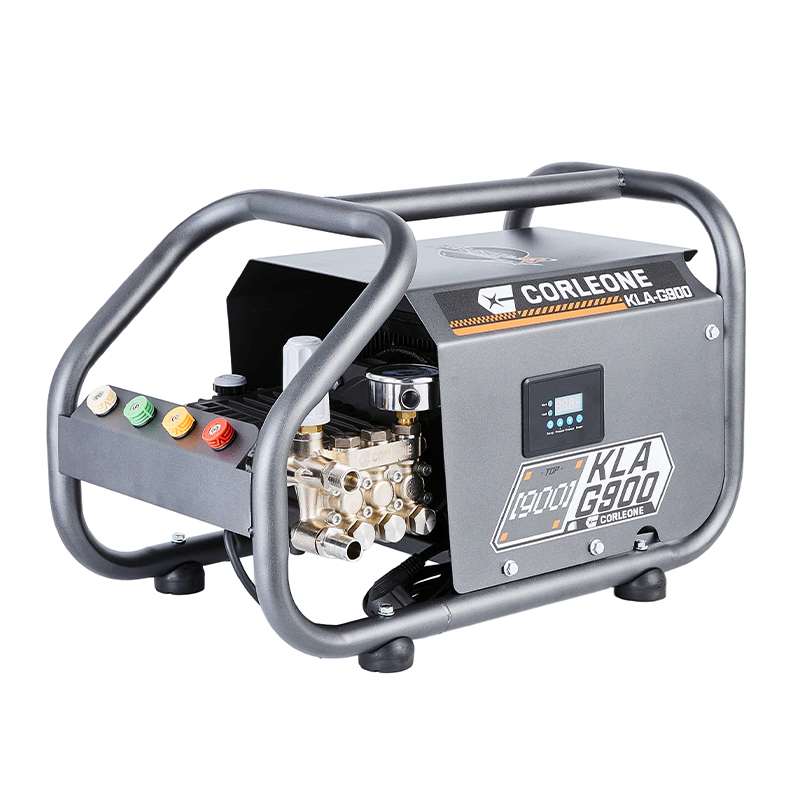
Daily Electric Jet Wash Maintenance for Immediate Longevity
Post-use cleaning, drying, and pump water drainage to prevent mineral buildup and corrosion
After each use, flush the system with clean water for 60 seconds to remove debris and detergent residues. Then fully drain all water from the pump using the manufacturer’s designated drainage ports—this prevents mineral accumulation that degrades internal components over time. Wipe down external surfaces with a dry microfiber cloth, focusing on metal joints and connection points where moisture accelerates corrosion. Store the unit in a dry, well-ventilated area to inhibit mold growth and oxidation. This 5-minute routine directly mitigates the three most common failure modes: calcified valves, corroded pistons, and degraded seals.
Nozzle clearing, hose visual inspection, and electrical safety checks on power cord and connections
Before storage, inspect critical components visually. Clear nozzle orifices using a 0.4mm pin tool to preserve optimal pressure output—clogged nozzles force pumps to work harder and reduce efficiency. Examine hoses for abrasions, kinks, or bulges indicating structural weakness; replace compromised sections immediately. For electrical safety, check the entire power cord for insulation damage and confirm waterproof integrity at motor housing connections. Test the GFCI (Ground Fault Circuit Interrupter) monthly using its integrated test button. These steps significantly reduce repair frequency while maintaining consistent performance and user safety.
Preventative Care for Critical Electric Jet Wash Components
Regular maintenance of essential parts ensures optimal performance and extends the lifespan of your electric jet wash. Neglecting these steps can lead to costly repairs or premature failure.
Inlet filter cleaning/replacement and its direct impact on pump performance and lifespan
The inlet filter protects the pump from debris ingestion—its condition directly affects system reliability. Clean or replace it every 25–50 hours of operation to avoid flow restriction, which causes overheating and inefficiency. A blocked filter increases mechanical strain on the pump, accelerating wear and shortening service life. Rinse the filter thoroughly after each session and inspect for tears or deformation. Consistent care preserves water flow, sustains pressure output, and prevents unnecessary pump stress.
Timely replacement of wear parts: O-rings, seals, and pressure relief valves
O-rings, seals, and pressure relief valves degrade gradually with use. Replace them annually—or after 100 hours of operation—to prevent leaks, pressure loss, or unsafe pressure spikes. Cracked or brittle O-rings invite seepage; failing seals may trigger pump cavitation; and malfunctioning relief valves risk internal component damage under load. Keep spares readily available and inspect during routine maintenance. Proactive replacement minimizes downtime and reinforces operational safety.
Electric Jet Wash Pump Maintenance and System Integrity Checks
Pump-specific care: seal integrity, valve function, flushing protocol, and oil level verification
The pump is the core of your electric jet wash—and warrants focused attention. Inspect seals weekly for signs of wear or leakage; even minor breaches can erode pressure output and allow water intrusion into sensitive areas. Verify valve responsiveness monthly by cycling through pressure settings—if action feels sluggish, mineral deposits or spring fatigue may be present. After every use, flush the pump with clean water for 30 seconds to clear abrasive particles and chemical residue. For oil-lubricated models, check oil levels quarterly via the sight glass and top up only with manufacturer-approved lubricant. Skipping oil maintenance accelerates bearing wear and can cut pump life short by several years. Pair these actions with periodic visual checks for corrosion, unusual noise, or vibration to sustain long-term integrity.
Seasonal Storage and Environmental Protection for Electric Jet Wash Units
Winterization steps: full water drainage, dry storage, and mold/moisture prevention strategies
Winterizing your electric jet wash prevents cold-weather damage and preserves readiness for spring. Begin by completely draining residual water from the pump, hoses, and nozzles—any trapped moisture can expand and crack components when frozen. Store the unit indoors in a dry, temperature-stable environment; avoid damp garages or unheated sheds prone to condensation. Elevate the machine off concrete floors using pallets or a rubber mat to limit moisture transfer and rust formation. To deter mold, wipe accessible internal surfaces with a moisture-displacing spray and cover with a breathable, dust-resistant fabric. These measures protect against corrosion, freezing stress, and microbial growth—ensuring reliable performance season after season.
FAQ
Why is it important to flush the pump after every use?
Flushing the pump removes debris, detergent residues, and abrasive particles, preventing mineral buildup and internal damage over time.
How often should I clean or replace the inlet filter?
The inlet filter should be cleaned or replaced every 25–50 hours of operation to maintain water flow and prevent pump stress.
What is the purpose of checking the nozzle orifices?
Checking and clearing nozzle orifices ensures optimal pressure output. A clogged nozzle can force the pump to work harder, reducing its efficiency and lifespan.
How do I winterize my electric jet wash?
To winterize, drain all water from the pump, hoses, and nozzles, store the unit in a dry, temperature-stable area, and protect it from mold with moisture-displacing sprays and breathable covers.
When should I replace O-rings, seals, and pressure relief valves?
These parts should be replaced annually or after 100 hours of operation to prevent leaks, pressure loss, and other malfunctions.