 EN
EN

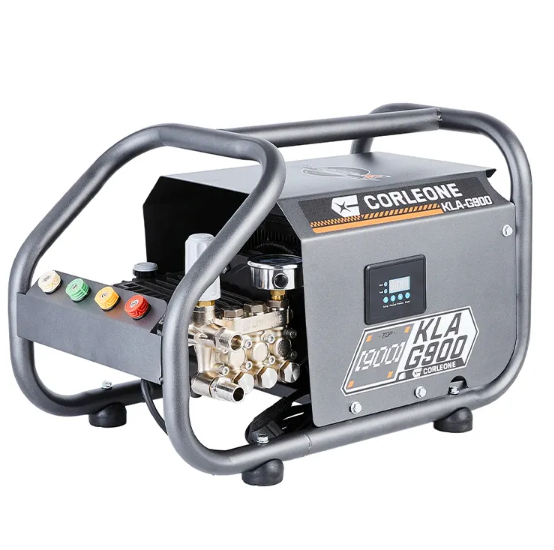
Matching PSI Ratings to Electric Pressure Washer Output
How PSI Ratings Determine Hose Suitability for Electric Pressure Washers
Most electric pressure washers run somewhere around 1,300 to 1,700 PSI according to PBC Pressure Cleaning's latest findings from 2024, which means they need hoses designed specifically for that pressure range. Going overboard with a 2,000 PSI hose on a 1,600 PSI machine just makes things heavier and costs extra money for no good reason. On the flip side, trying to save a few bucks with a 1,200 PSI hose will likely lead to problems down the road since these hoses simply aren't built to handle what the washer throws at them during regular cleaning tasks. When manufacturers design their products, they include safety buffers by making sure the burst pressure rating is about three to four times higher than the actual operating pressure. This helps protect against unexpected spikes. Looking at industry statistics, we find that an alarming 92 percent of all hose failures happen when people push past about 85% of what their hose is rated for over extended periods of time. That's why matching equipment properly matters so much in the long run.
Consequences of Using Under-Rated Hoses in High-Pressure Applications
When hoses don't match properly, they can cut down on cleaning effectiveness somewhere between 18% to maybe even 25%, mostly because energy gets lost where they connect. The bigger problem though happens when someone runs a 1,600 PSI pressure washer with just a 1,300 PSI hose. This mismatch really speeds up the wear and tear on those wire braids inside the hose. What happens? Tiny cracks start forming after about 8 to 12 months of normal use. These little flaws then lead to all sorts of issues like lower pressure output, reduced spray distance from the nozzle, and worst of all, create a real danger of the hose bursting suddenly while in operation. That kind of failure isn't just inconvenient it poses actual safety risks for anyone nearby.
Best Practices for Aligning Hose Pressure Capacity with Equipment Specifications
- Confirm your washer's maximum operating PSI, not just average output
- Choose hoses rated at least 20% above your equipment's maximum PSI
- Use swivel connectors to reduce stress on couplings
- Verify system pressure with a calibrated gauge during initial setup
Quarterly inspections of reinforcement layers and end fittings prevent 78% of avoidable failures in commercial electric pressure washer systems.
Material Durability and Chemical Resistance in Demanding Environments
Comparing Rubber and Polymer Hoses for Long-Term Chemical Exposure
Rubber hoses are pretty flexible and stand up well against wear and tear, which makes them good choices for tough working conditions. But there's a catch when it comes to cleaning chemicals. According to tests done by ASTM International in 2023, rubber actually expands by around 22% after being exposed to chlorine bleach for 500 hours straight. That's way worse than what happens to polyurethane polymer hoses, which only swell less than 8% under similar conditions. On the flip side, while these polymer materials handle strong alkaline cleaners just fine even at pH levels above 12, they tend to get brittle when temps drop below freezing point. When dealing with really harsh chemicals though, many industries have switched to multilayer polymer hoses featuring nitrile liners. These specialized designs last anywhere from three to four times longer than regular rubber versions in factory environments where chemical exposure is constant.
Evaluating 'Chemical-Resistant' Claims: What Labels Do (and Don't) Guarantee
Many "chemical-resistant" labels reference outdated ASTM D543 standards based on just 7-day exposure tests. A 2024 Fluid Power Institute study revealed 68% of such hoses failed extended compatibility trials despite certification. To verify true resistance:
- Look for ASTM G154 UV ratings if used outdoors
- Check specific concentration thresholds (e.g., "resists 10% HCl")
- Confirm temperature limits—degradation rates increase by 300% per 25°F (14°C) above 140°F
Industrial-grade hoses that tolerate less than 15% swelling after 2,000 hours of continuous chemical exposure are best suited for weekly commercial operations.
Reinforcement Design: Wire Braiding and Abrasion Resistance
The Role of Single vs. Double Wire Braiding in Hose Longevity
Hoses made with single wire braid can handle around 3,000 to 3,500 pounds per square inch, which works fine for most light duty electric pressure washers out there. When we need something stronger for industrial jobs though, manufacturers go for double wire braiding that includes an extra helical layer. These reinforced hoses can take well over 4,500 psi, according to recent tests from Parker Hannifin back in 2023. What's interesting is how much longer they last too. The study found these double layered options showed about 42% less wear after running for 500 hours straight compared to their single layer counterparts. The reason? A tighter weave pattern actually reduces friction damage, particularly important when dealing with those pulsating flows that happen so often in electric pressure washer systems.
How Multi-Layer Reinforcement Improves Performance in Electric Pressure Washer Systems
Modern industrial hoses blend steel wire braiding with durable polymer coatings to handle extreme conditions like pressure spikes reaching around 5,800 PSI plus harsh chemicals. The three layer construction includes a special thermoplastic middle layer that cuts down on friction between the metal reinforcement and outside surface by roughly two thirds. This combination actually extends the average lifespan before failure to about 1,200 hours when used continuously, which is nearly double what we see with older style hoses that only have braiding. Manufacturers also incorporate anti twist fibers throughout these layers to stop kinks from forming something that plagues many rotating nozzle applications on factory floors.
Ensuring Operational Efficiency Through Kink Resistance and Flexibility
Impact of Hose Kinking on Water Flow and Cleaning Efficiency
When electric pressure washer hoses get kinked, water flow can drop as much as 40 percent, making cleaning jobs take forever. The pump has to compensate for this loss, so it works overtime. This extra effort means higher electricity bills too, somewhere around 15 to 25% more than normal. Plus, all that strain wears down the seals and connections faster than they should. What often happens next? Many people just crank up the pressure setting to make things better. But this creates problems of its own since most hoses aren't rated for those kinds of pressures. We've seen cases where this leads to burst hoses and serious injuries from flying debris.
Design Trade-Offs: Balancing Flexibility with Structural Rigidity
Modern solutions balance maneuverability and strength through innovative materials and construction:
| Feature | Flexibility Benefit | Structural Reinforcement |
|---|---|---|
| Spiral wire cores | Prevents collapse during bends | Maintains lumen shape under 4,000 PSI |
| Multi-layer polymers | Allows 180° twists without failure | Resists abrasion from concrete surfaces |
| Textured outer jackets | Enhances grip during maneuverability | Reduces surface friction by 60% |
Hybrid designs now pair thermoplastic elastomers for bend memory with double-braided stainless steel to prevent radial expansion. This ensures less than 25% flow restriction even when coiled at 12-inch diameters—a 300% improvement over conventional rubber hoses.
Safety Margins and Risk Mitigation in Commercial and Industrial Use
Engineering Safety Factors: Preventing Hose Bursts and Workplace Hazards
When it comes to electric pressure washer hoses, there's a standard safety margin they need to meet. The general rule is a 3 to 1 ratio between what the hose can burst at versus its normal working pressure. Take a hose rated for 3,000 PSI operation as an example from the Hydraulic Safety Institute (2023) it needs to hold up to around 9,000 PSI before breaking apart in lab tests. This extra capacity helps prevent problems when starting up cold equipment or dealing with unexpected clogs in the system. For those working in more demanding industrial settings where failures could be catastrophic, manufacturers typically bump this safety factor up to 4:1 instead. Makes sense really considering the potential consequences of a hose giving way mid-job.
| Safety Factor | Maximum Operational PSI | Typical Use Case |
|---|---|---|
| 3:1 | 3,000 | Light commercial |
| 4:1 | 7,500 | Industrial |
Since OSHA updated §1910.242(b) in 2022 to mandate these ratios, workplace injuries from hose bursts have declined by 62%. Facilities using under-rated hoses face triple the downtime costs compared to those adhering to engineered safety standards.
Implementing Inspection and Maintenance Protocols for Reliable Operation
Commercial operators should conduct weekly checks for:
- Abrasion near fittings
- Bulges exceeding 5% of diameter
- Fluid seepage at connections
Manufacturers recommend replacing high-pressure hoses every 6–12 months in continuous use, with more frequent replacement (every 3–4 months) for systems exposed to chemicals or sub-40°F conditions. Facilities that document standardized inspection routines report 81% fewer unplanned maintenance events across industrial cleaning operations.
Table of Contents
- Matching PSI Ratings to Electric Pressure Washer Output
- Material Durability and Chemical Resistance in Demanding Environments
- Reinforcement Design: Wire Braiding and Abrasion Resistance
- Ensuring Operational Efficiency Through Kink Resistance and Flexibility
- Safety Margins and Risk Mitigation in Commercial and Industrial Use