 EN
EN

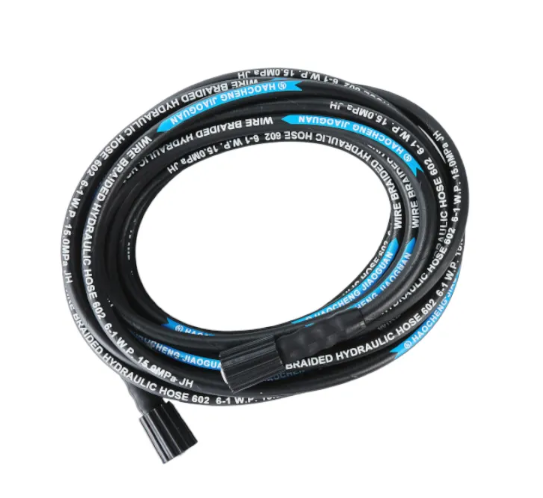
How Pressure Washer Hose Quality Affects Trigger Gun Performance
High-quality pressure washer hoses made with reinforced synthetic rubber reduce pulsation shocks by 62% compared to standard models (Industrial Equipment Journal 2024). This consistent water flow prevents damaging pressure spikes that degrade trigger gun valves and seals. When selecting a hose, prioritize:
- 4-layer wire braiding for burst pressures exceeding 5,000 PSI
- Abrasion-resistant outer covers rated for 180°F+ temperatures
- Swivel connectors that minimize torque strain on gun interfaces
These features ensure stable performance and extend the life of connected components.
Preventing Kinks and Twists That Lead to Fluid Leaks and Seal Integrity Issues
Improper storage causes 83% of premature seal failures in pressure washer guns. To prevent kinks and maintain seal integrity, follow these best practices:
- Use figure-8 coiling instead of tight loops to avoid internal damage
- Store hoses on reel systems with spools of at least 12" diameter
- Apply silicone spray quarterly to preserve flexibility
| Kink Severity | Repair Cost | Downtime Risk |
|---|---|---|
| Minor (<45° bend) | $15 | 1 hour |
| Moderate (90° bend) | $40 | 4 hours |
| Severe (>90° bend) | $120+ | 24+ hours |
Avoiding kinks not only reduces repair costs but also maintains optimal water delivery to the trigger gun.
Matching Hose Length and PSI Ratings to Avoid Overpressurization of the Gun
Using a 50-foot hose on a 4,000 PSI system generates 18% more backpressure than recommended (Fluid Dynamics Report 2023), increasing stress on the trigger gun. Match hose length to your system’s output using this guide:
- Under 2,000 PSI: Up to 100 feet
- 2,000–3,500 PSI: Maximum 75 feet
- 3,500+ PSI: Limit to 50 feet
Always verify the hose rating stamp matches your washer’s maximum PSI. Undersized or overlong hoses force the gun to operate beyond design limits, accelerating wear on piston chambers and safety mechanisms.
Preventing Freeze Damage by Draining Water from Guns and Lances
Why Freezing Water Causes Cracks in Pressure Washer Guns
Water expands by approximately 9% when it freezes (University of Colorado 2022), creating extreme internal pressure that can crack metal lances and housing components. Repeated freeze-thaw cycles make O-rings and rubber seals brittle, leading to leaks and reduced performance. Plastic trigger assemblies are especially vulnerable to sudden failure under such stress.
Step-by-Step Process for Complete Water Evacuation After Use
Follow this 5-stage drainage protocol after each use to prevent freeze-related damage:
- Disconnect all accessories: Remove nozzles, lances, and hoses to fully access internal passages
- Engage trigger: Hold open for 30 seconds to drain residual water from chambers
- Purging maneuver: Blow compressed air (30–40 PSI) through the system using a moisture trap-equipped compressor
- Vertical storage: Hang components upside-down in dry, heated areas to prevent water pooling
- Seasonal preparation: In sub-zero climates, circulate RV-grade antifreeze through the system for 48 hours before winter storage
Manufacturers report 68% fewer cracked housings when full drainage is performed versus partial removal. Combine air purging with monthly silicone spray applications on seals to further reduce winter degradation risks.
Routine Lubrication and Maintenance of O-Rings, Seals, and Connections
Proper care of sealing components prevents leaks and extends the life of both the hose and trigger gun. Nearly 65% of pressure washer leaks stem from degraded o-rings or poorly lubricated connections, highlighting the importance of regular maintenance.
Inspecting and replacing o-rings to prevent leaks and maintain pressure
Inspect o-rings monthly for cracks, flattening, or brittleness due to chemical exposure or friction. Replace damaged seals immediately—delayed repairs can cause up to 30% pressure loss in high-PSI systems. For heavy-use equipment, adopt a preventive 6–12 month replacement schedule to avoid unexpected downtime.
Using rust solvents and lubricating sprays effectively
Apply non-abrasive rust solvents to dissolve mineral buildup on threaded connections without harming elastomers. After cleaning, lightly coat metal surfaces and o-rings with silicone-based spray to reduce wear during operation. Wipe away excess product with a lint-free cloth to prevent debris accumulation.
Choosing between silicone and petroleum-based lubricants: Pros and cons
Silicone lubricants perform well in high-temperature environments (above 200°F/93°C) and do not degrade rubber, making them ideal for hot water pressure washers. Petroleum-based options offer better cold-weather performance but may swell certain polymers—always confirm compatibility with your gun’s housing material before use.
Conducting Component-Level Inspections and Preventive Maintenance
Disassembling and Cleaning the Trigger Mechanism Safely
First things first, let the system lose all pressure before taking off that pressure washer hose. Grab whatever tools the maker suggests for taking apart the trigger housing part. Most folks forget how much gunk builds up around those springs and moving parts over time. Give them a good look and clear out any dirt or grime stuck there. For metal bits showing signs of hard water stains, mix up some white vinegar with water at about one part vinegar to four parts water. Let these soak for about fifteen minutes to break down those mineral deposits, then run a soft nylon brush over them to get rid of what's left behind. And watch out for harsh cleaning products when working on plastic pieces they'll eat right through the material.
Identifying Early Signs of Wear in Springs, Seals, and Housing
According to a recent 2023 equipment maintenance study, around 7 out of 10 pressure washer problems actually start with something simple like worn out springs or damaged seals. When looking at these machines, technicians should check those trigger springs to see if they've lost their usual tension. Also worth checking are the O-rings which might have flattened out or even torn over time. For spotting hairline cracks in the housing area, especially around where things connect, try shining a flashlight right through the plastic material. Any part that moves with more than half a millimeter of play between joints probably needs replacing. Most folks wait until there's visible damage before fixing these issues, but catching them early can save a lot of headaches down the road.
Implementing a 14-Step Pressure Washer Inspection Checklist
Adopt this quarterly inspection protocol to catch issues early:
| Step | Component | Acceptance Criteria |
|---|---|---|
| 1 | Trigger valve | Smooth actuation without sticking |
| 2 | Hose fittings | Zero leaks at 150% of working PSI |
| 3 | Safety lock | Engages with audible click |
| 4 | Nozzle orifice | No erosion beyond 5% diameter increase |
Systems following structured checklists experience 62% fewer seal failures than those relying on reactive maintenance. Regular inspections ensure long-term reliability and peak performance.
Table of Contents
- How Pressure Washer Hose Quality Affects Trigger Gun Performance
-
Preventing Freeze Damage by Draining Water from Guns and Lances
- Why Freezing Water Causes Cracks in Pressure Washer Guns
- Step-by-Step Process for Complete Water Evacuation After Use
- Routine Lubrication and Maintenance of O-Rings, Seals, and Connections
- Inspecting and replacing o-rings to prevent leaks and maintain pressure
- Using rust solvents and lubricating sprays effectively
- Choosing between silicone and petroleum-based lubricants: Pros and cons
- Conducting Component-Level Inspections and Preventive Maintenance