 EN
EN

Understanding Warehouse Cleaning Challenges and Hygiene Demands
Cleaning warehouses is no small task given the massive floor space, constant movement of heavy equipment, and all the grease, oil stains, and dust buildup that accumulates over time. According to OSHA guidelines from 2023, these facilities actually need to maintain three times higher cleanliness standards compared to regular commercial buildings because dirt and grime can pose serious safety hazards for workers and even ruin delicate stored goods. Old school cleaning approaches with just mops and brooms simply don't cut it for such large scale messes. When done wrong, leftover residue creates dangerous conditions too many warehouse managers overlook. The National Floor Safety Institute found that poor cleaning practices contribute to a staggering 42 percent rise in slip and fall accidents across industrial settings.
How Commercial Pressure Washers Meet Large-Scale Hard Floor Cleaner Needs
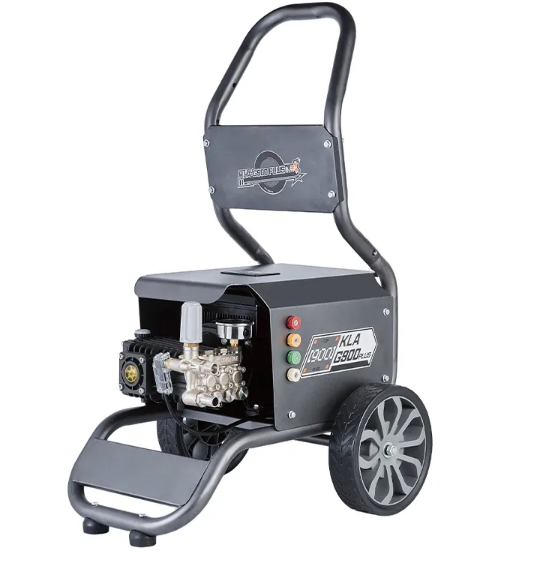
Industrial pressure washers tackle these cleaning problems by adjusting their PSI (pounds per square inch) settings along with GPM (gallons per minute) output. When set between 3,000 to around 5,000 PSI, these machines can blast away stubborn dirt stuck in concrete floors and epoxy surfaces without damaging them. At the same time, getting somewhere between 4 and 8 gallons flowing every minute lets workers cover massive areas quickly sometimes over 10,000 square feet in just one hour's work. Facilities that deal with all sorts of messes find this kind of power really useful for places where pallets get tracked across the floor, after accidents involving chemicals spill everywhere, or even on shop floors full of cars parts needing regular cleaning.
Pressure Washing vs. Manual Scrubbing and Chemical Cleaners: A Performance Comparison
| Metric | Pressure Washing | Manual Scrubbing | Chemical Cleaners |
|---|---|---|---|
| Cleaning Speed | 8,000 sq ft/hour | 500 sq ft/hour | 1,200 sq ft/hour |
| Water Consumption | 4-8 gallons/minute | 15-20 gallons/minute | 10-15 gallons/minute |
| Labor Hours/10k sq ft | 1.25 | 20 | 8.3 |
Data from ISSA’s 2023 Facility Maintenance Report shows pressure washing reduces cleaning costs by 67% compared to manual methods. Unlike chemical-dependent approaches, pressure systems eliminate residue buildup linked to 31% of warehouse equipment malfunctions (Material Handling Institute 2023).
Measuring Cleaning Speed and Efficiency of Industrial Pressure Washers
Key Metrics: PSI, GPM, and Coverage Rate in Warehouse Cleaning
Industrial pressure washers combine three critical measurements to optimize hard floor cleaner performance:
- PSI (Pounds per Square Inch): Determines the force needed to dislodge debris (1,800-2,000 PSI ideal for most hard floors)
- GPM (Gallons per Minute): Dictates how quickly water flows to rinse surfaces (higher GPM = faster coverage)
- Cleaning Units (CU): Calculated as PSI × GPM, this metric quantifies total cleaning power, with 2,500-4,000 CU being optimal for warehouse environments
Data-Backed Efficiency: Pressure Washers Clean 5x Faster (OSHA & ISSA Benchmarks)
OSHA and ISSA research shows industrial-grade systems clean 5x faster than manual methods, completing 10,000 sq. ft. in 2 hours versus 10+ hours with scrubbers. High GPM models achieve up to 30% faster drying times by efficiently flushing contaminants, reducing post-cleaning safety risks.
Balancing High Pressure With Surface Safety in Industrial Environments
While 3,000+ PSI units excel at removing oil stains from concrete, modern systems allow adjustable pressure settings to prevent damage to sensitive surfaces like epoxy-coated floors. Thermal controls in advanced hard floor cleaner systems automatically reduce pressure when temperatures exceed material tolerance thresholds.
Real-World Productivity Gains From Reduced Cleaning Cycles
A Midwest fulfillment center documented a 72% reduction in nightly cleaning time after switching to 2.8 GPM pressure washers, reclaiming 420 annual operational hours. This efficiency gain translates to $18,000/yr labor savings while maintaining stricter hygiene compliance compared to traditional methods.
Operational Benefits: Safety, Downtime Reduction, and Cost Savings
Cutting downtime and labor costs with rapid hard floor cleaner maintenance
Businesses that switch to commercial pressure washers typically see their cleaning times drop between half to three quarters compared with old fashioned hand cleaning methods. This translates into real money saved on labor costs around $18 to maybe even $24 every hour for each person working (according to OSHA stats from 2023). Take a mid sized warehouse operation for example these kinds of savings can add up to somewhere between 3k and almost 5k dollars a month just on labor alone. When looking at industrial strength units operating in the 3000 to 4000 psi range, they clean away stuck on grime and dirt roughly eight times quicker than regular scrubbing equipment does. Plus these machines actually consume about forty percent less water during operation which means less time spent waiting for things to dry and significantly lower water bills overall.
Case Study: Distribution center reduces cleaning time by 60%
A leading logistics operator implemented high-temperature pressure washing systems across their 800,000 sq ft facility, achieving:
| Metric | Before | After |
|---|---|---|
| Daily cleaning time | 5.2h | 2.1h |
| Water consumption | 450gal | 160gal |
| Slip-related incidents | 11/mo | 2/mo |
This $140,000 investment paid back in 14 months through reduced overtime and workers' compensation claims.
Improving worker safety by eliminating slips and enhancing visibility
Pressure washing removes 94% of oil residues versus 67% with manual methods (National Safety Council 2022), significantly reducing slip hazards that account for 25% of warehouse injuries. The process also clears dust clouds that obscure safety signage and rack labels, decreasing collision risks during cleaning operations by 42% in controlled studies.
Boosting morale and productivity through consistently clean facilities
Warehouses with scheduled pressure washing programs report 31% higher employee satisfaction scores in air quality surveys (Facility Management Institute 2023). Workers complete tasks 12-18% faster in debris-free environments according to time-motion analyses, with 79% less equipment downtime caused by wheeled carts jammed on contaminated floors.
Future Trends in High-Performance Warehouse Cleaning Technology
Growing Adoption of Industrial Pressure Washers in Logistics and Warehousing
Global sales of heavy duty pressure washers are expected to climb around 8.2 percent each year until 2027 according to Market Research Future data from last year. Logistics centers are increasingly looking for machines that can tackle large areas quickly without compromising on floor cleanliness. As wages keep going up and health regulations get stricter, businesses are turning to these systems faster than before. This trend is most noticeable in massive warehouses over half a million square feet where traditional cleaning methods just don't make financial sense anymore due to all the manpower required.
Eco-Friendly Systems and Water-Efficient Pressure Washing Innovations
Modern pressure washer systems now reduce water consumption by 35-40% compared to decade-old models (Water Sustainability Index 2023), addressing environmental concerns and rising utility expenses. Advanced nozzle designs and variable-pressure controls minimize overspray while effectively stripping grime from concrete, and biodegradable detergents ensure compliance with EPA guidelines for industrial runoff.
Automation and Smart Integration: The Next Generation of Pressure Washer Systems
Leading manufacturers now embed IoT sensors into commercial-grade pressure washers, enabling:
- Predictive maintenance alerts that reduce equipment downtime by 27% (Industrial IoT Trends Report 2024)
- Automated chemical dosing based on real-time soil detection
- Fleet management integration for multi-bay warehouse coordination
These systems sync with facility management software to optimize cleaning schedules during low-traffic periods, cutting energy use by 18% without compromising floor hygiene.