 EN
EN

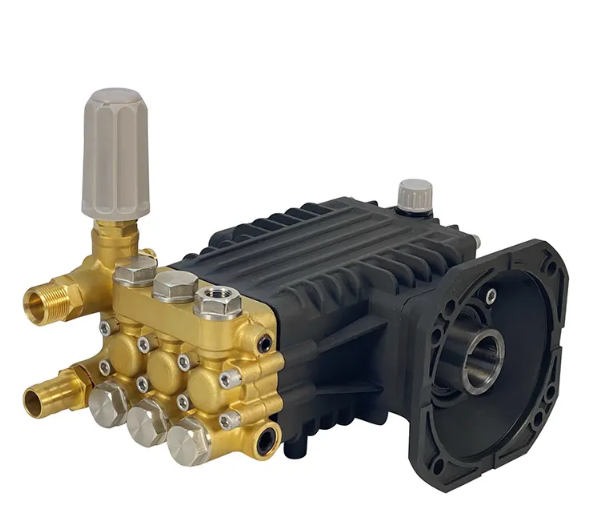
Match Pump Type to Application Demand: Axial vs. Triplex Pressure Washer Pumps
Why axial cam pumps fail prematurely in commercial settings
Axial cam pressure washer pumps work best for light duty jobs that don't last long, not really built for all day commercial cleaning tasks. The wobble plate inside these pumps spins at around 3,400 to 3,600 RPMs which creates quite a bit of heat and friction when running continuously. What happens is the stress gets focused on just one piston at a time, causing those seals, bearings, and valves to wear out much faster than normal. Most of these pumps are made mostly out of aluminum too, so when they come into contact with harsh chemicals, acidic solutions, or even seawater (which happens a lot in industrial settings), corrosion becomes a big problem. In practice, axial pumps usually last between 60 and 100 hours of actual daily use before needing to be replaced completely. Commercial operators face serious issues with these pumps including constant downtime and repair bills that can cost three times what similar triplex models would require. Plus, they simply cannot maintain pressures over 2,000 PSI consistently.
How triplex plunger pumps deliver 2,000+ PSI reliability and continuous-duty longevity
Designed specifically for tough commercial and industrial applications, triplex plunger pumps stand out from standard equipment. With three plungers made of either ceramic or stainless steel, these pumps spread the hydraulic load across all components. They run at much slower speeds between 1,000 and 1,750 RPM, which means they generate about 40% less heat than similar axial pump designs. This cooling advantage allows them to work continuously throughout an entire 8 hour shift without showing signs of wear or loss in performance. What makes these pumps so durable? Look no further than their construction details like hardened stainless steel crankshafts, pump heads crafted from brass or nickel alloys, comprehensive oil bath lubrication systems, and valves that can be serviced right on site without needing complete disassembly. All these thoughtful design elements combine to create machines that last well beyond 3,000 operating hours while still delivering consistent pressure over 2,000 PSI. Plus, their efficient mechanics cut down power usage by around 15% during each cleaning cycle, making them a smart investment choice for facilities looking to reduce both maintenance costs and energy bills over time.
Ensure Technical Compatibility to Avoid Costly Fitment Failures
Critical fitment parameters: shaft orientation, bolt pattern, RPM, rotation, and mounting interface
Getting pumps to work properly together depends heavily on good mechanical alignment beyond just making sure parts physically fit together. When the shafts aren't aligned right, bearings get out of whack and fail sooner than they should. Wrong bolt patterns lead to vibrations that eventually create seal leaks and warp pump housings over time. RPM issues are another big problem area. If the pump runs too fast, it causes cavitation problems and overheating. Run it too slow and the system loses both flow rate and pressure capability. The rotation direction matters too - getting clockwise versus counterclockwise wrong can mess up internal oil circulation or even cause dangerous cavitation inside the pump. Thermal expansion is something else technicians need to watch closely when mounting pumps, particularly important in hot environments where equipment cycles frequently. According to industry reports, about 38% of early pump failures come down to poor fitment issues, costing businesses around $450 every hour when unexpected breakdowns happen during commercial cleaning jobs. Checking all these key factors before putting a pump into service helps avoid blown seals, seized bearings, and other expensive damage down the road.
Evaluate Total Cost of Ownership—Not Just Upfront Price
Labor, downtime, and MTBF impact: Why commercial operators prioritize reliability over pump cost
For commercial operators, choosing the right pump isn't just another item on a shopping list—it's a strategic investment for years ahead. When pumps break down unexpectedly, fixing them typically takes anywhere from 2 to 3 hours of technician work at around $120 per hour, not counting travel time or inflated part prices, which can sometimes cost even more than buying a new pump altogether. The bigger issue though? Downtime equals lost money. Industrial cleaning companies report losing over $500 every single hour their equipment breaks down while they're still under contract according to Facility Management Journal last year. Pump problems don't stop there either. Thermal imaging research indicates that nearly 4 out of 10 motor failures actually start because pumps seize up and create extra strain on the system. Smart operators look at something called MTBF, or Mean Time Between Failures, when making decisions. Triplex plunger pumps rated at 4,000 hours between failures cut replacement expenses by almost two thirds compared to older axial cam designs. And it makes all the difference for keeping clients happy too. Fleets that manage to keep unplanned downtime below 3% tend to get about 22% more service contracts renewed each year. Any good total cost of ownership calculation needs to consider these factors carefully.
- Recurring labor and parts costs across expected service intervals
- Revenue loss per downtime hour — projected annual failure rate
- Warranty validity (voided by incompatible components or improper installation)
- Residual equipment value after 5-year ownership cycles
Savvy operators recognize that a $200 upfront premium for a triplex pump saves $2,400+ in TCO over three years—making reliability the most cost-effective specification.
Diagnose Failure Early and Replace at the Optimal Time
Pressure decay testing and thermal imaging to isolate pressure washer pump failure from system issues
Getting an early and accurate diagnosis really helps prevent those costly replacements and keeps operations running smoothly. When we talk about pressure decay testing, what we're basically doing is measuring how much the PSI drops over a set period. This tells us if there are internal leaks coming from things like worn out seals, cracked valves, or even eroded plungers inside the equipment. If we see a steady decline when everything else is stable, that usually means the pump itself is wearing down rather than something simple like a leaky hose or blocked nozzle causing the problem. Thermal imaging adds another layer to this diagnostic process. It can pick up unusual heat patterns in bearings, crankcases, or around plunger housings sometimes as much as two to three days before something actually breaks down completely. These tests help technicians tell the difference between problems specific to the pump versus bigger system issues like faulty unloader valves or restricted inlets. Finding problems ahead of time means parts can be replaced during regular maintenance periods instead of dealing with expensive emergency repairs (those labor costs are typically triple what they should be). Plus, this proactive approach doesn't just save money in the short term. It also helps extend how long equipment lasts, keeps warranties valid, and ensures companies meet their contractual obligations for uptime.