 EN
EN

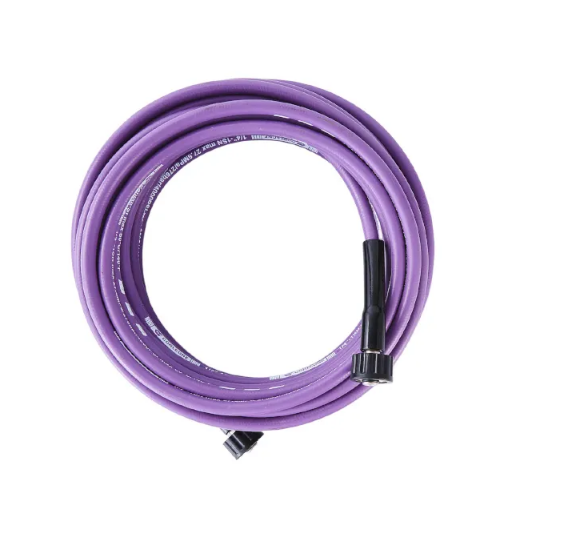
Car Cleaner Jet Fundamentals: PSI, GPM, and Vehicle-Safe Operation
Why Proper PSI (600–1800) and GPM (1.2–2.0) Prevent Damage While Ensuring Cleaning Power
Getting good results from a car wash jet depends heavily on finding the right balance between pressure (PSI) and water flow (GPM). According to studies by groups like the International Detailing Association and EPA guidelines on water usage, going over 1,800 PSI can actually strip paint, erode clear coats, and damage rubber seals. On the flip side, anything under 600 PSI usually doesn't cut through stubborn road grime or brake dust effectively. Water flow matters too. When GPM drops below 1.2, rinsing takes forever and eats into labor budgets. But pushing past 2.0 GPM just wastes water without any real improvement in cleaning power. Most detailers find that sticking within the 600 to 1800 PSI range combined with 1.2 to 2.0 GPM gives clean, streak-free results whether working on factory finishes, ceramic coatings, or those tricky vinyl wraps that seem to attract every speck of dirt around town.
| Pressure Level | PSI Range | GPM Range | Outcome |
|---|---|---|---|
| Insufficient | <600 PSI | <1.2 GPM | Incomplete cleaning |
| Ideal | 600–1800 PSI | 1.2–2.0 GPM | Safe & effective |
| Hazardous | >1800 PSI | >2.0 GPM | Paint/structure damage |
Modern car cleaner jets incorporate precision-engineered pressure regulators and multi-angle nozzles to maintain this balance—enabling detailers to adapt safely across body panels, wheels, trim, and undercarriages without manual recalibration.
How a Dedicated Car Cleaner Jet Differs from Industrial Pressure Washers in Design and Safety
Car cleaner jets are purpose-built for automotive surfaces—not repurposed industrial tools. Three core design distinctions ensure safety and finish integrity:
- Pressure Regulation: Built-in electronic or mechanical limiters cap output at 1,800 PSI, unlike industrial units (often 2,500–4,000+ PSI) designed for concrete, masonry, or heavy equipment.
- Nozzle Engineering: Wider spray angles (40°–65°) distribute force evenly—reducing point-load stress on paint, rubber, and composite materials. Industrial nozzles (0°–25°) concentrate energy dangerously near sensitive edges and seams.
- Electrical & Material Safety: Non-conductive housings, GFCI-protected circuits, and sealed motor compartments eliminate shock risk during wet-operation near EV charging ports, sensors, or grounded chassis.
These features reflect decades of collaboration between automotive chemists, surface engineers, and professional detailers—making dedicated car cleaner jets the only viable choice for repeatable, warranty-safe cleaning.
Vehicle-Specific Car Cleaner Jet Wash Protocols
Sedans & Hatchbacks: Low-Pressure Pre-Rinse + Foam Activation for Delicate Paint Protection
Start off with a 40 degree fan nozzle set around 800 psi, keeping about an 18 inch gap between the surface and the nozzle tip. This helps get rid of loose stuff without creating those tiny swirl marks nobody wants. Right after that comes the high suds foam cannon solution which actually breaks down dirt and grime pretty quick, usually takes about 3 to 5 minutes for everything to mix together properly. The good thing is it won't mess up those factory applied clear coats or damage any hydrophobic treatments either. When rinsing, go slow with a low gpm setting around 1.4 gallons per minute, working from top down across hoods, roofs, and trunk areas to cut down on water spots forming. Don't hang out too long on flat surfaces or in those hard to reach corners where minerals tend to build up over time.
SUVs & Trucks: Strategic Nozzle Distance, Angle, and Undercarriage Mode for Heavy-Duty Grime Removal
For textured surfaces like cladding, wheel wells, and bed liners, switch out to that 25 degree nozzle running at around 1400 pounds per square inch. Keep the spray at about 45 degrees so it agitates the surface properly without blasting those sensitive areas like rubber seals or plastic fender flares too hard. When working underneath the vehicle, set things up for undercarriage cleaning, keeping the nozzle between 12 to 24 inches away from parts while maintaining pressure somewhere between 1000 and 1200 psi. This helps wash away all that nasty salt residue, mud, and general road dirt stuck in suspension components and along the frame rails. The trick is alternating between turbo mode which rotates the stream and the wider fan setting. Turbo works great for knocking off tough buildup around hood seams and those stubborn spots near tailgate hinges. Then switch back to a 40 degree rinse pattern to avoid getting water where it doesn't belong like cabin air intakes or brake calipers. A little trial and error goes a long way here.
Electric Vehicles (EVs): Sensor-Aware Zones, Charging Port Safety, and Non-Conductive Rinse Best Practices
Keep high pressure water jets at least 8 inches away from LiDAR systems, front and rear cameras, those little ultrasonic parking sensors, and all the radar equipment. These parts get factory calibrated down to fractions of a millimeter, so even a strong spray could knock them out of alignment. Before starting any wash routine, make sure charging ports are properly sealed with the silicone covers recommended by the manufacturer. When cleaning areas close to batteries and electronic components, always finish with either deionized water or what comes out of a reverse osmosis filter system. This helps stop that pesky conductive residue from building up over time. For door handles, sensor mounts, and those tricky frunk or trunk latches, use gentle sweeping motions with the pressure washer set around 700 psi and flowing about 1.3 gallons per minute. Never point the nozzle straight at any sensor lens surface. Wrap things up by drying everything down with special microfiber cloths designed to dissipate static electricity. And absolutely skip using compressed air anywhere near sensitive electronics or inside the vehicle's cooling ductwork.
Maximizing Efficiency with Your Car Cleaner Jet in Mobile or B2B Operations
Getting the car cleaner jet workflow right makes a real difference when it comes to making money, staying compliant with regulations, and keeping customers happy no matter if someone works out of a van or runs multiple bays at a shop. When doing mobile detailing jobs, focus on mounting bigger water tanks around 50 gallons or more onto vehicles, grabbing those small but powerful inverter generators, and investing in good quality portable reclaim mats. These choices save time getting everything set up and help avoid problems with local water runoff rules. Shops that serve other businesses stand to gain a lot from installing closed loop filtration systems. According to recent industry reports from ICRT back in 2023, these systems can slash water usage by about 40 percent. Plus they support green building certifications like LEED and ultimately lower monthly utility bills for operators looking to balance environmental responsibility with bottom line concerns.
| Efficiency Factor | Mobile Detailing | B2B Facility |
|---|---|---|
| Water Consumption | 15–20 gal/vehicle | 8–12 gal/vehicle |
| Avg. Service Time | 45–60 minutes | 25–35 minutes |
| Critical Equipment | Portable reclaim mats | Closed-loop filtration |
Getting technicians on the same page about nozzle sequencing makes a big difference. Start every wash cycle with a 40 degree pre rinse first, then switch to 25 degrees when focusing on specific areas that need extra attention. Finish things off with either a 40 or 65 degree low pressure rinse depending on what works best for each vehicle type. We've seen this approach cut down on overspray problems by roughly 30 percent while keeping chemicals working consistently across different surfaces. Fleet operators should consider setting up bulk detergent mixing stations at their facilities. These can really help bring down chemical expenses per car washed, saving about 22% each year when done right. And don't forget regular maintenance checks. Technicians should look at those pressure gauges regularly and schedule repairs during slow times at the shop. This prevents unexpected breakdowns and keeps those pumps running longer than they otherwise would.