 EN
EN

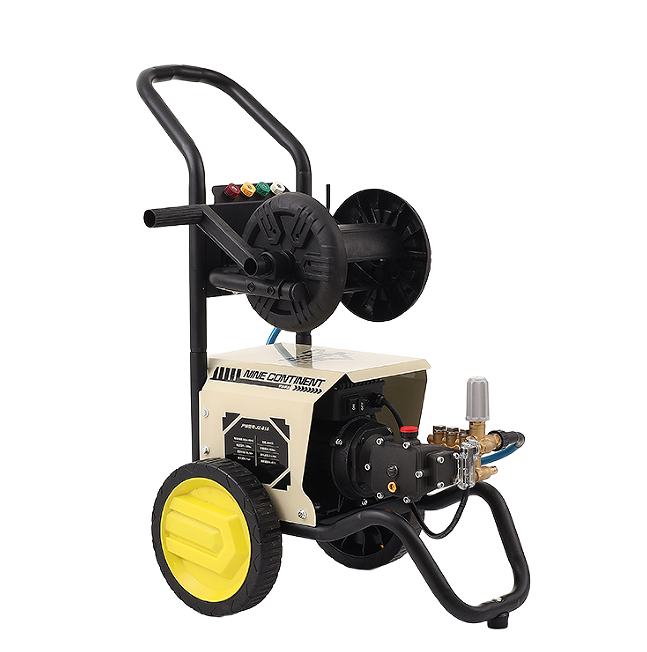
Understanding Pressure Washer Surface Cleaners: Components and Functionality
Core Components of a Pressure Washer Surface Cleaner
Pressure washer surface cleaners are made up of three main parts: a protective deck cover, spinning spray bars, and specialized nozzles. The deck acts as protection from splashing water and helps contain where the water goes when the machine is running. Underneath this deck sit stainless steel spray bars that spin thanks to the water pressure itself. Most models come with around 2 to 4 nozzles attached to these bars which overlap their spray coverage for better results. Brass or ceramic materials make up these nozzles, and they spread water at angles ranging from about 15 degrees to 25 degrees. This affects both how wide the area gets cleaned and how strong the cleaning force is. Connecting the cleaner to a pressure washer happens through a special quick connect joint that allows the whole thing to move freely in all directions without getting tangled hoses everywhere.
How High-Pressure Flow Impacts Performance and Wear
When high pressure water between 1500 and 4000 PSI spins those spray bars around, there's always a tradeoff. Too much force just wears things down faster than they should. Take 3000 PSI for instance water actually moves through those nozzles at speeds exceeding 200 miles per hour. That kind of speed creates serious abrasion inside the nozzles themselves. Over time this wears away at the openings, expanding them roughly 0.1 millimeters each year which cuts down on the actual impact force by somewhere around 15%. What happens next? The whole system gets stressed out, especially those swivel joints. We've seen seal failures become pretty common when this occurs, along with about a third drop in what pressure actually makes it through the system. On the flip side, if pressure drops below 1800 PSI, the rotation becomes all over the place. The result? Streaky surfaces and patches where dirt sticks around because the cleaning wasn't consistent enough. Want to keep things running smoothly while getting good results? Stick close to what the manufacturer recommends for PSI ratings. Finding that sweet spot balances how hard it cleans against how long the machine will last before needing repairs.
Daily and Post-Use Maintenance for Long-Term Reliability
Effective Cleaning and Debris Removal After Each Use
It's really important to rinse off the surface cleaner right away with some low pressure water to get rid of those abrasive particles and leftover chemicals. Pay special attention to the bottom part since that's where all the dirt tends to gather. For tough spots, grab a soft brush and give them a good going over. When we skip this step, the stuff left behind gets hardened in place, which creates extra friction and can cut down how long our equipment lasts by around 30%. The main things to remember are these simple actions that keep everything running smoothly for longer periods of time.
- Flushing detergent reservoirs to prevent corrosion
- Clearing grass clippings or gravel from rotating skirts
- Drying moving joints to inhibit rust
Inspecting Spray Bars and Nozzles for Early Signs of Wear
Keeping an eye on those spray bars and nozzles makes all the difference when it comes to getting things clean properly. When putting them away after a job, take a moment to look closely at the nozzles under good lighting conditions. Sometimes tiny cracks form or the openings get worn down over time, particularly if working with equipment running at pressures above 2,500 PSI. If the water isn't spraying evenly across the surface, that's usually a sign something needs replacing soon. Mineral deposits tend to build up inside these components too, which not only blocks the water flow but puts extra stress on the pumps as well. Before diving into the actual inspection steps, here's what to watch out for during routine checks:
| Inspection Focus | Acceptable Condition | Action Required |
|---|---|---|
| Nozzle Orifice | Perfectly circular | Replace if ovalized |
| Spray Bar Surface | Smooth finish | Polish if pitted |
| Connection Threads | Clean, undamaged | Re-tap if stripped |
Detecting a 0.5mm orifice enlargement early can prevent a 22% drop in efficiency. Rotate nozzles monthly to ensure even wear across all ports.
Critical Lubrication and Nozzle Care for Smooth Operation
Maintaining Swivel Joints and Cartridge Seals with Proper Lubrication
Regular application of marine grade lithium grease to swivel joints about once every three months helps prevent those annoying metal against metal scrapes that cause so much wear over time. Some studies suggest this simple step can cut down wear issues by nearly 90%. Pay special attention to cartridge seals and pivot points since these spots tend to collect all sorts of dirt and grime. Keeping these parts well lubricated really slows down corrosion and keeps everything turning smoothly when needed. For monthly checks, grab a good magnifying glass and look closely at the seals for tiny cracks, signs they're getting too hard, or any odd shapes that shouldn't be there. If anything looks off compared to what the manufacturer says is acceptable, it's time for replacement. Maintenance records from various industries show that around one third of early seal failures in pressure washer components come down to poor lubrication practices.
Nozzle Unclogging and Flow Stability Techniques
When nozzles get clogged, they can really cut down on cleaning efficiency somewhere between 15% and 40%. A good habit after every use is soaking those brass nozzles in a mix of equal parts white vinegar and water for about twenty minutes. This helps break down all those mineral deposits that build up over time. For getting rid of debris, reach for some plastic picks instead of metal ones because metal will just scratch up those tiny openings in the nozzles. If things are still blocked despite this, ultrasonic cleaners actually work pretty well in practice tests, restoring around 98% of normal flow accuracy. Keep an eye on how the spray looks each week too. If the fan pattern starts looking uneven or patchy, that's usually a sign the nozzle is wearing out. To keep everything flowing smoothly, make sure to filter incoming water down to 100 microns. This stops little particles from causing turbulence inside the system which messes with performance.
Proper Storage and Environmental Protection
Best Storage Practices to Prevent Corrosion and Damage
After cleaning surfaces, always put away the equipment somewhere dry and protected from the elements. Leftover water sitting around will cause metal components to rust over time, particularly bad news if stored in damp areas like basements or garages during rainy seasons. Make sure to empty every last drop from those spray nozzles and connecting hoses before putting them away, otherwise freezing temperatures can crack plastic fittings and ruin expensive parts. A good idea is hanging the machine upright against a wall or setting it on some sort of shelf off the floor so condensation doesn't collect underneath. Covering the whole thing with something like burlap sacks works wonders for keeping out dirt particles while still letting air circulate through the covering material. Industrial facilities report seeing about half as much corrosion when they follow these basic storage guidelines consistently throughout their maintenance routines.
Choosing Durable Materials for Harsh Weather and Frequent Use
In areas where there's lots of salt air or humidity, it makes sense to go for equipment featuring stainless steel swivel joints along with brass nozzles since these components stand up better against rust and corrosion over time. The housing material matters too - polymer options generally handle UV exposure much better than regular plastic when left outside for extended periods. Speaking of tough conditions, anyone dealing with rough surfaces such as concrete or gravel should look closely at machines equipped with those extra tough, wear-resistant seals. Good quality construction really pays off in the long run. These materials hold up through all sorts of temperature changes and constant usage without falling apart prematurely, which means the whole system lasts longer before needing replacement.