 EN
EN

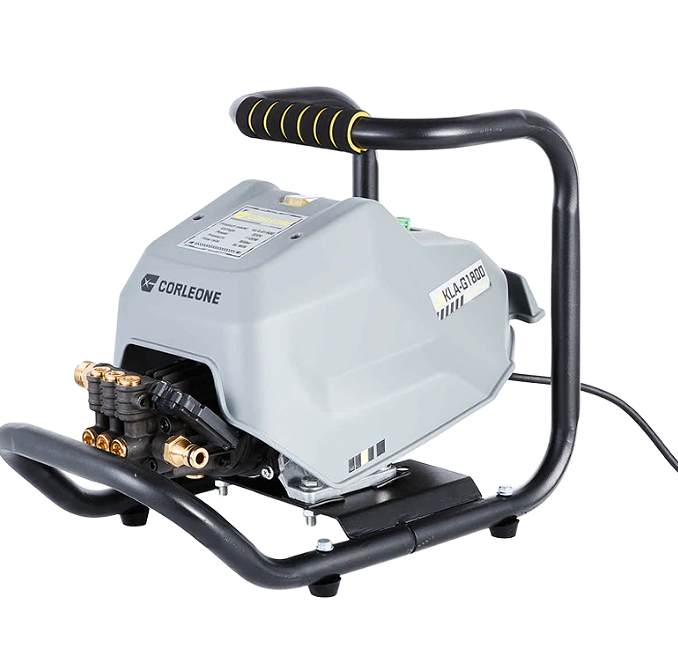
Optimal PSI and GPM for Safe, High-Efficiency Car Cleaning
The Ideal PSI Range (1200–1900 PSI) to Prevent Paint Damage
Getting the pressure right makes all the difference when it comes to avoiding expensive repairs and getting things really clean. Research shows that going over 1,900 PSI can actually strip away those protective clear coats, wax layers, and even damage original factory finishes on vehicles. When dealing with sensitive surfaces such as vintage cars or newer models with clear coat protection, sticking around 1,200 to 1,400 PSI works best. Most everyday cars that just need a regular wash handle well between 1,400 and 1,600 PSI. Trucks covered in road grime can take a bit more abuse at 1,600 to almost 1,900 PSI. But watch out what happens when pressure gets too high - water starts pushing through seals which can lead to serious problems for electrical components inside the vehicle.
How GPM Affects Rinse Speed and Detergent Activation
Gallons per minute (GPM) dictates rinsing efficiency and chemical effectiveness. Key considerations:
- 1.2–1.6 GPM: Ideal for passenger vehicles, balancing water conservation and soap removal
- 1.6–2.1 GPM: Accelerates rinsing for SUVs or commercial fleets
- Adjustable flow: Enables precise detergent application and gentle surface treatment
Higher flow rates reduce scrubbing time by 40% but increase water usage.
Using Cleaning Units (CU = PSI × GPM) to Compare Performance
Cleaning Units (CU) objectively measure system effectiveness. Consider these automotive-specific benchmarks:
| PSI Range | GPM Range | CU Range | Best For |
|---|---|---|---|
| 1,200–1,400 | 1.2–1.4 | 1,440–1,960 | Delicate paints, luxury cars |
| 1,500–1,700 | 1.5–1.8 | 2,250–3,060 | Daily drivers, moderate grime |
| 1,800–1,900 | 1.8–2.0 | 3,240–3,800 | Work trucks, caked-on mud |
A 1,500 PSI/2.0 GPM unit (3,000 CU) outperforms a 2,000 PSI/1.2 GPM model (2,400 CU) for most vehicles. Prioritize CU over peak PSI alone for paint-safe results.
Essential Attachments: Surface Cleaners, Nozzles, and Foam Cannons
Rotary Surface Cleaners for Streak-Free, Paint-Safe Washing
The rotary surface cleaner really stands out for delivering shop-quality cleaning while keeping those precious vehicle finishes intact. What makes them so effective? Those dual spinning nozzles spread water across car surfaces in a way that just doesn't create those annoying pressure spots which lead to swirl marks. The angle of the spray matters too - at around 40 degrees, it gets grime off without scratching anything. Mechanics who've switched over are seeing their wash cycles cut down by about 30% compared to regular garden hose attachments. And here's the kicker: they can maintain that same level of care even when running through dozens of cars all day long without worrying about damaging the paint job.
Nozzle Selection for Wheels, Trim, and Undercarriage Detailing
Strategic nozzle choices enable precision cleaning across different vehicle zones:
- Wheels/tires: 15-degree nozzles remove brake dust from alloy surfaces without etching
- Sensitive trim: 65-degree wide-fan patterns safely clean rubber seals and plastic cladding
- Undercarriage: Turbo rotating nozzles penetrate frame rails while resisting kickback
This targeted approach prevents water intrusion in electrical components and delivers thorough results 50% faster than single-nozzle methods.
Foam Cannon Performance and Detergent Integration
The best high output foam cannons produce those really thick, sticky bubbles that actually work on getting rid of road grime. Good quality units let users adjust how much soap mixes with water, usually somewhere between 1 part soap to 10 or even 20 parts water. They need decent flow rates too around 5 gallons per minute at minimum so the whole car gets covered properly. Most come equipped with filters that stop clogging issues which helps keep the foam coming out consistently throughout the wash. Some top end models make what's called microfoam that sticks around on vertical surfaces for about 8 to 10 minutes before being rinsed off. This gives time for dirt and grease to break down naturally. Car detailers who have been in the business for years report needing to scrub by hand roughly 40 percent less when using these kinds of systems compared to just applying soap directly onto the surface.
Power Source and Portability: Electric vs. Gas for Professional Workflows
Electric Units for Shop Use: Quiet, Clean, and Consistent Operation
Electric pressure washers work really well in places where conditions are stable, such as car detail shops. These machines run almost silently so they don't cause headaches for people nearby in city areas or inside buildings. No fumes means there's no need to worry about air quality when using them indoors. Plus, they deliver steady power throughout the job, which leads to better results since there aren't those sudden pressure jumps that can ruin paint jobs. Most modern electric units come equipped with thermal safeguards that kick in before things get too hot after long periods of use. Shops that have reliable electrical connections often find that going electric cuts down on repair bills significantly over time. Some estimates suggest savings around 40 percent versus traditional gas powered options, though actual figures vary depending on usage patterns.
Gas-Powered Washers for Mobile Detailing and Heavy-Duty Jobs
The portability factor of gas units is pretty hard to beat when running a mobile detailing business. No cords getting in the way means techs can easily reach those tough spots behind vehicles or work through crowded parking lots without hassle. These machines pack around 30 to 50 percent more punch than standard equipment, making them ideal for knocking off stubborn mud buildup, cleaning underneath trucks, and handling big industrial cleaning jobs where electric systems often fall short. Sure, they need regular refueling and do create some noise (around 75 to 90 decibels), but most contractors find the longer runtime worth it for day-long jobs. When dealing with really tough dirt and grime, gas powered surface cleaners tend to cover concrete surfaces about 30 percent quicker, which makes a real difference on busy commercial lots.
Durability and Serviceability of Commercial-Grade Car Cleaner Jet Wash Systems
Industrial Components, Thermal Protection, and Long-Term Reliability
Industrial jet washers need to handle constant heavy duty work every single day. The better commercial models come with either stainless steel or ceramic plungers inside their pumps, which stand up much better against harsh chemicals and mineral deposits in tap water. Most have thermal overload safeguards that stop motors from overheating during long cleaning sessions, something absolutely necessary for anyone who cleans vehicle fleets regularly. These professional units aren't like regular home versions at all. They're built with tough brass connections and steel lance tubes that can take punishment. The extra sturdy build cuts down on wear and tear from those high pressure settings, meaning these machines last anywhere from 3 to 5 times longer than mid-range equipment. Surface cleaners meant for commercial use also focus on lasting power, featuring sealed ball bearings and polymer casings that won't wear away even after repeated scraping against rough pavement surfaces.
Warranty, Manufacturer Support, and Ease of Maintenance
Good quality manufacturers usually stand behind their professional equipment with solid 3 to 5 year warranties that cover pumps and other important parts. When it comes to serviceability, there are several things to look for. Equipment with tool free quick connect hoses makes life easier, plus filters that aren't hidden away somewhere hard to reach. Standardized O rings also help when making repairs on site. Many top companies have built up networks of technicians across different regions who can often show up the same day something goes wrong, which means less time waiting around for machines to be fixed. Keeping track matters too. Good maintenance logs will record how many hours pumps run and what kind of detergents they've been exposed to. And don't forget about design choices that let workers swap out individual components instead of having to replace entire systems. For anyone serious about long term reliability, finding brands that provide clear parts diagrams and actually invest in proper training for maintenance crews should definitely be part of the decision process.