 EN
EN

Power and Performance: PSI, GPM, and Continuous Operation in Industrial Settings
Understanding PSI and GPM in Industrial Cleaning Performance
When it comes to industrial pressure washing, there are really two numbers that matter most: PSI which stands for pounds per square inch and measures water pressure, and GPM or gallons per minute that tells us how much water flows through the system. Most serious cleaning jobs require equipment capable of producing around 3,000 to 4,000 PSI combined with a flow rate between 4 and 8 gallons per minute. The higher the GPM value, the faster things get rinsed clean after scrubbing. Meanwhile, PSI is what actually gets deep into surfaces to break up stubborn stuff like factory grease or built-up grime. These two factors work together to determine overall cleaning power. If we multiply the PSI by the GPM, we get a rough measure of how effective a particular setup will be for different applications across various industries.
Power Output Differences Between Electric and Gas Pressure Washers
Gas-powered units dominate high-demand environments, generating 3,000–4,200 PSI to tackle stubborn contaminants. In contrast, industrial electric models typically max out at 1,800–2,200 PSI. Gas engines also support larger pumps (7–10 GPM vs. electric’s 2–4 GPM), enabling faster completion of large-scale projects such as fleet washing or exterior maintenance.
Performance Under Continuous Load: Electric vs Gas in Extended Shifts
Gas pressure washers maintain performance during 8–10 hour shifts thanks to air-cooled engines and effective thermal management. Electric models, while quieter, often require cooldown periods after 2–3 hours of continuous use to prevent motor overheating—a significant limitation in 24/7 manufacturing operations.
Case Study: High-PSI Gas Models in Warehouse Floor Cleaning Operations
A Midwest logistics hub adopted 4,000 PSI gas-powered units for nightly floor cleaning, cutting cleaning time by 40% compared to electric systems. With a steady 6 GPM output, these washers effectively removed tire marks and spilled lubricants without disrupting daytime operations, despite higher fuel costs.
Durability and Maintenance: Longevity and Service Needs in Harsh Environments
Gas Pressure Washers: Rugged Build Quality and Endurance in Extreme Conditions
Gas pressure washers meant for industrial work come with heavy duty steel frames and parts that won't rust, so they last longer when used outside. These machines keep working even when it gets really cold or hot, around minus 20 degrees down to about 120 degrees Fahrenheit. They also handle vibrations well when someone is moving them around a job site. A recent survey from Industrial Cleaning Today back in 2023 found something interesting too. After running for roughly 5,000 hours straight on construction sites, these gas powered washers still worked at about 92% efficiency. That's actually better than electric models which tend to struggle more in those messy, dusty conditions where nothing stays clean for long.
Electric Pressure Washer Durability in Climate-Controlled or Indoor Industrial Facilities
Electric units work best in places where conditions can be kept stable, such as inside food processing facilities or on automotive assembly lines where temperatures and humidity levels stay within set ranges. The motors in these units come sealed to keep out dust and other particles, but they just aren't built to handle rough outdoor conditions over long periods. A recent study from one equipment maker found something interesting though. When similar electric units were put to work in semi open logistics centers compared to those operating in temperature controlled storage areas, the ones outside wore down about 40 percent quicker. Makes sense really, since nobody expects indoor appliances to last forever once they start getting exposed to rain, dirt, and extreme weather changes.
Maintenance Comparison: Oil Changes, Spark Plugs, and Carburetor Cleaning for Gas Units
Keeping gas pressure washers running smoothly takes some routine care. If someone is using theirs heavily, say over 50 hours each month, they should change the oil on a monthly basis. People living in areas with lots of humidity will find that their carburetor needs attention once a year. And don't forget those spark plugs either they typically last around 300 operating hours before needing replacement. All told, this kind of maintenance work adds up to roughly an hour and a half per week, which might sound like a lot, but it's what keeps these machines hitting those impressive 4,000 PSI marks when needed most. On the other hand, electric pressure washers cut out all that engine fussing. No worrying about oil or spark plugs here. But there's still some basic stuff to check. Every three months or so, look at those hose connections and make sure everything stays tight. A small leak can turn into a big problem if left unchecked, especially during extended cleaning sessions.
Electric Systems: Low Maintenance but Vulnerable to Dust and Moisture Damage
Electric pressure washers don't need oil changes, no messing with spark plugs or carburetors, but they still have their limits when it comes to tough environments. The problem lies in those circuit boards and those switches that aren't properly sealed against the elements. When conditions go beyond what's covered by IP54 protection ratings, these components start breaking down pretty fast. Some real world testing at a semiconductor plant showed just how bad things can get. Electric units there had three times more downtime compared to regular gas models working right next door in identical conditions. Makes sense really since gas engines handle dirt and moisture much better than delicate electronics.
Operating Costs and Return on Investment Over Time
Total Cost of Ownership: Purchase Price, Fuel vs Electricity, and Lifespan Analysis
Operators must evaluate three cost phases when selecting industrial pressure washers:
| Cost Factor | Electric Models | Gas Models |
|---|---|---|
| Purchase Price | 15-30% lower upfront | Higher initial investment |
| Energy Costs | $0.12/kWh average | $3.50/gallon fuel expenses |
| Maintenance | No spark plugs/oil changes | Annual $180 upkeep average |
| Lifespan | 7-10 years with indoor use | 8-12 years with proper care |
Despite 40% higher lifetime energy costs, gas models deliver better value in outdoor operations requiring six or more daily operating hours due to superior throughput and durability.
Fuel vs Electricity Cost Trends and Their Impact on Operational Budgets
Diesel prices have fluctuated 22% year-over-year since 2020, compared to just 4% volatility in industrial electricity rates. This makes gas-powered units riskier for facilities without fixed fuel contracts. However, those with solar arrays or off-peak power agreements achieve up to 18% lower hourly operating costs using electric pressure washers.
ROI Case Study: Auto Shop Selects Gas Model Despite Higher Upkeep Costs
A Midwest trucking terminal achieved a 14-month ROI using a 4,200 PSI gas washer to degrease 25 vehicles daily. While electric models saved $6,300 annually in energy, the gas unit’s 30% faster cleaning cycles and compatibility with high-flow pressure washer guns justified its $2,100/year maintenance premium in this heavy-use setting.
Environmental Impact, Noise, and Regulatory Compliance in Industrial Zones
Emissions and Noise Levels: Environmental Drawbacks of Gas-Powered Units
Gas-powered industrial pressure washers operate at 85–100 dB(A)—equivalent to subway train noise—requiring OSHA-mandated hearing protection during full-shift use. They also emit 4.6–5.2 lbs of CO₂ per gallon burned, along with NOₓ (0.3 g/kWh) and particulate matter, contributing to urban smog and poor indoor air quality.
Regulations Restricting Gas Equipment in Enclosed or Urban Industrial Areas
More than half the big cities across America have set noise restrictions under 85 dB(A) during regular business hours for industries operating there. Take California as an example where their AQMD Rule 1146 actually prohibits certain gas powered cleaners from running if they release over 0.28 grams per brake horsepower hour of nitrogen oxides, especially in areas that aren't meeting air quality standards. Because of these kinds of rules, electric alternatives are becoming much more common place in places like apartment buildings with multiple tenants, meat packing plants, and those basement parking structures that just don't get enough fresh air circulation.
Growing Adoption of Electric Models in Eco-Conscious Industrial Parks
LEED-certified industrial parks report 37% faster adoption of electric pressure cleaning systems than conventional facilities. Per a 2023 Material Handling Institute survey, 62% of warehouse operators now prioritize electric equipment to meet Scope 3 emissions targets, aligning with EPA guidelines to keep workplace NOₓ exposure under 1 ppm over an 8-hour period.
Application Flexibility and Accessory Integration Across Industrial Use Cases
Site Infrastructure Considerations: Power Access and Mobility Constraints
Electric pressure washers depend on nearby power outlets or generators—an operational constraint in expansive industrial sites. Gas models excel in mobile applications such as construction cleanup, where unrestricted movement across 50+ acre facilities is essential.
Off-Grid Operations: Why Mobile Cleaning Teams Prefer Gas Pressure Washers
Maintenance crews serving remote storage yards or agricultural sites favor gas units for fuel-based autonomy. A 2024 material handling survey found 78% of mobile cleaning teams use gas-powered equipment due to widespread gasoline and diesel availability, unlike limited electrical infrastructure in off-grid locations.
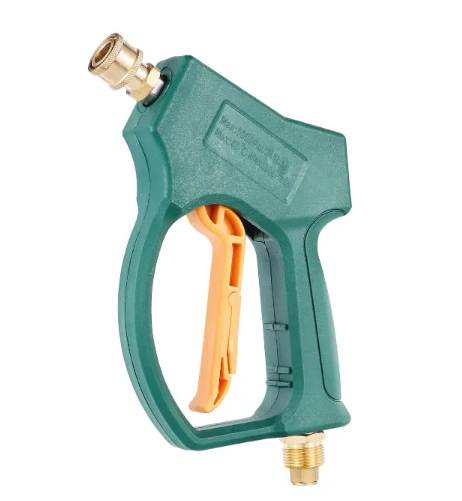
Pressure Washer Gun Compatibility and Accessory Integration Across Electric and Gas Models
Most pressure washers these days come with standardized quick connect fittings so electric and gas models can actually use the same guns and attachments. Turbo nozzles that adjust from straight shot to wide spray pattern and those surface cleaners work across both types of machines. Now here's where things get interesting: gas powered units handle much bigger flow rates. We're talking about 8 gallons per minute compared to just 4 GPM max for electric models. That makes all the difference when tackling tough jobs like degreasing concrete floors in factories or warehouses. When putting together a system, there are a few important things to watch for. First off, make sure everything matches at least 3,000 pounds per square inch if it needs to handle serious cleaning tasks. For anyone working with steam cleaning equipment, components need to stand up to temperatures over 200 degrees Fahrenheit. And let's not forget about comfort stuff either. Good ergonomic handles really matter after hours of continuous use because nobody wants sore hands at the end of their shift.
Table of Contents
- Power and Performance: PSI, GPM, and Continuous Operation in Industrial Settings
-
Durability and Maintenance: Longevity and Service Needs in Harsh Environments
- Gas Pressure Washers: Rugged Build Quality and Endurance in Extreme Conditions
- Electric Pressure Washer Durability in Climate-Controlled or Indoor Industrial Facilities
- Maintenance Comparison: Oil Changes, Spark Plugs, and Carburetor Cleaning for Gas Units
- Electric Systems: Low Maintenance but Vulnerable to Dust and Moisture Damage
- Operating Costs and Return on Investment Over Time
- Environmental Impact, Noise, and Regulatory Compliance in Industrial Zones
- Application Flexibility and Accessory Integration Across Industrial Use Cases