 EN
EN

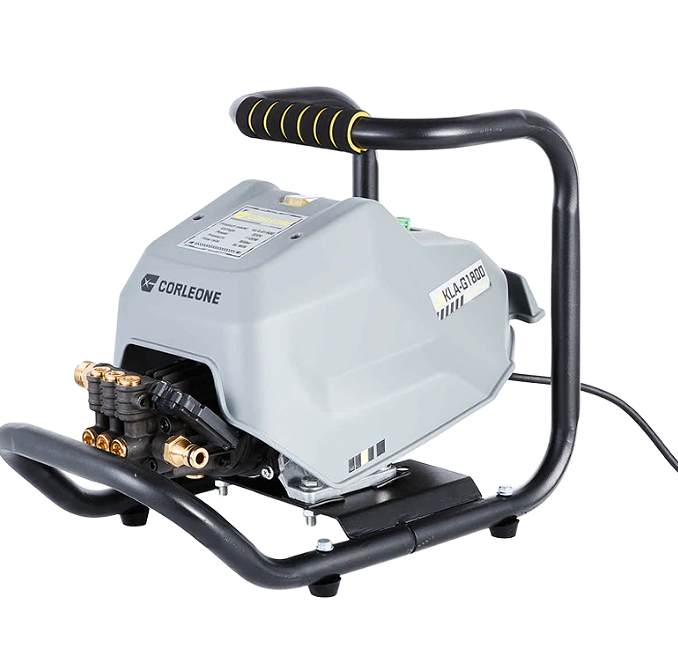
Why Jet Wash Electric Tools Are Ideal for Small-Scale Workshop Environments
Portability, indoor-safe operation, and low-maintenance benefits for hybrid workshop spaces
Electric jet wash tools bring real benefits to cramped workshop spaces thanks to their light weight and options for both corded and cordless versions. These eliminate those heavy fuel tanks and let workers get into tight spots or move between indoors and outdoors without hassle. About 68 percent of small shops actually work in areas smaller than 500 square feet, so this flexibility matters a lot. Plus these electric units just plug right in, no need for storing dangerous fuels around. That makes them compliant with indoor air standards and cuts down on fire hazards in places where paints and solvents are common. Maintenance costs drop roughly 40% over gas powered alternatives according to recent studies looking at how fluids behave in machinery. Electric motors simply don't have issues with clogged carburetors, regular oil changes, or replacing spark plugs. And because there are no exhaust fumes coming out, they can be used safely close to workstations that might not have great ventilation. The design also includes simpler parts like brushless motors which means these tools last much longer before needing servicing, often reaching over 500 hours of operation between maintenance checks.
How electric jet wash tools eliminate ventilation concerns and reduce operational friction
Electric jet washers tackle air quality problems right where they start since they don't emit anything while running. This solves one of the biggest issues causing breathing problems in workshop environments. Gas powered units are another story altogether. They usually require expensive HVAC system upgrades just to deal with carbon monoxide buildup, something that costs around $740,000 on average according to a recent Ponemon Institute study from 2023. Electric versions work perfectly fine inside regular buildings plugged into standard wall sockets. No need anymore for those annoying 30 to 50 minutes every day moving gear outside or waiting for proper ventilation after cleaning jobs. The whole process becomes smoother when operators can simply turn them on and off instantly. Pressure remains steady between 1,200 and 1,600 PSI regardless of weather conditions, and the machines only make about 75 decibels of noise compared to over 95 decibels from gas models, which helps workers focus better on detailed tasks. Since there's no need to mess with choke settings or wait for engines to warm up, the simple trigger mechanism cuts down mistakes made by staff by nearly 20% as confirmed by various EPA certified tests.
Critical Performance Specifications for Jet Wash Electric Tools in Workshops
Optimal PSI (1,500–2,000) and GPM (1.2–1.6) ranges for common workshop tasks
Getting the right jet wash electric tool depends on matching the PSI (pounds per square inch) and GPM (gallons per minute) ratings to what needs cleaning. Light jobs such as maintaining hand tools work best around 1,500 to 1,800 PSI combined with about 1.2 to 1.4 GPM. This range gets things clean without damaging delicate surfaces. When dealing with tough machine grease buildup, go for something stronger between 1,800 and 2,000 PSI alongside 1.4 to 1.6 GPM so it can cut through stubborn residue but still won't scratch metal parts. Going over 2,000 PSI can actually warp thinner materials though, and anything below 1.2 GPM just doesn't rinse properly. The sweet spots for most applications balance good cleaning power with water conservation. Lower pressure units save money on utilities while still doing their job adequately. Before buying anything, check those manufacturer specs against exactly what kind of dirt or grime needs removing from day to day operations.
Duty cycle realism: managing heat buildup during sustained use on metal, concrete, or grease-laden surfaces
Electric jet wash tools typically sustain 50–70% duty cycles during extended operations, requiring strategic cooldown intervals. Heat accumulation accelerates when cleaning thermally conductive surfaces like metal or dense materials like concrete, where reflected energy strains motors. Grease-heavy tasks compound this issue by demanding prolonged trigger engagement. To prevent overheating:
- Schedule 3–5 minute pauses every 10 minutes of runtime
- Prioritize models with automatic thermal shutdown
- Avoid obstructing ventilation intakes during operation
Proactive heat management extends motor lifespan by 30–40% compared to uncontrolled usage. Monitor housing temperature during intensive sessions—if surfaces become uncomfortably warm, initiate cooldown immediately.
Electric vs. Gas Jet Wash Tools: A Workshop-Centric Comparison
Choosing the right jet wash equipment for small workshops really comes down to what matters most day to day. Electric versus gas models depend heavily on things like how mobile we need it to be, noise limits from neighbors, how much maintenance work we want to deal with, and whether it will go inside buildings. Gas machines definitely pack more punch with their pressure ratings often reaching over 4,000 PSI, but they create harmful exhaust fumes that force us outside where proper ventilation is available. That makes them pretty useless for any job done indoors. On the flip side, electric pressure washers don't emit anything into the air, run quieter than gas versions at around 75 decibels compared to those loud 85-100 dB gas engines, and there's no worry about storing flammable fuels. Running costs drop dramatically too when switching to electric power since we skip buying gas altogether plus save money on regular oil changes and replacing spark plugs every few months. Most everyday workshop cleaning jobs like getting rid of machine grease or making sure floors are spotless can easily handle with electric washers rated between 1,500 and 2,000 PSI. These lower powered units still get the job done while keeping our workspace safe and breathable.
| Feature | Electric Tools | Gas Tools |
|---|---|---|
| Indoor Operation | Safe (no fumes) | Not feasible |
| Noise Level | ≈ 75 dB | 85–100 dB |
| Annual Maintenance | Minimal (no engine) | 3–4 service intervals |
| Mobility | Lightweight, corded | Bulkier, fuel-dependent |
| Fuel Cost | $15–$30/year | $150–$300/year |
Matching Jet Wash Electric Tools to Specific Workshop Tasks
Task-based selection guide: engine degreasing, tool cleaning, and floor sanitization
Picking out jet wash electric tools means getting the specs right for what needs to be cleaned where. When tackling engine degreasing jobs, look for models around 1800 to 2000 PSI that can handle chemical injections for those stubborn oil deposits. Thermal cutoff features are a must too since motors tend to overheat when fighting through thick grease for long periods. Cleaning tools is another story entirely. The versatility factor matters here. Rotary nozzles set between 500 and 1000 PSI work wonders at clearing metal shavings off drill presses without harming delicate bearings. And don't forget about conserving water with lower flow settings whenever possible. Floor sanitization calls for something different altogether. High flow rates above 1.5 gallons per minute combined with 40 degree fan tips really get into the cracks of porous concrete and lift out all that built up dirt effectively. Know your surfaces before cranking up the pressure though. Greasy concrete stands up to 2000 PSI just fine, but painted surfaces need gentler treatment below 1200 PSI to keep them looking good. Matching these task specific setups not only saves water but also helps extend how long the equipment lasts, especially important in workshops where space is tight anyway.
FAQ
What are the advantages of using electric jet wash tools?
Electric jet wash tools are portable, safe for indoor use, require minimal maintenance, and do not emit exhaust fumes. They can operate in smaller spaces and are quieter compared to gas-powered tools.
What is the ideal PSI for cleaning delicate surfaces in a workshop?
The ideal PSI range for cleaning delicate surfaces such as hand tools is between 1,500 and 1,800 PSI with a GPM of about 1.2 to 1.4 to ensure thorough cleaning without damage.
How does duty cycle affect the use of electric jet wash tools?
Duty cycles reflect how long the tools can operate continuously. Electric jet wash tools should have strategic cooldown intervals to prevent overheating, especially when used on metal or concrete surfaces.
Can electric jet wash tools replace gas tools for all workshop tasks?
Electric tools are ideal for most workshop tasks, especially indoor operations. However, they may not provide the high PSI required for certain heavy-duty tasks that gas tools offer.
How do electric jet wash tools help with ventilation concerns?
Electric tools don't emit fumes, allowing them to be used indoors safely without requiring upgrades to HVAC systems.
Table of Contents
- Why Jet Wash Electric Tools Are Ideal for Small-Scale Workshop Environments
- Critical Performance Specifications for Jet Wash Electric Tools in Workshops
- Electric vs. Gas Jet Wash Tools: A Workshop-Centric Comparison
- Matching Jet Wash Electric Tools to Specific Workshop Tasks
-
FAQ
- What are the advantages of using electric jet wash tools?
- What is the ideal PSI for cleaning delicate surfaces in a workshop?
- How does duty cycle affect the use of electric jet wash tools?
- Can electric jet wash tools replace gas tools for all workshop tasks?
- How do electric jet wash tools help with ventilation concerns?