 EN
EN

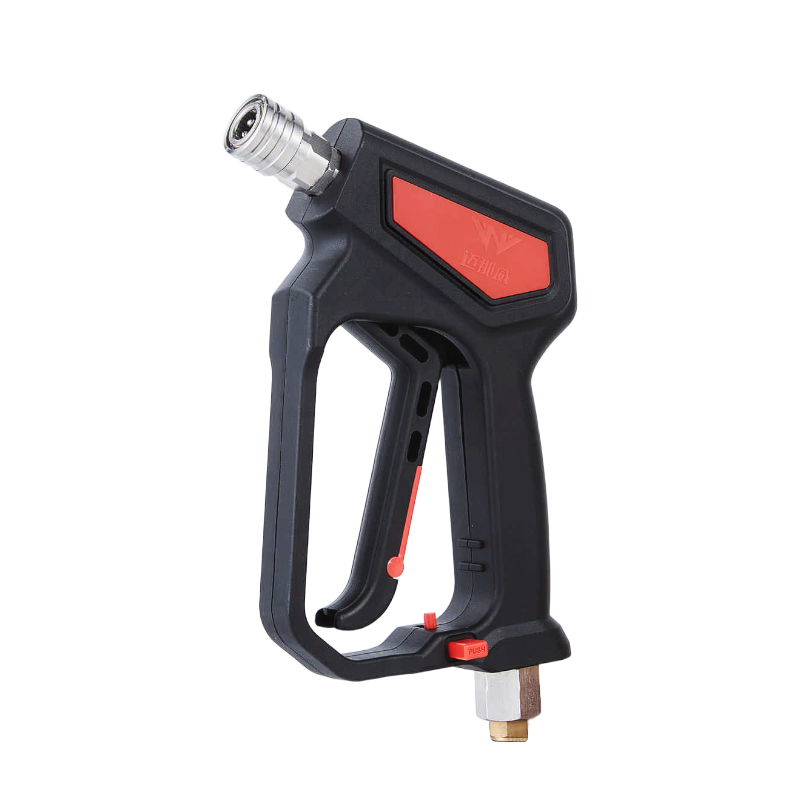
Why Regular Pressure Washing Is Essential for Agricultural Equipment Longevity
Farm machinery gets constantly bombarded with all sorts of corrosive stuff while working in fields. Think about soil residue sticking to metal surfaces, manure splashing around, those chemical fertilizers getting everywhere, plus all the organic material that builds up over time. These contaminants really take a toll on important parts like bearings, hydraulics, and engine components because they find their way into seals and joints where they cause corrosion and put extra stress on the machinery. Regular pressure washing removes this grime buildup, which cuts down on abrasive damage that would otherwise eat away at machines and cut their useful life short by several years. And there's another benefit too. When operators wash down equipment, they get a good look at what's going on underneath. This makes it easier to spot small problems like leaks, cracks, or parts that are starting to wear out before they turn into big repair bills or total breakdowns right when farmers need their equipment most during busy harvest times.
When it comes to getting more out of machinery, regular cleaning makes a world of difference. Removing dirt and grime from those cooling fins and radiators keeps things from overheating, and when gearboxes and drivetrains stay clean, they just run smoother with less wear and tear. On farms where animals are involved, pressure washing does more than look good. The sanitation aspect really matters because it cuts down on how pathogens spread around and stops those stubborn biofilms from forming in feed systems. Looking at the bigger picture, sticking to proper cleaning routines actually protects what's underneath all that paint. Equipment maintains its structural strength longer and holds better value when it's time to sell or trade. Industry studies back this up showing around a 22 percent drop in maintenance expenses over time. So instead of seeing pressure washing as just another chore, smart operators know it's money well spent for keeping their gear running strong year after year.
Optimizing Pressure Washer Settings for Key Agricultural Equipment Types
Tractors: Balancing PSI and nozzle angle to protect hydraulic systems and cab seals
When cleaning tractors, it's best to go with around 1,200 to 1,500 pounds per square inch using a 40 degree nozzle angle. This setup works great for knocking off all that stubborn mud without risking damage to those delicate hydraulic fittings. Now when approaching the cab area, drop the pressure down to about 800 PSI instead. The seals and electrical bits there are pretty sensitive stuff. Keep the hose at least twelve inches away from these vulnerable spots too. Getting water inside can really speed up corrosion problems over time. And don't forget this important step: after washing everything down, take a moment to blow out any water that gets trapped in crevices. That extra effort goes a long way toward protecting all those bearings and joints from rust and wear.
Combines and Harvesters: Removing crop residue from sieves, concaves, and grain tanks
When dealing with concave grates and grain tanks, aim for pressure settings between 2,000 to 2,500 PSI with a 15 degree turbo nozzle. This setup works really well at clearing out compacted chaff without wasting too much water. Switch things up when working on sieves and elevators though. A 25 degree fan pattern makes more sense there since it won't bend those delicate parts. Getting rid of all that leftover material after harvest makes a big difference. Studies from agricultural extensions show that doing this cuts down mold growth by around 70 percent during storage time. That kind of reduction matters a lot for long term grain quality.
Sprayers and Applicators: Preventing chemical cross-contamination and nozzle clogging
Before changing chemicals in the sprayer tank, it's important to flush everything out with hot water around 1,800 PSI at least 140 degrees Fahrenheit. For stubborn deposits that have turned to crystals on those spray tips, point a 0 degree nozzle about six inches away from each tip. The heat will help break down what's built up over time. Farmers should stick to a three rinse method when cleaning equipment too. Get hold of proper cleaning solutions designed specifically for this job. Doing so removes leftover herbicides which can really mess with nozzles if not taken care of properly. Clean nozzles mean better spray distribution across fields, and ultimately healthier crops with fewer yield losses due to uneven applications.
Hot Water vs. Cold Water Pressure Washers for Agricultural Equipment
When cold water suffices: Dry dust, loose soil, and pre-rinse stages
Using cold water pressure washers works great for getting rid of dry dust and loose dirt off things like tractor hoods or the outside of grain tanks. Most folks use it as a first step before bringing out the actual cleaning products since it doesn't require heating up the water, which saves on electricity costs. The technique handles most non-oily messes pretty well too. Just need to be careful around areas with electrical parts where water might cause problems. For best results, many operators find that setting their pressure washer between 1500 to 2000 psi with a 25 degree nozzle gives them good coverage without blasting everything apart. Works especially well on flat surfaces but takes longer on intricate machinery parts.
When hot water is critical: Grease, manure, biofilm, and pesticide residue removal
Water heated to at least 140 degrees Fahrenheit works wonders against tough grime that gets stuck in agricultural machinery. Think about all that grease clogging up combine gearboxes, manure buildup on fertilizer spreaders, and those pesky pesticide leftovers hanging around inside sprayer tanks. Farmers report cutting down their cleaning time roughly in half compared to using just cold water. When it comes to getting rid of biofilms in dairy farm milk lines or inside livestock transport trailers, things get even trickier. These areas need consistently hot water around 160 degrees to properly kill off bacteria and other nasties clinging to surfaces. Industry experts have seen through various USDA backed research that simply heating up the cleaning process makes a big difference in reducing harmful pathogens throughout the farming operation, especially important for equipment that touches fresh produce right after harvest.
Safety-First Best Practices for Pressure Washing Agricultural Equipment
Safety procedures help keep workers safe and protect valuable equipment from getting damaged. First things first, put on proper protection rated by ANSI standards including those sealed goggles, gloves that resist chemicals, and boots with steel toes since those high pressure jets can shoot stuff out at over 200 miles per hour. Before doing any cleaning work, make sure all machines are turned off completely and check that hydraulic systems have no pressure left inside them to stay away from electrical dangers or sudden movements. Keep at least twelve inches away from whatever surface needs cleaning and bring down the pressure under 1500 pounds per square inch when working around bearings, seals, and wiring harness areas to stop permanent harm. When using chemicals for cleaning, go for biodegradable options made for farm residue problems, then rinse everything within ten minutes to cut down on rust issues later on. Set up an exclusion area about fifteen feet wide with safety cones placed around it, and absolutely do not run equipment on shaky ground where someone might slip and get sprayed accidentally. After washing is done, inspect important parts such as brakes and PTO shafts carefully because water trapped between joints really speeds up wear and tear over time. People who follow these steps tend to spend 37% less time fixing things according to recent studies in agricultural maintenance from 2023, plus they save money on expensive repairs for delicate system components.
FAQ
Why is pressure washing important for agricultural equipment?
Pressure washing removes corrosive build-up, prolonging the lifespan of machinery by preventing damage to crucial components. It also allows operators to spot early signs of wear before they lead to significant equipment failures.
How do I optimize pressure washer settings for different types of agricultural equipment?
The pressure settings vary: for tractors, use 1,200 to 1,500 PSI; for combines and harvesters, 2,000 to 2,500 PSI; and for sprayers, at least 1,800 PSI with specific temperature adjustments based on cleaning needs.
When should I use hot vs. cold water in pressure washing?
Cold water is effective for removing dry dust and loose dirt, serving primarily as a pre-rinse step. In contrast, hot water is critical for removing grease, manure, and other stubborn residues.
What safety measures should be followed during pressure washing?
Ensure proper safety gear like goggles and gloves, keep equipment turned off during cleaning, keep a safe distance from sensitive parts, and use biodegradable cleaning solutions.