 EN
EN

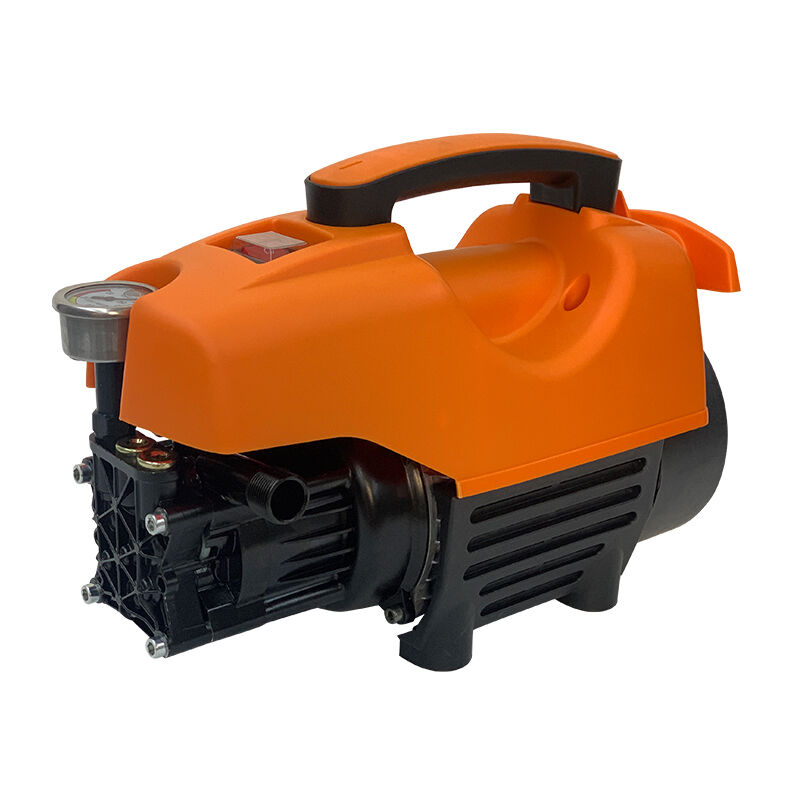
Core Pressure Adjustment Mechanisms in Pressure Washer Guns
Trigger-Actuated Flow Control: Real-Time Pressure Modulation at the Gun
When someone squeezes the trigger on these pressure washers, it actually controls how much water comes out of the nozzle, which then changes the pressure level as things go along. The whole system works mechanically so there's no need for pumps to keep turning on and off during jobs, nor does anyone have to stop what they're doing halfway through to tweak settings manually. Workers can switch back and forth between powerful scrubbing modes and light rinse settings just by pressing harder or lighter on that trigger handle. This feature really matters when dealing with tricky spots such as ornate metalwork designs or car body panels. Quick adjustments mean workers avoid damaging delicate areas while still getting rid of dirt effectively.
Dump vs. Weep Bypass Systems: Protecting Pumps During Idle and Low-Flow Use
The moment someone pulls the trigger, bypass systems kick in to move water away from pumps before they overheat or get stuck due to thermal lock issues. Dump valves work differently though - they send all the water rushing into a bypass loop at once, creating that noticeable drop in pressure when everything empties out quickly. These are great for places where equipment gets used briefly but often throughout the day. Weep systems take another approach altogether. Instead of big bursts, these systems have tiny openings that let just enough water escape continuously, around 0.1 gallons per minute. This constant drip keeps pipes from freezing during winter months and slowly cools down the system, which is why most factories running non-stop operations stick with weep designs. Industry experts point out something interesting too: if pumps sit idle without any kind of bypass protection, their lifespan drops by about 17% according to studies on how fluids behave. That's probably why folks working in colder regions tend to go for weep style equipment so much more frequently.
Nozzle Selection as the Primary Method for Targeted Pressure Delivery
Orifice Size, Spray Angle, and PSI/GPM Trade-offs Across Standard Nozzle Types (0°–40°)
Choosing the right nozzle is probably the best way to control how strong the cleaning force will be. The size of the hole (orifice) and the spray angle really affect where the pressure goes and how much area gets covered. Narrower spray angles mean higher pressure (PSI) but less water flow (GPM). Wider angles do the opposite they create lower pressure but more water flow. Take for example the 0 degree red nozzle which can hit around 3,500 to even over 4,500 PSI perfect for tough jobs such as getting rid of rust. Compare that to the 40 degree white nozzle that runs under 1,500 PSI ideal for gentle cleaning tasks like washing windows. According to basic physics stuff we learn in school, when holes get smaller, the water shoots out faster and harder but there's just not as much coming through maybe 15 to 30 percent less actually. Here's what all these standard nozzles typically perform like according to our handy reference chart:
| Spray Angle | Color Code | PSI Range | GPM Impact | Ideal Surface |
|---|---|---|---|---|
| 0° | Red | 3500–4500+ | –¼¼ 70% | Concrete, rust |
| 15° | Yellow | 2500–3500 | –¼ 50% | Brick, heavy grime |
| 25° | Green | 1500–2500 | ¼ 30% | Decks, siding |
| 40° | White | 500–1500 | ² 10% | Windows, vehicles |
Ensuring Nozzle Compatibility with Gun Design and Pump Output Specifications
When nozzles don't match properly, both safety and performance suffer big time. If someone installs a nozzle that can't handle the full GPM output of their pump, they're creating serious backpressure issues that often go way beyond what equipment is designed for sometimes by around 20% or even worse. There are really just two things worth checking when selecting nozzles. First, make sure the orifice size lines up with what the pump actually produces. A #4 orifice works well with most 4 GPM pumps for instance. Second, check that the threads will fit securely onto the lance part of the pressure washer gun. Most major brands include compatibility guides somewhere in their manuals these days because mismatched parts tend to wear out components much faster than normal. Some studies from last year showed wear rates could jump as high as 40% with bad pairings. Before putting anything together, take a good look at those official PSI and GPM numbers listed on the machine itself.
Smart Trigger Technology and Next-Generation Pressure Washer Guns
Variable-Resistance Triggers and Integrated Sensors for Adaptive Pressure Control
The latest pressure washer guns come equipped with variable resistance triggers paired with either infrared or ultrasonic sensors that adjust pressure automatically depending on how close they are to the surface being cleaned and what the operator wants. These smart systems take away the need for constantly swapping nozzles or fiddling with pumps settings. Operators report feeling less tired after hours of work since these models cut down fatigue by around 30 percent compared to older models. Plus, there's less risk of damaging things because of sudden spikes in pressure. Some models even feature recoil assisted triggers that actually reduce hand strain through clever use of hydraulic power to keep pressure steady throughout the job. Inside these machines, tiny computer chips continuously check out the material being cleaned and how dirty it is, then quickly switch between low pressure settings at 500 pounds per square inch for delicate surfaces all the way up to 3,500 psi when tackling tough concrete jobs. The result? Cleaner results with fewer stops and starts for the pump, which means longer life for the whole system.
Critical Compatibility Considerations Between Pressure Washer Guns and Pump Systems
When parts don't match up properly, they create real safety issues and can cut down on cleaning effectiveness by around 30 to 40 percent. Plus, there's a much higher chance something will break down. For pressure washers, getting the right gun for the pump matters a lot. Three main specs need to line up: how much water flows through (measured in gallons per minute), the actual pressure delivered (in pounds per square inch), and how well it handles heat. Try putting a regular household gun that only works with 2 GPM max onto a commercial pump pushing 4 GPM or more? That creates serious pressure problems inside the system which could burst seals or even cause sudden kickbacks that hurt people nearby. Hot water systems running hotter than 140 degrees Fahrenheit need special guns with seals designed for those temperatures something most basic models simply lack. The connections matter too. Most professional equipment uses 3/8 inch female threaded inlets and 1/4 inch female threaded outlets as standard connections. But when someone tries to connect these to consumer grade tools with different M22 fittings, leaks develop at those connection points which weakens the whole pressure system over time. Anyone working professionally with these machines needs to check all three areas maximum pressure tolerance of the pump, what temperature ratings the O-rings can handle, and whether the flow capacity matches before starting work. Otherwise they might end up dealing with stuck pistons, failed unloader valves, or seals that wear out way too fast.
FAQs
What is the main advantage of trigger-actuated flow control in pressure washer guns?
Trigger-actuated flow control allows users to modulate pressure in real time without adjusting pump settings manually, making it easier to transition between different cleaning tasks.
How do dump and weep bypass systems differ in pressure washers?
Dump systems quickly redirect water away from pumps to manage pressure during idle times, while weep systems provide a continuous gentle flow that prevents overheating and pipe freezing.
Why is nozzle selection critical in pressure washers?
Choosing the right nozzle impacts cleaning force and coverage area. Different angles and orifice sizes determine the pressure and water flow, affecting cleaning efficiency.
What are the benefits of smart trigger technology in pressure washer guns?
Smart triggers automatically adjust pressure using sensors, reducing operator fatigue and minimizing surface damage, thus enhancing cleaning effectiveness.
Why is compatibility between pressure washer guns and pump systems important?
Proper compatibility ensures safety and performance, preventing equipment damage, kickbacks, or leaks due to mismatched specifications and fittings.
Table of Contents
- Core Pressure Adjustment Mechanisms in Pressure Washer Guns
- Nozzle Selection as the Primary Method for Targeted Pressure Delivery
- Smart Trigger Technology and Next-Generation Pressure Washer Guns
-
Critical Compatibility Considerations Between Pressure Washer Guns and Pump Systems
- FAQs
- What is the main advantage of trigger-actuated flow control in pressure washer guns?
- How do dump and weep bypass systems differ in pressure washers?
- Why is nozzle selection critical in pressure washers?
- What are the benefits of smart trigger technology in pressure washer guns?
- Why is compatibility between pressure washer guns and pump systems important?