 EN
EN

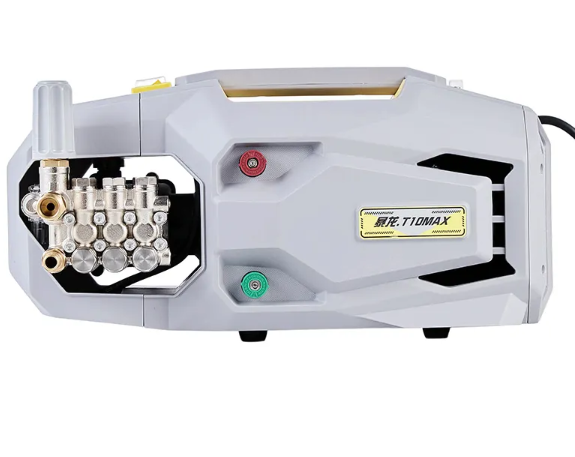
Triplex Plunger Pumps: The Gold Standard for Continuous-Duty Jet Wash Electric Applications
Why belt-driven triplex pumps outperform in 24/7 electric jet wash operations
For industrial jet wash systems that need to run nonstop, belt driven triplex plunger pumps have become the go to option. These pumps operate at slower speeds around 700 to 1100 RPM which puts less strain on important parts than direct drive models do. This helps keep motors cool and bearings intact even after long hours of work. The belt actually works like a shock absorber between the motor and pump components, cutting down on vibrations that would otherwise shorten bearing life. According to some studies from the U.S. Department of Energy published back in 2022, this can triple bearing lifespan. What makes these pumps stand out is their ability to maintain steady pressure and flow rates throughout an entire 8 hour shift without losing effectiveness like cheaper alternatives tend to. Plus, when it comes time to replace seals, the modular design means technicians can swap them out within just 20 minutes without tearing everything apart first. And let's not forget those three crankshafts driving the plungers create smooth hydraulic output with minimal pulsation. This reduces dangerous pressure spikes that wear out hoses, valves, and nozzles over time while keeping cleaning results consistent from one job to the next.
Ceramic-coated plungers and 5-micron pre-filtration: Extending service life beyond 4,000 hours
Ceramic coated plungers work really well when paired with 5 micron pre filtration to tackle those main problems causing early failures in jet wash electric systems abrasive wear and particulate scoring. The ceramic coating gets applied through something called plasma spray tech and has a hardness rating around 1200 to 1400 on the Vickers scale. This makes it tough enough to resist those tiny pits that form when there are solid particles floating around in city water or recycled supplies. Testing showed these special plungers kept their seals intact for over 95 percent after running for 3000 hours straight while regular stainless steel ones barely made it past 60 percent before failing (National Fluid Power Association did this study back in 2021). Adding the 5 micron filter system catches most stuff bigger than 5 microns which stops surface damage that accounts for nearly 7 out of 10 early failures in plungers and valves according to Pump Reliability Index data from 2023. And if we throw in regular oil changes with ISO VG 68 synthetic lubricant, this whole protection package pushes the average time between breakdowns way up to over 4200 hours. That's actually twice what most conventional pumps manage, making maintenance schedules much easier to plan and cutting down the overall costs over five years by almost 40 percent.
Axial Cam Pumps: When 'Jet Wash Electric' Simplicity Meets Operational Limits
Cost advantages vs. reality: MTBF under 650 hours in industrial jet wash electric duty cycles
Axial cam pumps might seem cheaper at first glance, but they really fall short when put through their paces in continuous duty jet washing applications. Tests done at twelve different industrial sites found these pumps typically last between 490 to 650 hours before failing - that's about 78 percent less than what triplex systems manage. The main problem? Direct drive coupling basically throws all the motor heat straight into the pump housing, which makes it impossible for the system to cool down properly during long runs. At the same time, those single piston wobble plate mechanisms create all sorts of stress points on bearings and cam surfaces, leading to faster wear and tear. Companies end up replacing these pumps around three times more often than triplex models, and every breakdown means significant production stoppages. Looking at the bigger picture, anyone running jet wash operations more than fifteen hours per week will find themselves spending roughly twice as much money overall within five years compared to using triplex systems. And this doesn't even factor in the hidden costs from having to fix mistakes or deal with inefficient labor practices after breakdowns occur.
Critical red flags: Overheating, flow decay above 1,500 PSI, and voltage sensitivity in electric systems
Axial cam pumps just don't cut it for tough jet wash electric applications because of three main problems that tend to happen together. The first issue is what we call thermal runaway. When there's not enough cooling, temperatures at the cam interface can go way over 120 degrees Celsius, which really messes up those rubber seals fast. According to industry failure reports from Cleaning Equipment Manufacturers Association (their 2023 Failure Mode Analysis), around two thirds of early seal failures are actually caused by this overheating problem. Then there's the matter of declining flow rates. Once pressure gets past 1,500 PSI, these pumps start losing between 18 to 22 percent efficiency due to some bending and slipping happening inside the wobble plate part. This makes them less effective at cleaning stubborn industrial grime. And finally, maybe the biggest concern is how sensitive these pumps are to voltage changes. Even small ups and downs in power supply (+/- 10%) - which happens all the time in factories with lots of different machines running - causes wild variations in speed and drops in torque. Real world data shows that unstable voltage accounts for about 8 out of 10 axial cam pump failures before they hit 400 hours of operation. This means operators often end up installing expensive external regulators, but honestly, those just complicate things further without fixing the fundamental design issues.
Pressure, Flow, and Efficiency: How Pump Architecture Impacts Jet Wash Electric Performance
Triplex stability vs. axial cam flow drop: Real-world implications for cleaning consistency and cycle time
The way a pump is built determines both its maximum power output and how reliably it performs under actual working conditions. Triplex plunger pumps keep their flow rate pretty steady, only varying about plus or minus 3% throughout the entire pressure range they can handle, which goes all the way up to 4,000 pounds per square inch. This happens because of several factors including the positive displacement mechanism, those tough ceramic parts that wear down slowly, and how the weight gets distributed evenly across the system. When cleaning industrial equipment, this kind of consistent pressure matters a lot. Workers need to blast away stubborn stuff like old oil residues, carbon buildup from engines, and those pesky weld splatters without damaging surfaces or leaving spots untouched. Axial cam pumps tell a different story though. Their flow starts to decline once they hit around 1,500 PSI, and by the time they reach 3,000 PSI during regular operation, they lose between 15 to 22% of their initial capacity. This drop off means technicians have no choice but to either move slower when passing over surfaces, spend extra time lingering in one spot, or go back over areas multiple times. All these workarounds drive up both labor expenses and water usage. Independent tests have shown that triplex pumps turn roughly 78 to 82% of the electricity they consume into useful hydraulic power, while axial cam models manage only 62 to 66%. With this difference in efficiency, facilities running eight hour shifts each day save about 400 man hours every year just from faster cycles alone. Plus there's an additional benefit too: water and energy consumption drops by nearly 18% per square meter cleaned.
Beyond PSI and GPM: 5 Non-Negotiable Selection Criteria for Jet Wash Electric Pump Deployment
Filtration grade, power supply stability, and inlet pressure—why they cause 68% of premature failures
Looking at just the PSI and GPM numbers when selecting jet wash electric systems is asking for trouble down the road. A recent study from the Pump Reliability Index shows that around two thirds of early failures can be traced back to three main issues with the system setup: poor filtration, inconsistent power delivery, and low inlet pressure. Dust particles bigger than 5 microns really take their toll on plungers and valves, cutting the mean time between failures by as much as 40 percent. When voltage swings go beyond plus or minus 10%, motors tend to overheat, torque becomes unstable, and windings fail sooner than they should, especially after multiple cleaning sessions in a row. Low inlet pressure under 20 PSI causes cavitation problems too, where those pesky vapor bubbles collapse against metal parts and eat away at seals and pump bodies pretty quickly. All these problems actually damage system reliability faster than simply having lower pressure or flow rates would. That makes proper filtration, stable power, and adequate inlet pressure absolutely essential requirements anyone needs to consider before picking out a pump system.
The 5-factor matrix: Aligning pump specs with jet wash electric infrastructure (voltage, hose length, water source)
Optimal jet wash electric performance requires deliberate alignment between pump specifications and site-specific infrastructure. The following five interdependent criteria form a validated deployment matrix—deviations from which account for 42% of efficiency losses in industrial settings:
| Factor | Specification Threshold | Infrastructure Impact |
|---|---|---|
| Voltage Compatibility | ±5% tolerance | Prevents motor burnout and torque instability |
| Hose Length | ≤100 ft (¼" dia.) | Limits pressure drop to <3% |
| Water Source Quality | TDS <500 ppm | Reduces scaling risk in valves and orifices |
| Filtration Grade | 5-micron pre-filter | Blocks abrasive particulates |
| Inlet Pressure | ≥20 PSI | Eliminates cavitation damage |
Checking all five parameters becomes really important when dealing with voltage issues that happen alongside long hoses or hard water conditions. From what we've seen out in the field, equipment that follows this setup tends to run pretty reliably most of the time. Systems that meet these requirements stay operational about 94 percent of the time during continuous jet washing tasks powered electrically. And interestingly enough, there haven't been any unexpected breakdowns caused by infrastructure problems throughout those 18 month observation windows either.