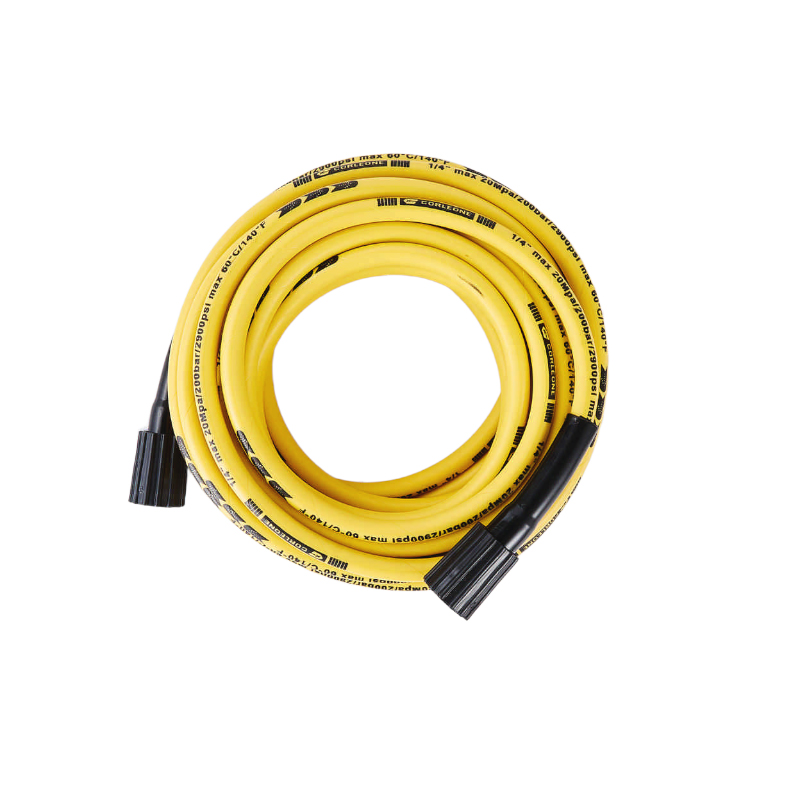
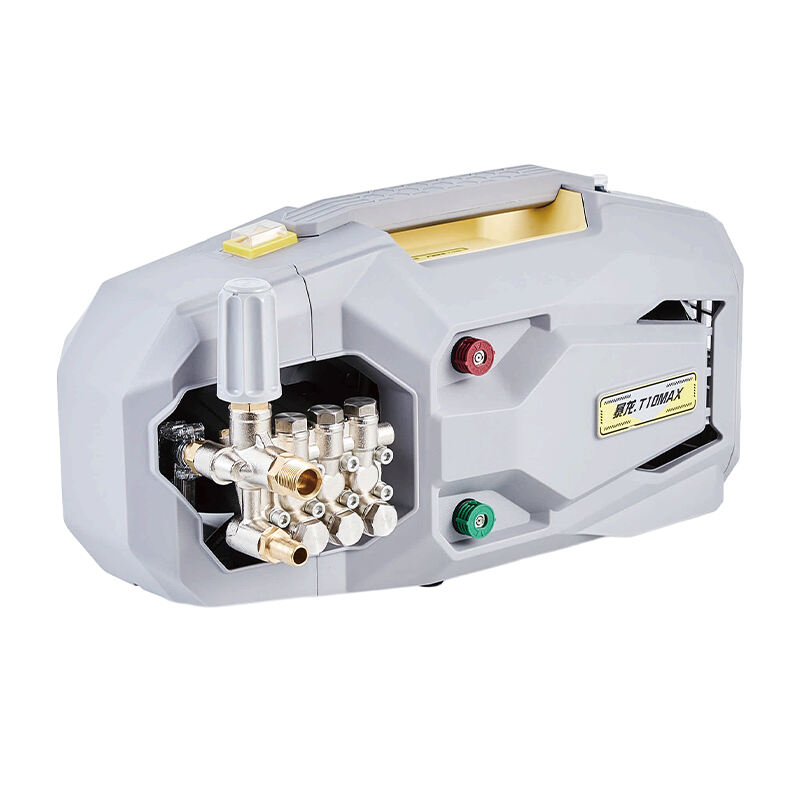
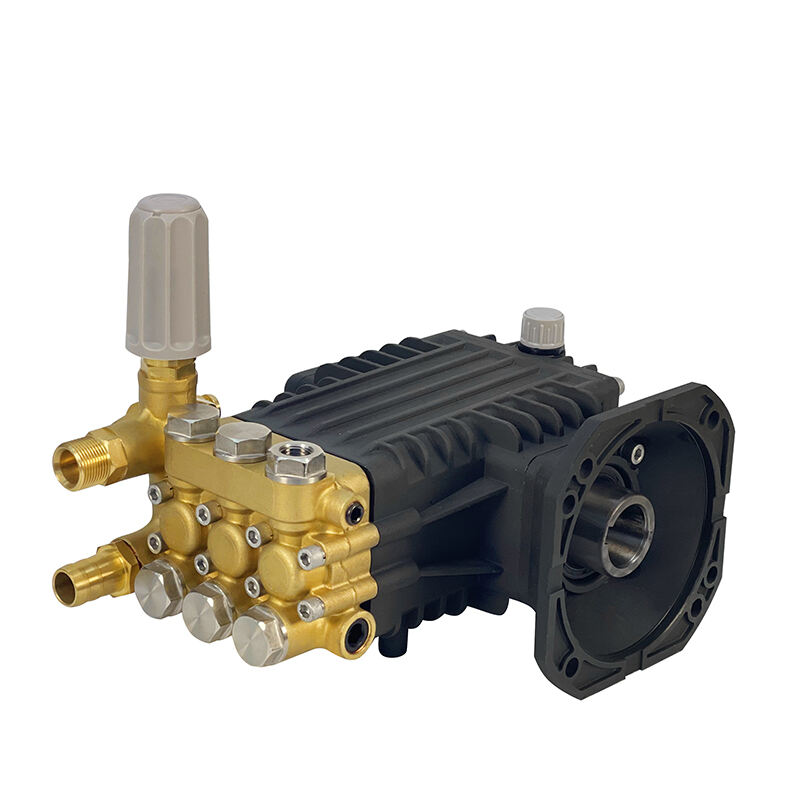
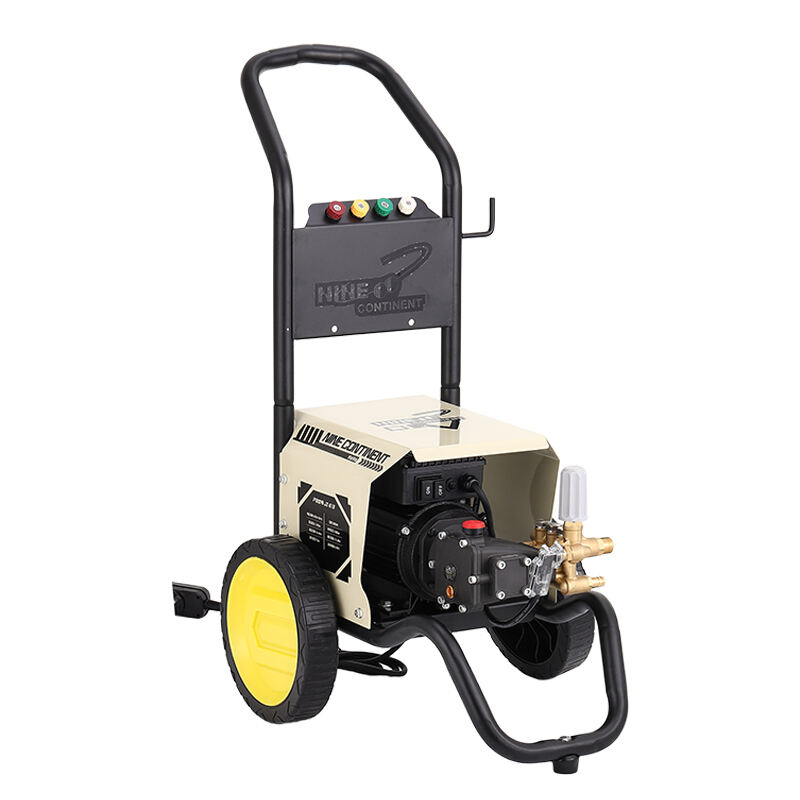
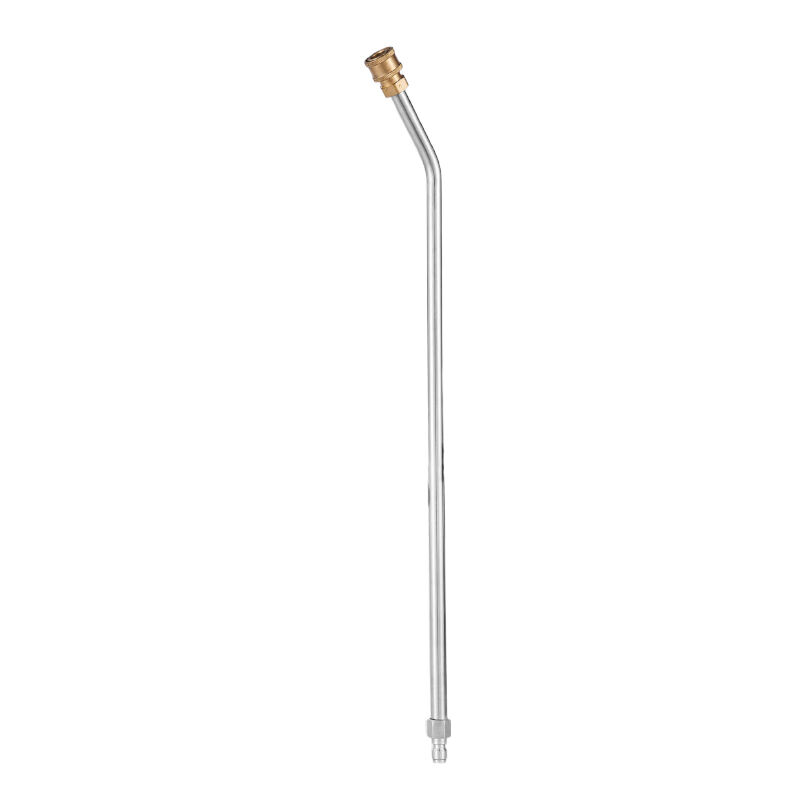
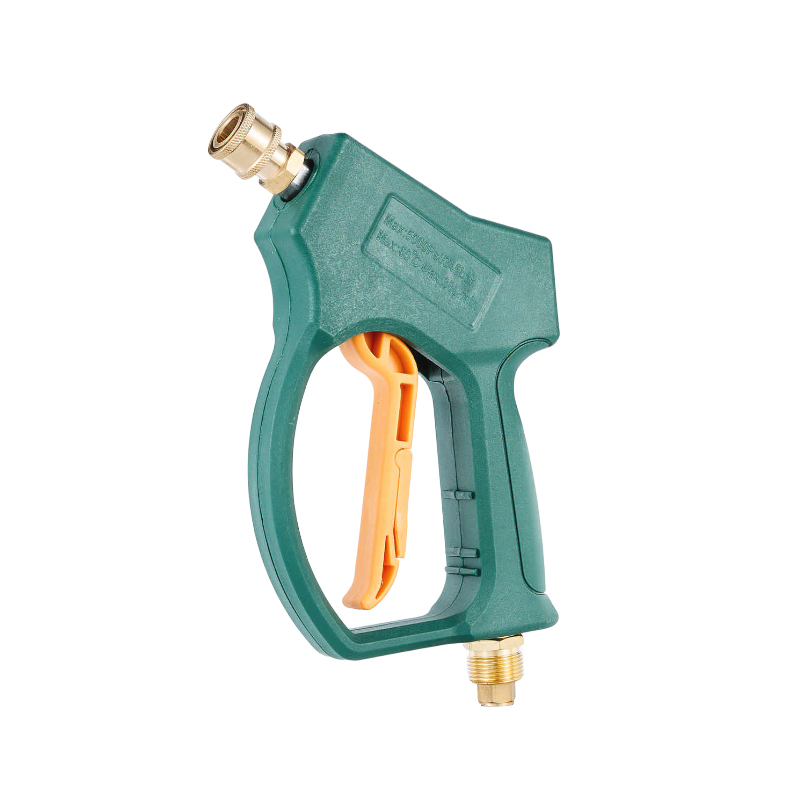
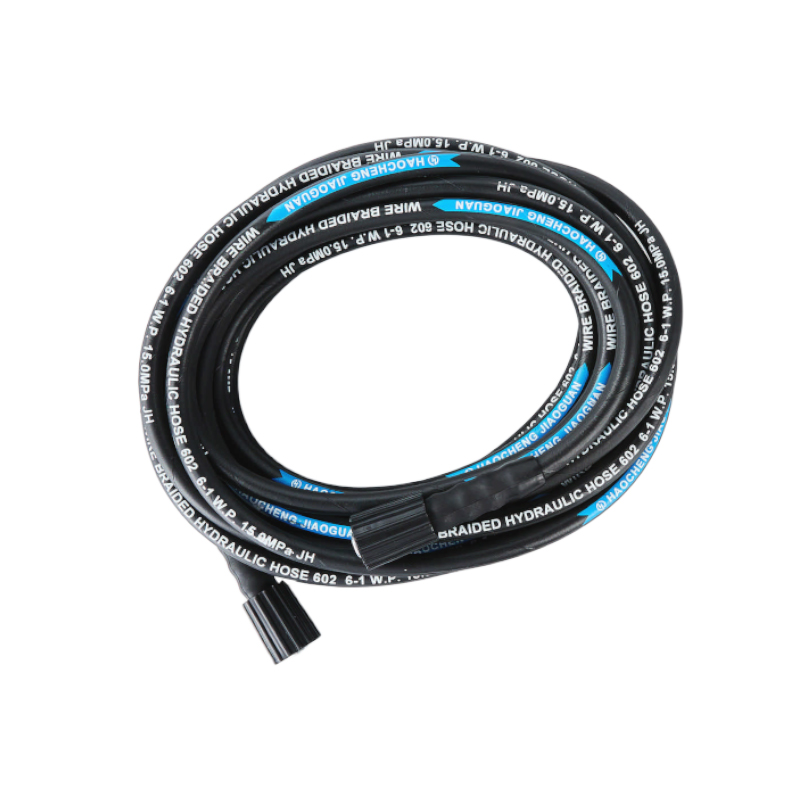
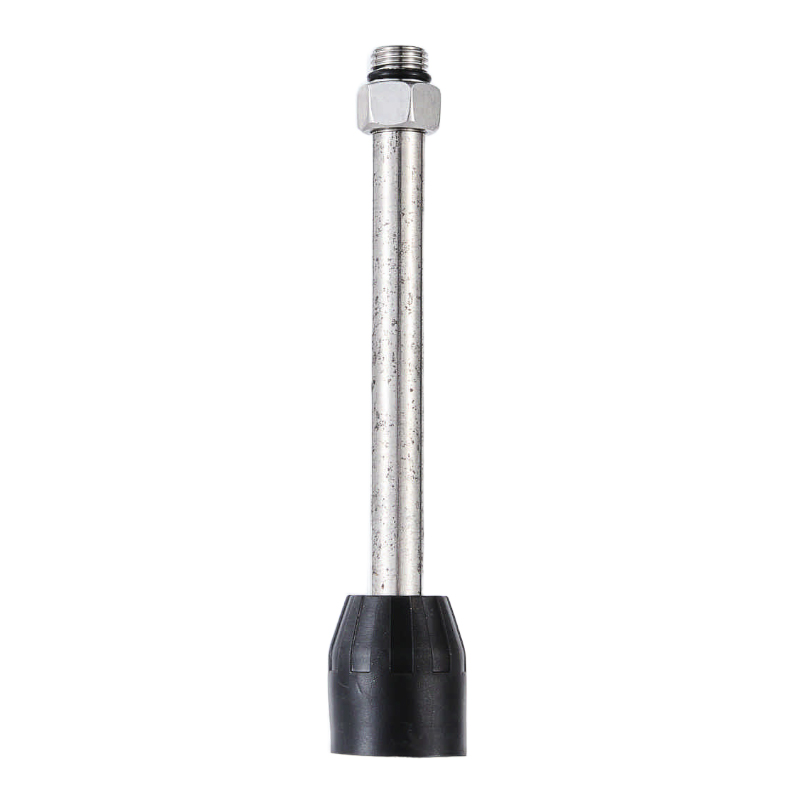
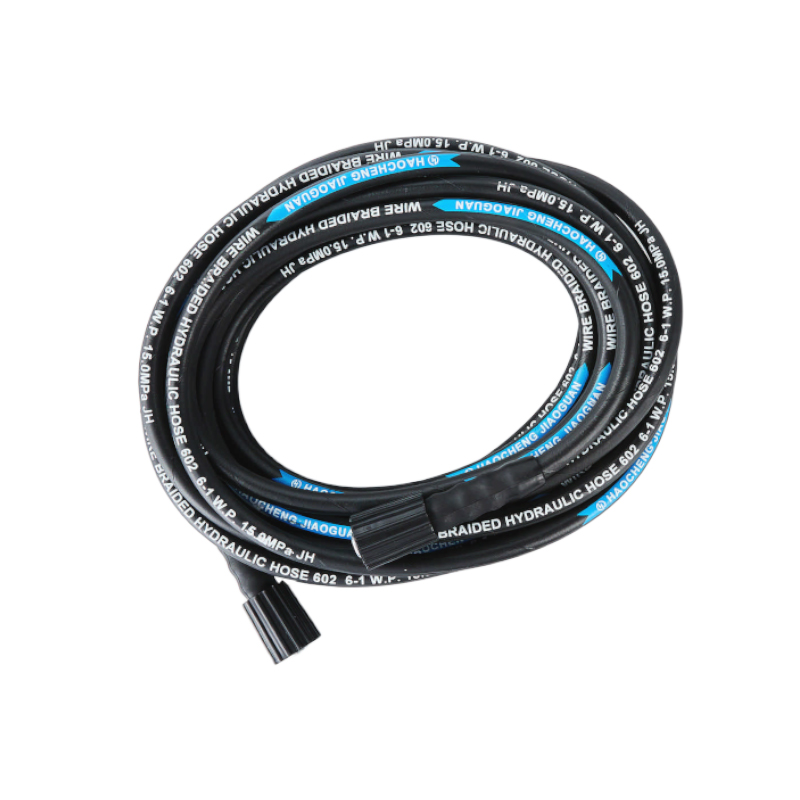
Pressure washer hoses represent critical components in high-pressure cleaning systems, engineered to transport water from the pump to the cleaning accessory while containing extreme pressures and withstanding demanding environmental conditions. These specialized hoses typically feature multi-layer construction comprising an inner tube of oil-resistant synthetic rubber or thermoplastic elastomer that provides smooth flow characteristics and chemical resistance; multiple reinforcement layers of high-tensile synthetic yarn (polyester, nylon, or aramid fibers) woven in counter-helical patterns to contain operating pressures while maintaining flexibility; and an abrasion-resistant outer cover incorporating UV stabilizers and weather-resistant compounds. Technical specifications include working pressure ratings (typically 1500-5000 PSI for professional models), burst pressure ratings (2-3 times working pressure), temperature range (typically -40°F to 180°F), internal diameter (1/4" to 3/8" affecting flow volume and pressure retention), and minimum bend radius (as low as 8 inches for 1/4" models). ZHEJIANG LVCHI MOTOR CO.,LTD complements these hose systems by manufacturing the precision brass and stainless-steel fittings that ensure secure, leak-free connections to both the pressure washer and accessories. Our fitting designs incorporate flow-optimized internal passages that minimize turbulence and pressure drop, maintaining cleaning efficiency throughout the system. The manufacturing precision achieved through our CNC machining processes guarantees perfect thread engagement (1/4" NPT, 3/8" NPT, and M22 standards) and consistent sealing surface finishes that prevent connection failures under continuous use. Our technical collaboration with hose manufacturers focuses on developing complete fluid delivery systems that withstand the rigorous demands of professional applications, where frequent coiling, exposure to cleaning chemicals, and continuous pressure cycling require components that maintain performance integrity over thousands of operational cycles.
ONLINE