 EN
EN

Introduction
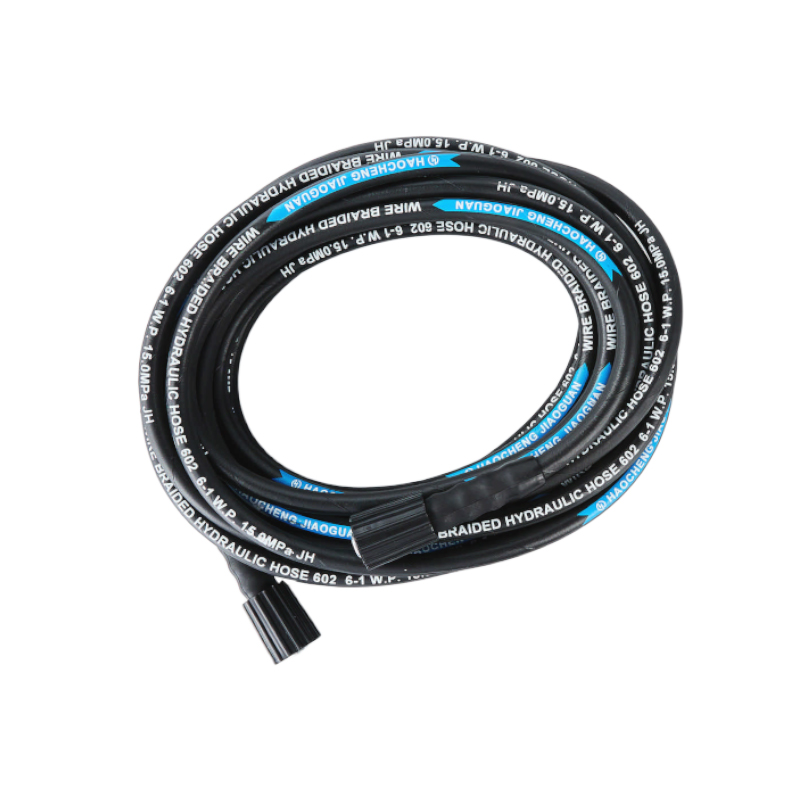
The high pressure hose is a critical component of any pressure washing system, acting as the vital conduit that delivers water from the pump to the spray gun. Despite its robust appearance, it is one of the most vulnerable parts subjected to constant high pressure, abrasion, and environmental stress. Understanding the common problems that can occur with these hoses and knowing how to address them is essential for maintaining the efficiency and safety of your pressure washer. This knowledge not only helps in performing quick fixes but also in preventing potential failures, ensuring your equipment operates smoothly and has a longer service life. A well maintained hose is key to unlocking the full, reliable performance of your machine.
Leaks and Spraying Water at Connection Points
One of the most frequent issues is water leaking from the points where the hose connects to the pump or the spray gun. This usually happens due to a faulty seal or a loose connection. The constant high pressure can cause fittings to vibrate loose over time, or the O rings and seals inside the couplings can wear out, crack, or become damaged. A leak not only reduces cleaning efficiency and creates a mess but can also be a safety hazard. To troubleshoot this, first, ensure the machine is off and pressure is released. Then, check if the couplings are hand tight. If they are loose, tighten them firmly. If the leak persists, inspect the O rings for any signs of damage, wear, or debris. Replacing the O ring is often an inexpensive and effective solution to stop the leak completely.
Abrasion and External Damage to the Hose Cover
The outer cover of a pressure washer hose is designed to protect the internal reinforcement layers. However, it is susceptible to abrasion from being dragged across rough surfaces like concrete, or from being pinched by doors or run over by vehicles. Visible cuts, scratches, or worn spots on the outer cover compromise the hose's integrity. If the abrasion is deep enough to expose the wire braiding, the hose is at a high risk of bursting and must be replaced immediately. To prevent this, always be mindful of the hose's path during use. Avoid dragging it over sharp edges and try to keep it away from areas with heavy foot or vehicle traffic. Proper storage after use also significantly extends the hose's lifespan.
Kinks and Internal Flow Restrictions
Kinking occurs when the hose is bent at an acute angle, which pinches the internal tube and obstructs the water flow. A kinked hose can cause a sudden drop in pressure, put excessive strain on the pump, and eventually lead to permanent damage to the hose's structure, creating a weak point. If you notice a pressure drop, immediately check the entire length of the hose for kinks and straighten them out. To prevent kinking, use the hose in a way that promotes large, gentle loops rather than tight bends. When storing, coil the hose loosely instead of wrapping it tightly, which can set in a memory and lead to future kinks. Using a hose with a higher quality construction can also improve its flexibility and resistance to kinking.
Bursts and Catastrophic Failures
A hose burst is the most severe failure and is typically accompanied by a loud bang and a complete loss of pressure. This is a dangerous situation that poses a safety risk to the operator. Bursts are often the result of a weakened area in the hose, which can be caused by pre existing abrasion, old age, exposure to UV light which makes the rubber brittle, or a pressure spike that exceeds the hose's maximum rating. If a hose bursts, the only solution is to replace it with a new one that meets or exceeds the pressure rating of your machine. Never attempt to repair a burst hose with tape or other makeshift methods, as this is extremely hazardous.
Internal Tube Damage and Blockages
Sometimes, the problem originates from inside the hose. Mineral deposits from hard water can build up over time, restricting the internal diameter and reducing water flow. Additionally, small debris from the water source can enter the system and become lodged, causing a blockage. Symptoms include reduced pressure and pulsation at the spray gun. To troubleshoot, detach the hose from both ends and flush it with water to clear any loose debris. For mineral buildup, a vinegar solution can be flushed through to dissolve the deposits. Prevention is best achieved by using a filter at the water inlet and occasionally running a descaling solution through your pressure washer.
Swollen or Bulging Hose Sections
If you notice a section of your hose that appears swollen or has a bulge, this is a serious warning sign. It indicates that the internal reinforcement wires have snapped or the inner tube has been damaged, allowing pressure to expand the outer cover. A bulging hose is structurally compromised and has a very high probability of bursting in the near future. There is no repair for this condition. You must stop using the pressure washer immediately and replace the hose to prevent a dangerous accident.
Preventative Maintenance and Best Practices
The best way to deal with hose faults is to prevent them from happening in the first place. Implementing a simple routine of preventative maintenance can save you time, money, and ensure safety. Always perform a visual inspection of the entire hose before each use, looking for signs of abrasion, kinks, or bulges. Release the pressure from the system before disconnecting the hose. Store the hose properly in a cool, dry place away from direct sunlight and extreme temperatures. Furthermore, investing in a high quality hose from a reputable manufacturer is crucial. A manufacturer that controls its production, using advanced CNC machines to ensure part accuracy for components like pump heads and couplings, is more likely to produce hoses that are durable, reliable, and built to withstand the rigors of high pressure operation.
Conclusion
A pressure washer hose may seem like a simple accessory, but its health is integral to the safe and effective operation of your entire system. By recognizing common faults such as leaks, abrasions, kinks, and bursts, and applying the correct troubleshooting methods, you can maintain optimal performance. Ultimately, choosing a hose from a dedicated and experienced manufacturer, one committed to high quality standards and rigorous in house production, is your strongest assurance against these common failures, providing you with a safer and more dependable cleaning tool.