 EN
EN

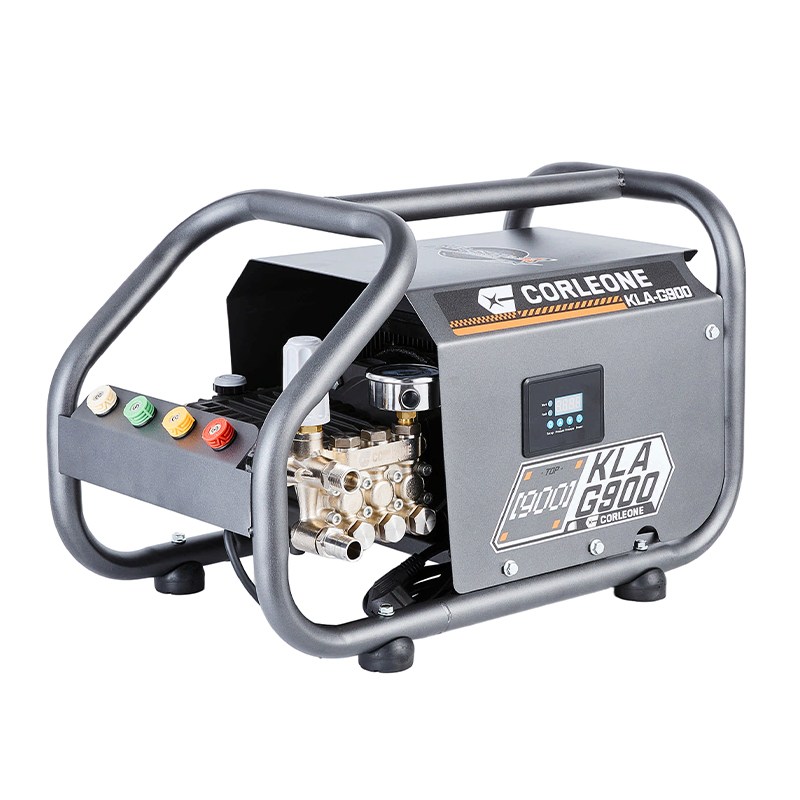
Introduction: The Heart of Your Machine
The pressure washer pump is undeniably the core component of your entire cleaning system. It is the precision engineered heart that transforms water into a powerful, high pressure stream. For industrial and commercial users, a pump failure does not just mean repair costs; it means significant downtime, lost productivity, and potential project delays. Founded in the year 2000, ZHEJIANG LVCHI MOTOR CO., LTD has specialized in manufacturing these critical components for over two decades. Through our experience, we understand that proper maintenance is the single most important factor in maximizing the service life and performance of your pressure washer pump. This guide provides essential tips to keep your pump operating at its peak for years to come.
The Critical First Step: Using Clean Water
One of the simplest yet most often overlooked maintenance practices is using a clean water source. The internal components of a pressure washer pump, including seals and valves, are precision machined to very fine tolerances. When you introduce water containing dirt, sand, or other abrasive sediments, these particles act like sandpaper, rapidly wearing down the seals and damaging the check valves.
To prevent this, always connect your pressure washer to a clean water supply. If you are drawing water from a well, a lake, or a rainwater tank, it is imperative to use an inline water filter. A simple, inexpensive filter can prevent thousands of dollars in cumulative damage over the life of the machine. Protecting your pump from contaminants at the point of entry is the first and most effective line of defense.
The Importance of Using the Correct Detergents
Not all cleaning chemicals are created equal, and using the wrong one can be catastrophic for your pump. Harsh, undiluted acids, bleach, or solvents can quickly degrade the pump's internal seals and valves, leading to leaks and failure. The chemical injector on your pressure washer is designed to draw in a diluted solution.
Always use detergents that are specifically formulated for use in high pressure washers. Follow the manufacturer's dilution instructions carefully. Never let concentrated chemicals sit in the pump. After using the soap function, always flush the system by running clean water through the chemical intake hose for a minute before shutting down the machine. This simple step removes any residual detergent that could cause corrosion or damage while the pump is idle.
Proper After Use Procedures: Preventing Internal Damage
What you do in the five minutes after you finish cleaning is just as important as what you do during the cleaning process. When you release the trigger gun, the water trapped inside the pump can become extremely hot due to recirculation, a phenomenon known as "dead heading." This heat can damage seals and other components.
Before turning off the machine, always trigger the gun to release the pressure and allow cool water to flow through the system for a moment. Furthermore, if you are operating in a climate where temperatures drop below freezing, it is absolutely critical to drain all water from the pump, hoses, and gun. Frozen water expands with tremendous force and will crack the pump housing or other components, resulting in irreparable damage. Store your unit in a frost free environment.
Regular Inspection and Care of Accessories
The pump does not operate in isolation; its health is directly connected to the condition of the accessories. A worn or damaged trigger gun, a leaking hose, or a clogged nozzle can cause pressure fluctuations that put undue stress on the pump. Inspect these components regularly for signs of wear, cracks, or leaks.
Pay special attention to the inlet water hose. Ensure it is not kinked and that the filter screen inside the inlet connection is clean. A clogged inlet filter will starve the pump of water, leading to cavitation—a condition where the pump runs dry internally, causing severe damage to the pistons and seals. A few minutes spent checking these accessories can prevent major internal pump repairs.
The Role of Pump Oil and Seasonal Maintenance
For oil lubricated triplex plunger pumps, which are common in industrial applications, regular oil checks are as vital as changing the oil in your car. The oil lubricates the crankshaft, connecting rods, and bearings, preventing overheating and metal on metal wear.
Consult your owner's manual for the specific type of oil required and the recommended change intervals. Typically, pump oil should be changed after the first 50 hours of use and every 500 hours or at least once per season thereafter. Check the oil level before each use. For machines with ceramic pistons, while they do not require oil, ensuring the seals are kept clean and the pistons are free of scale buildup is equally important for longevity.
Partnering with a Quality Manufacturer for Long Term Value
Ultimately, the foundation of a long pump service life begins with the initial quality of its construction. A pump built with precision machined components from durable materials like brass, aluminum, and stainless steel will naturally offer greater resilience and a longer operational lifespan. At ZHEJIANG LVCHI MOTOR CO., LTD, our commitment to in house manufacturing, utilizing over 50 advanced CNC machines, ensures that 90% of our pump parts meet stringent accuracy and quality standards.
This vertical integration translates directly to the stability and durability of the pressure washer pumps we produce. By choosing a machine from a manufacturer dedicated to high performance and reasonable cost, you are not just purchasing a tool; you are investing in a reliable partner for your business. Proper maintenance of a well built pump is the surest path to maximizing your return on investment and minimizing operational disruptions.
Table of Contents
- Introduction: The Heart of Your Machine
- The Critical First Step: Using Clean Water
- The Importance of Using the Correct Detergents
- Proper After Use Procedures: Preventing Internal Damage
- Regular Inspection and Care of Accessories
- The Role of Pump Oil and Seasonal Maintenance
- Partnering with a Quality Manufacturer for Long Term Value