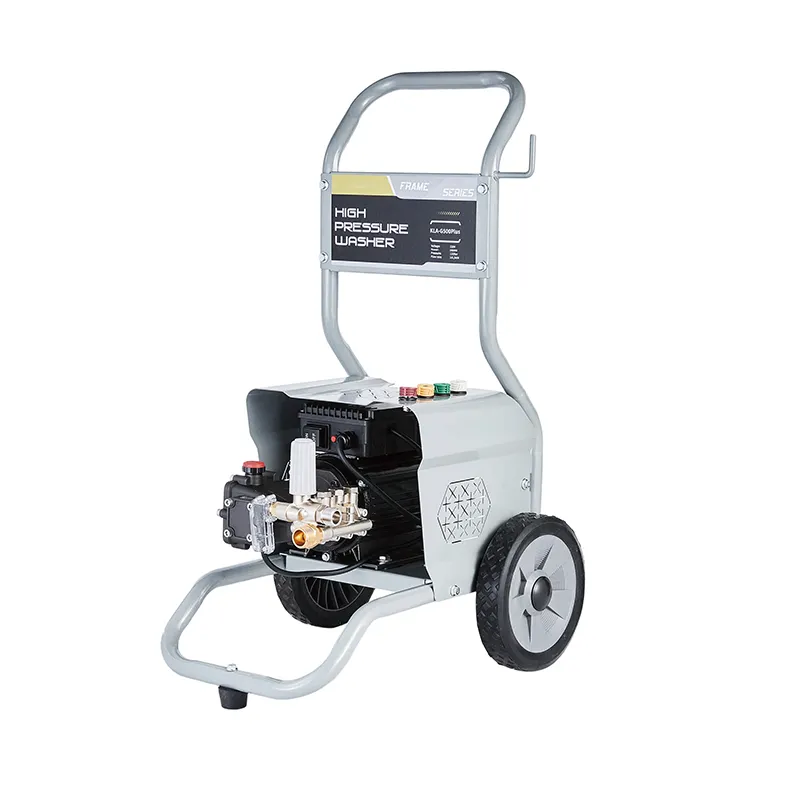
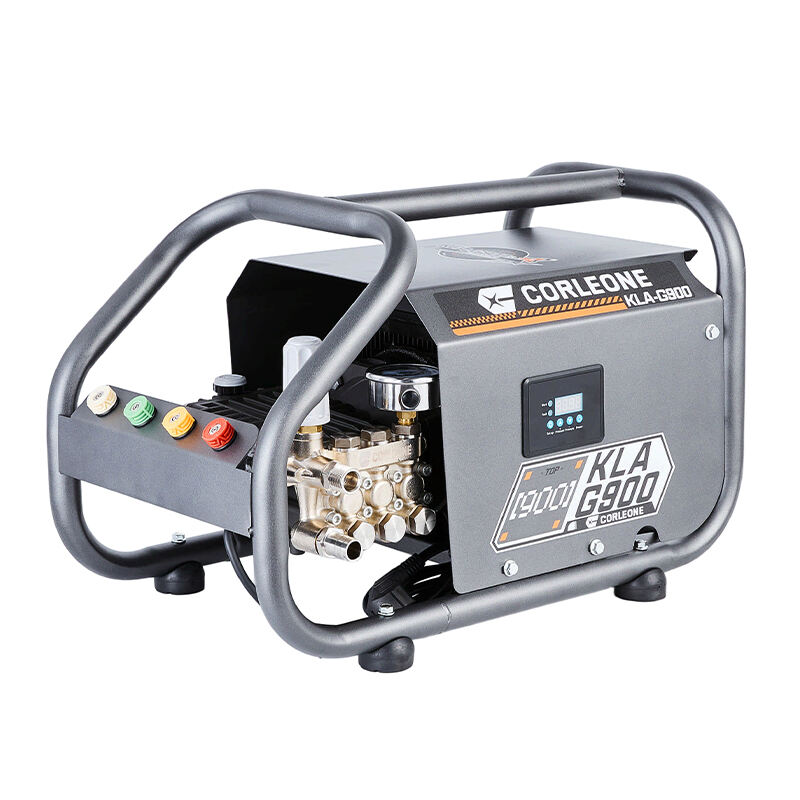
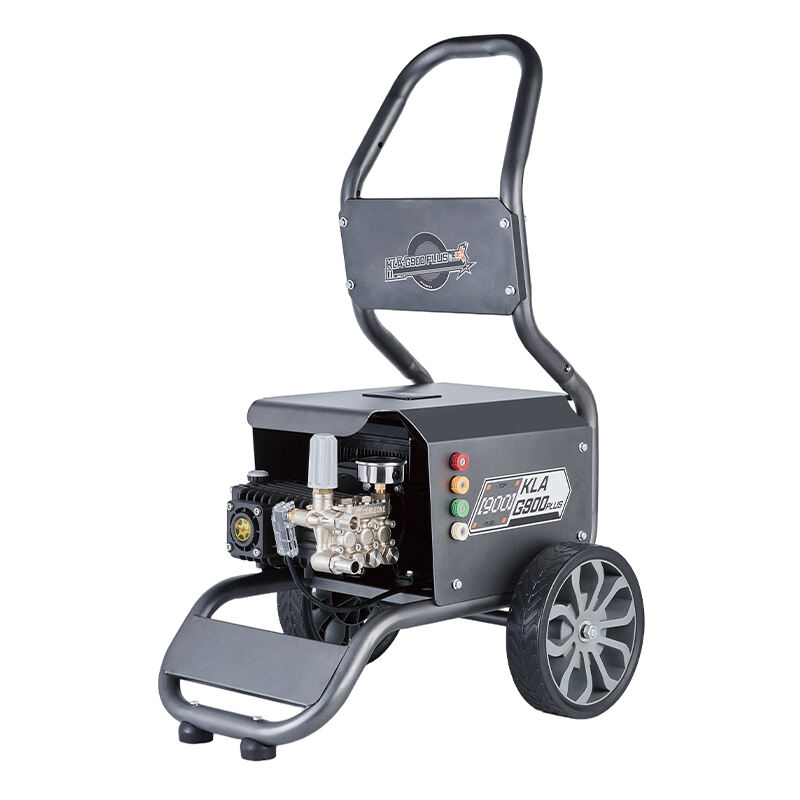
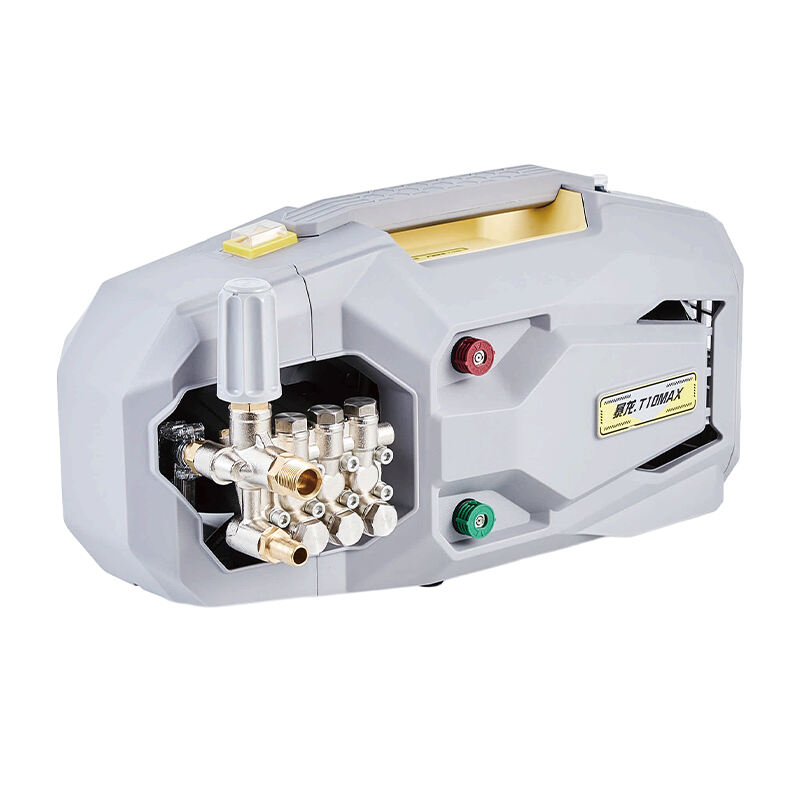
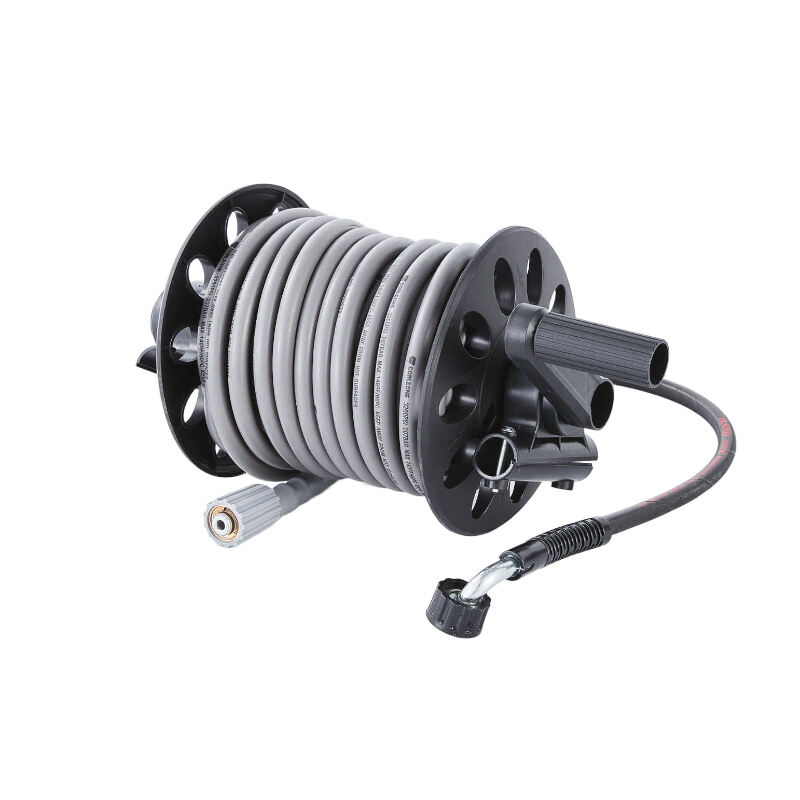
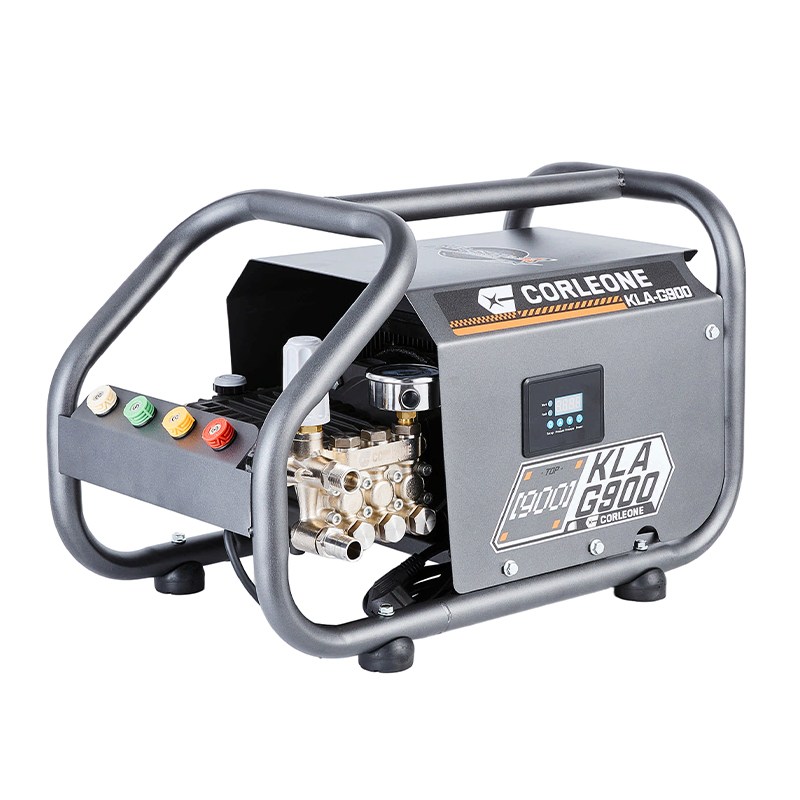
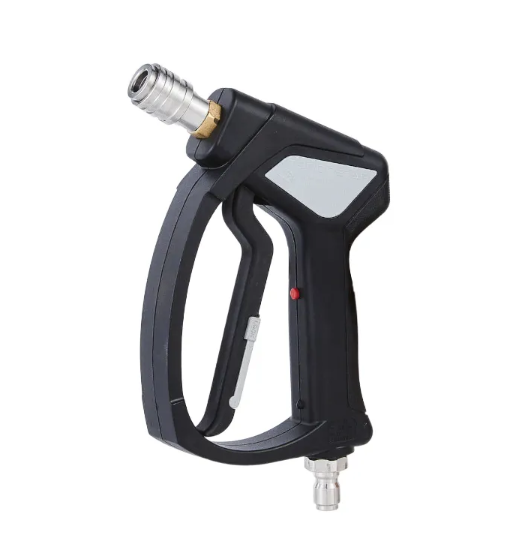
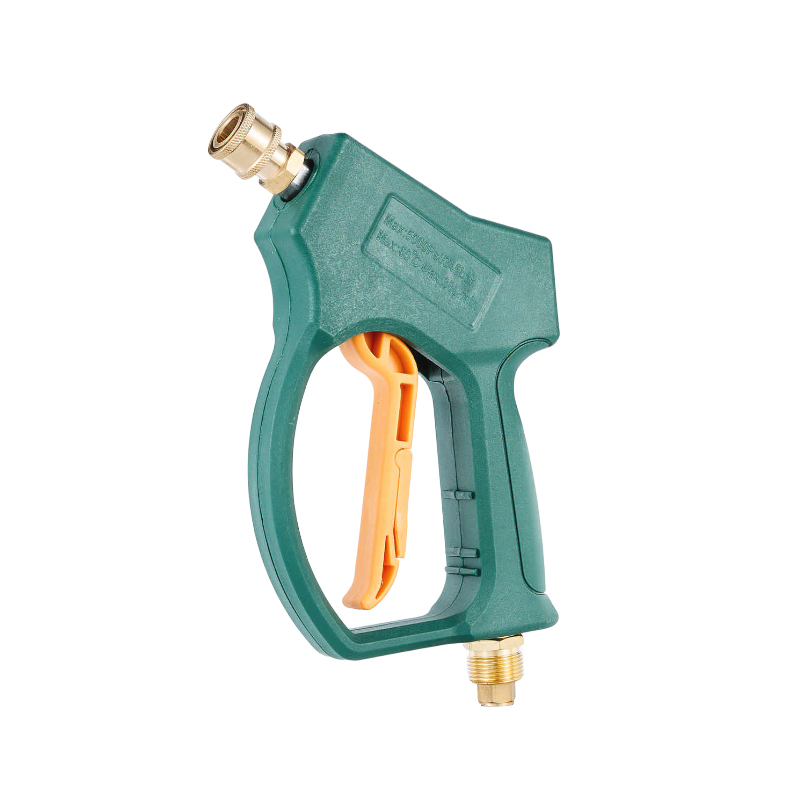
A pressure washer is a highly efficient mechanical system designed for surface cleaning and preparation, utilizing the kinetic energy of high-velocity water to dislodge and remove contaminants. At its core, the machine consists of a motor or engine that powers a high-pressure pump, which forces water from a standard garden hose supply through a narrow nozzle at immense velocity. This process transforms the water into a powerful jet, capable of blasting away substances like dirt, grime, mold, algae, loose paint, and chewing gum from a wide array of surfaces including concrete, wood, vehicles, and machinery. The performance of a pressure washer is primarily defined by two critical metrics: PSI (Pounds per Square Inch) and GPM (Gallons Per Minute). PSI measures the water's impact force, determining its ability to break the bond between the contaminant and the surface. GPM measures the flow rate, which is crucial for rinsing the debris away efficiently. A machine with high PSI but low GPM may clean a small area intensely but slowly, whereas a balanced combination ensures both effective cleaning and swift rinsing, a concept known as Cleaning Units (CU = PSI x GPM). Pressure washers are broadly categorized into electric and gas-powered models. Electric units are typically lighter, quieter, more compact, and ideal for light to medium-duty tasks around the home, such as cleaning patio furniture, decks, and cars. Their operational ceiling is generally lower, and they require a nearby power source. Gas-powered models offer significantly higher PSI and GPM, providing the portability and power necessary for heavy-duty commercial, industrial, and agricultural applications, including cleaning large warehouses, stripping paint from buildings, or degreasing heavy machinery. However, they produce emissions and require more maintenance. Operational safety and surface compatibility are paramount. Using too high a pressure or holding the nozzle too close can permanently damage softer surfaces like wood siding or automobile paint. Therefore, understanding nozzle types is essential; they are color-coded to indicate the spray angle (e.g., 0° for a pinpoint jet, 15° for a narrow fan, 25° for a wider fan, and 40° for a gentle wide spray for applying detergent). Furthermore, modern pressure washers often incorporate features like adjustable pressure settings, chemical injection tanks for applying soaps and disinfectants, and automatic shut-off systems to protect the pump. For a global audience, it is important to consider that water efficiency is a key benefit, as pressure washers use significantly less water than a standard garden hose for the same cleaning task, making them an environmentally conscious choice in regions with water scarcity. Proper maintenance, including using clean water, winterizing the pump to prevent freeze damage, and using fuel stabilizers for gas models, ensures longevity and reliable performance across diverse climates and use cases.
 EN
EN

 ONLINE