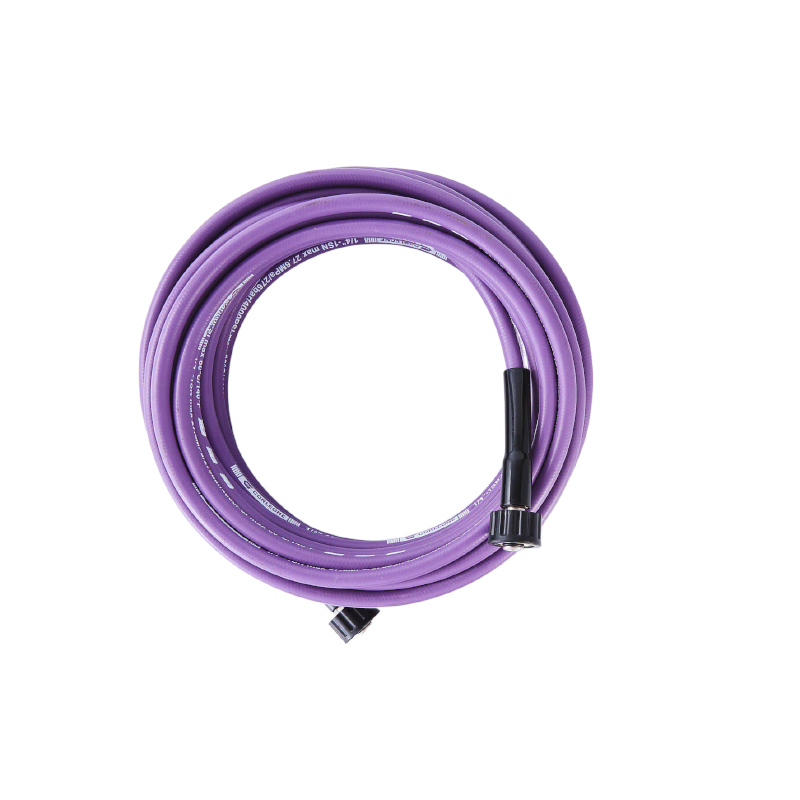
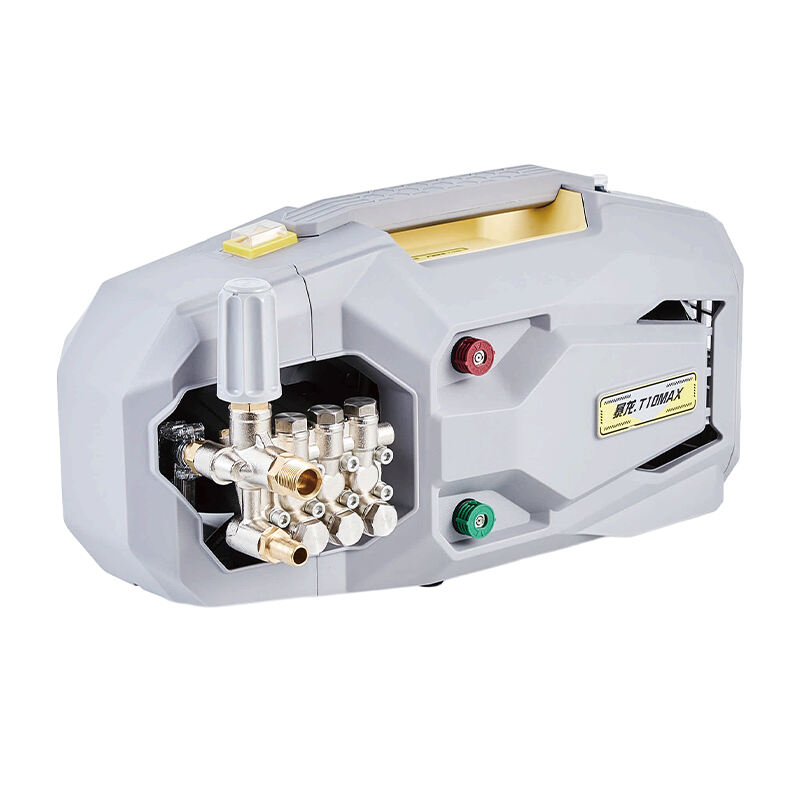
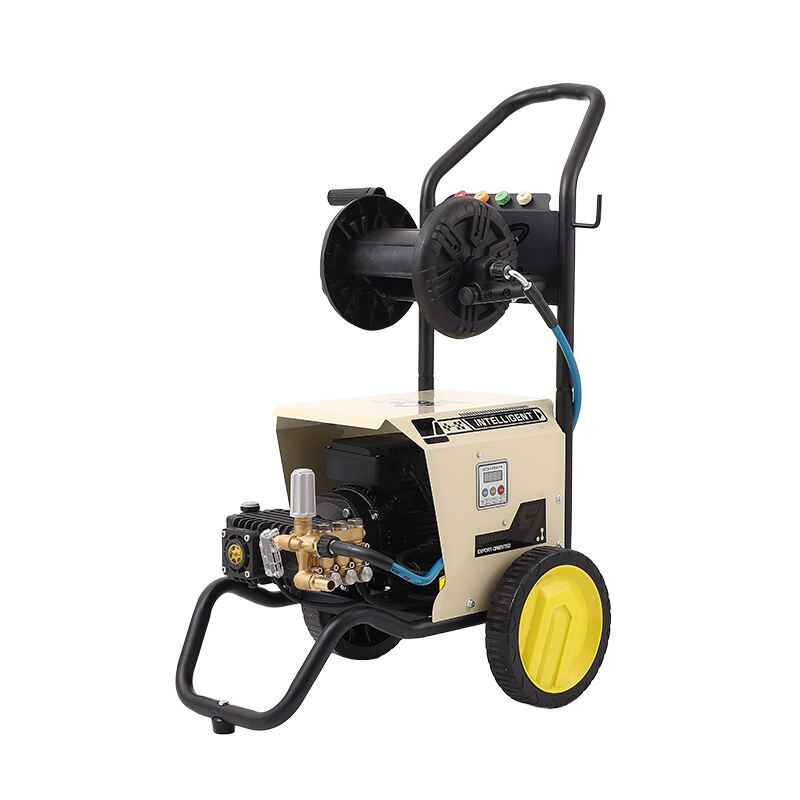
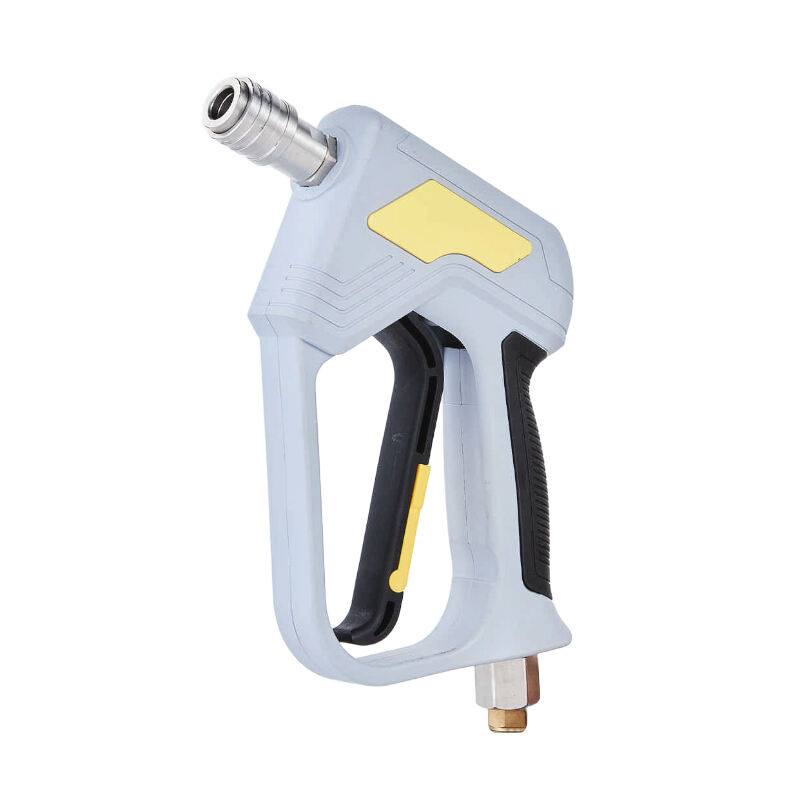
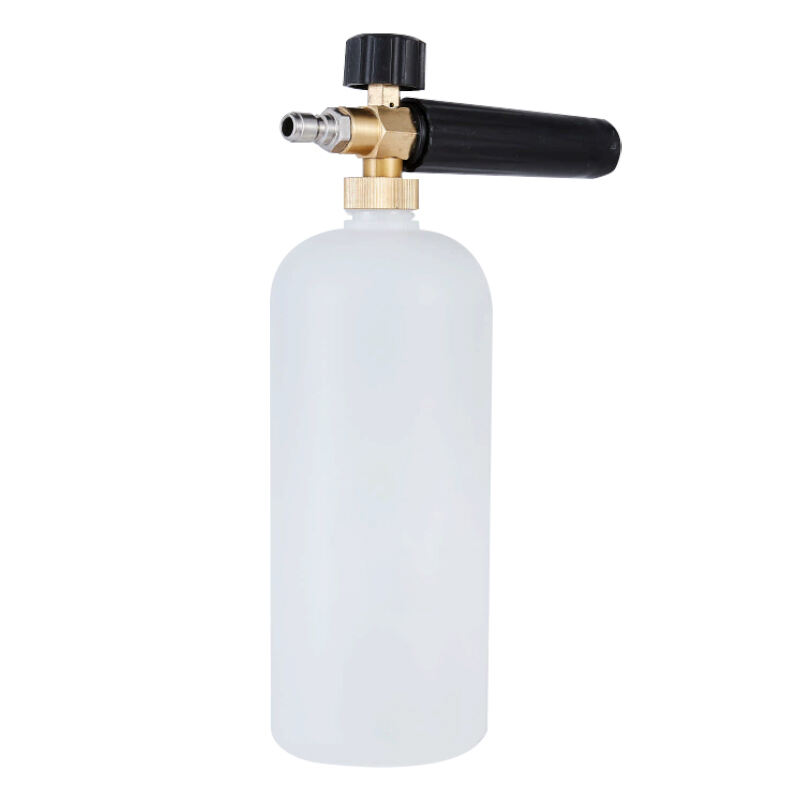
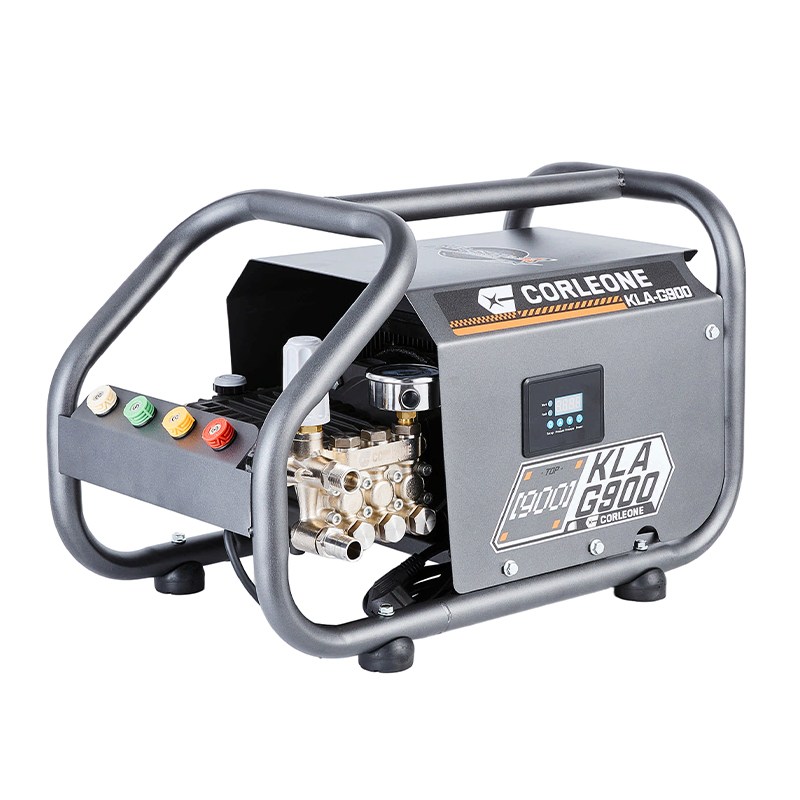
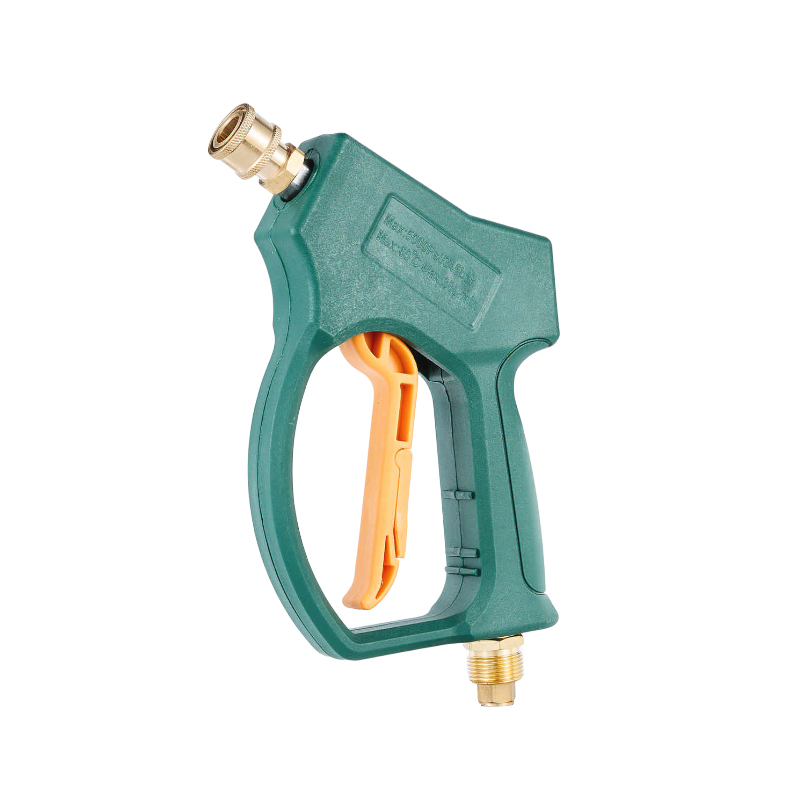
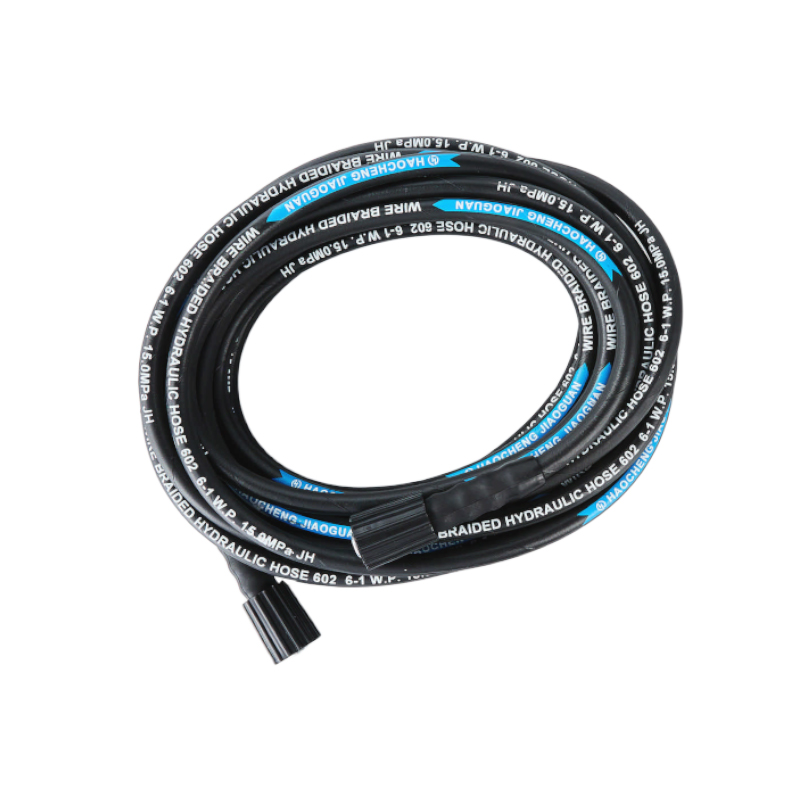
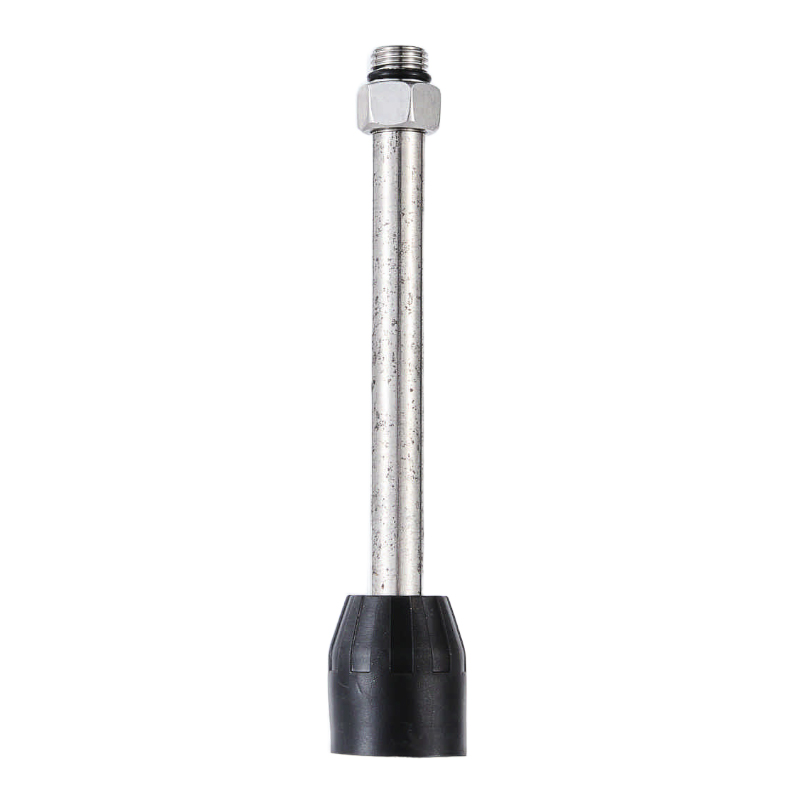
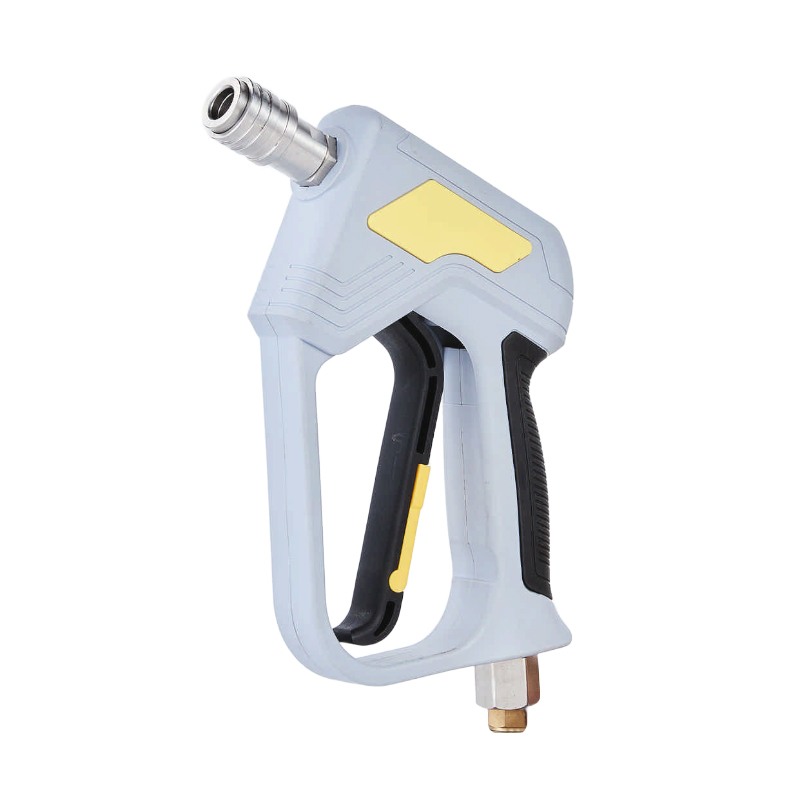
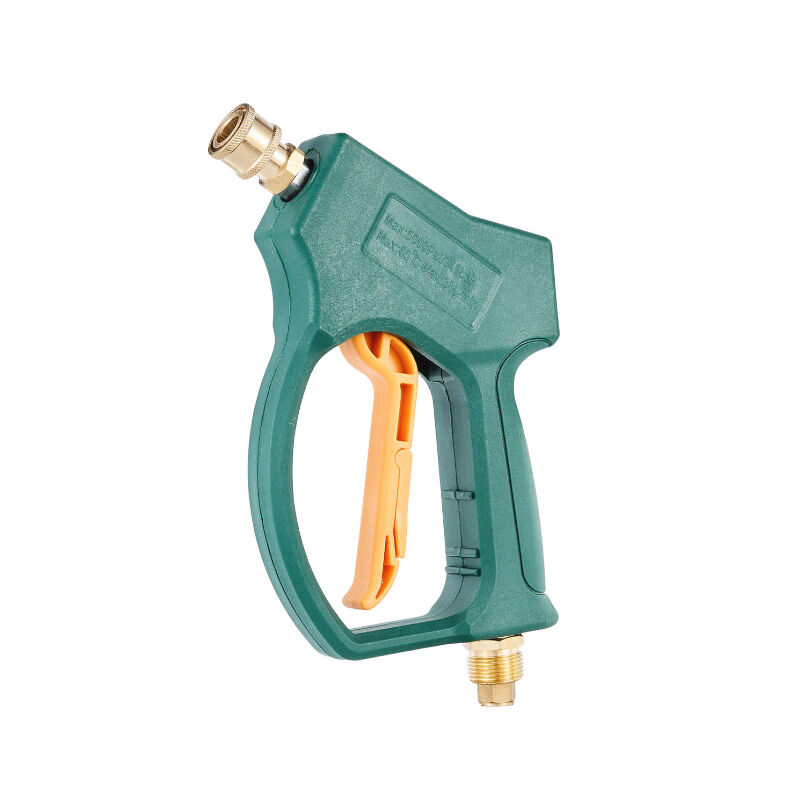
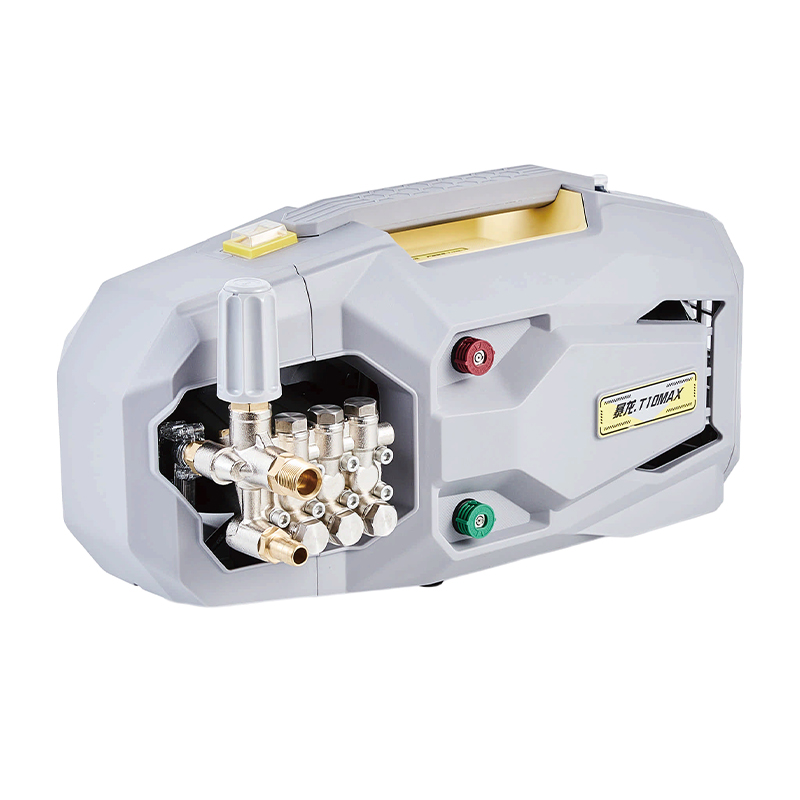
Pressure cleaner foam guns represent specialized application systems designed to generate thick, clinging foam from liquid cleaning solutions, significantly enhancing chemical effectiveness through extended surface contact time and controlled application. These precision tools typically feature adjustable foam density controls, chemical-resistant fluid paths engineered for various detergent types, and specialized nozzle configurations that create optimal foam expansion through precise air introduction. The operating principle involves venturi-effect aspiration that draws concentrated detergent into the water stream, combined with aerodynamic nozzle designs that create stable foam structures with expansion ratios between 4:1 and 12:1 depending on application requirements. Quality foam guns incorporate adjustable chemical metering systems allowing precise control over detergent concentration, multiple foam pattern settings for different surfaces, and corrosion-resistant components that withstand both alkaline and acidic cleaning solutions. The foam generation process requires precise balancing of water pressure (typically 1000-2000 PSI for optimal foam quality), chemical flow rate, and air introduction to create foam with optimal cling characteristics and controlled breakdown timing. Professional models may feature interchangeable nozzles for different foam types (from wet, quick-breaking foam for rinse-free applications to dry, long-dwelling foam for heavy soil), built-in filtration preventing nozzle clogging, and quick-connect systems for rapid attachment to pressure cleaner lances. The foam application technique is particularly valuable for automotive detailing, where thick foam lifts dirt without scratching; building exterior cleaning, where extended dwell time enhances chemical action on organic growth; and industrial equipment cleaning, where foam clings to vertical and overhead surfaces. At ZHEJIANG LVCHI MOTOR CO.,LTD, our manufacturing approach for pressure cleaner foam guns focuses on delivering consistent foam quality and reliable operation across diverse cleaning scenarios. We utilize chemical-resistant polymers in fluid contact areas, precision molding for consistent nozzle geometry, and rigorous testing of foam characteristics across different operating conditions. The manufacturing processes incorporate flow testing to verify consistent chemical aspiration, foam density measurement, and durability testing of all moving components. Our vertical integration allows control over material selection and production processes, ensuring foam guns deliver reliable performance with various cleaning chemicals while withstanding the demanding conditions of professional use.
ONLINE