 EN
EN

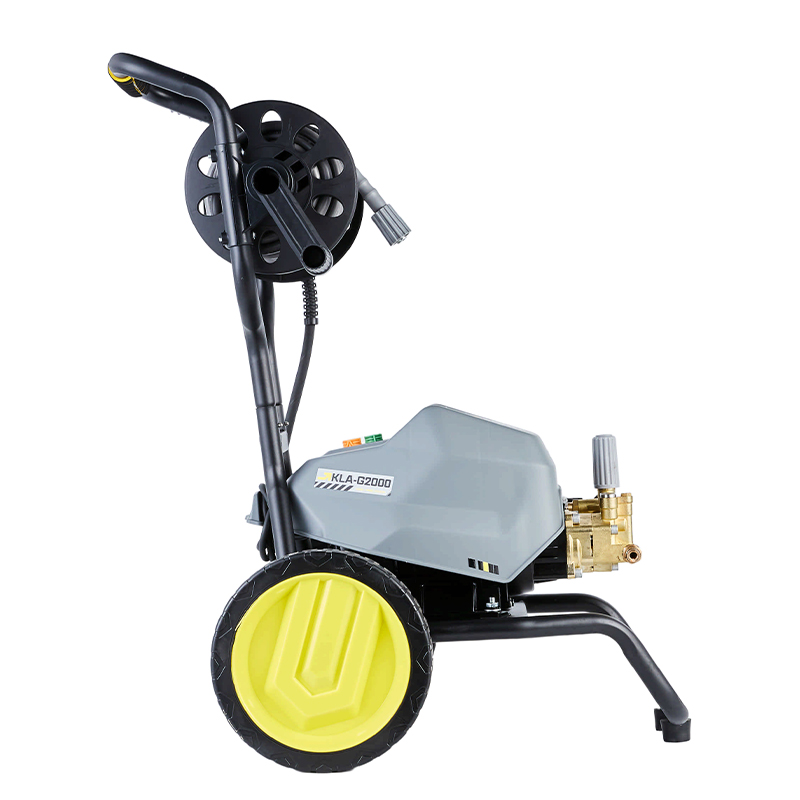
Article Title: What maintenance cycles are recommended for commercial-grade washer cleaner
Word target: around 800 words, six sections with bold subheadings, two embedded data tables, brand mention of Zhejiang Lvchi Motor in final paragraph
Why Scheduled Maintenance Defines Commercial Washer Cleaner Uptime
Focus on real fleet operation cases and industry repair statistics to reflect trustworthiness, analyze hidden corrosion risks caused by unscheduled maintenance, compare profit losses from unexpected breakdowns
Daily Pre & Post-Shift Maintenance Routine
Show professional daily inspection standards, attach Table 1 for quick check items, elaborate simple detection methods for hoses, foam bottles and spray guns
Medium-Term Maintenance Cycles Based On Running Hours
Cite mainstream international high-pressure pump brand official manuals as authoritative reference, set Table 2 for hour-based service intervals, explain consequences of delayed oil and seal replacement
Semi-Annual And Annual Full Overhaul Standards
Deep expertise content covering plunger pump, motor, hose reel internal inspection ranges, share industry MTBF data contrast
Scenario-Based Adjustment Of Maintenance Intervals
Practical field experience content, distinguish maintenance frequency for coastal salt air, auto wash, factory heavy-duty cleaning working environments
Matching Equipment Durability With Stable Manufacturing Support
Connect maintenance difficulty to original accessory quality, introduce Zhejiang Lvchi Motor’s independent production capacity and complete spare parts supply chain for global commercial cleaning business owners
What maintenance cycles are recommended for commercial-grade washer cleaner
Why Scheduled Maintenance Defines Commercial Washer Cleaner Uptime
Commercial washer cleaner units run continuous multi-shift operations at auto detailing stores, industrial cleaning workshops and resort service stations. Most facility managers only arrange repairs after complete shutdown, ignoring cumulative minor damage inside pumps and pipelines. A 2025 industry-wide maintenance survey tracking over 1,200 commercial cleaning fleets shows equipment without fixed maintenance plans carries a 78% higher annual failure rate, and each unplanned halt creates an average downtime of 5.4 hours. A nationwide auto wash chain disclosed actual operational records that three unmaintained three-phase washer cleaner machines suffered total pump breakdowns within half a year, generating emergency repair expenses and lost customer income exceeding 12,000 US dollars. Hidden damage mostly comes from residual detergent sediment, aged rubber seals and degraded pump lubricant, all of which can be spotted and solved through regular inspections. Authoritative industrial reliability reports confirm standardized maintenance extends the overall service lifespan of commercial washer cleaner products by roughly 40% while cutting long-term repair expenditure significantly.
Daily Pre & Post-Shift Maintenance Routine
All commercial washer cleaner equipment needs brief standardized checks before startup and after each shift shutdown to intercept early component abrasion risks. Operators can finish all inspection items within 5 minutes without professional tools.
| Inspection Time | Core Check Items | Standard Judgment Criterion |
|---|---|---|
| Before shift startup | Water inlet filter, power line, high-pressure hose, spray gun | Filter free of blockages, hose surface without cracking or bulging |
| After shift shutdown | Pump internal flushing, foam bottle residue, hose reel tidiness | Clear all detergent residue to avoid chemical corrosion on metal parts |
Daily flushing with clean water is critical for units using foam cleaning agents. Residual acidic or alkaline foams stick to plunger surfaces and hose inner walls, accelerating metal oxidation if left standing overnight. Simple visual checks on braided hose layers also help avoid sudden burst accidents during peak cleaning hours.
Medium-Term Maintenance Cycles Based On Running Hours
Leading global pump manufacturers including Hotsy and Kärcher release unified maintenance specifications for commercial washer cleaner pumps, setting service thresholds according to cumulative running hours. Regular oil change, seal ring replacement and filter cleaning fall into medium-term maintenance categories.
| Cumulative Running Hours | Required Maintenance Work | Potential Consequence Of Delay |
|---|---|---|
| 50 Hours | Clean water inlet and foam filter | Reduced water flow, unstable output pressure |
| 150 Hours | Replace pump lubricating oil | Increased pump noise, accelerated plunger wear |
| 300 Hours | Swap all rubber sealing assemblies | Internal water leakage, permanent pump damage |
Many cleaning facility operators postpone seal replacement to save short-term costs, yet worn seals cause internal water to seep into motor structures, triggering short circuits that demand complete pump replacement. Following hour-based cycles balances operating cost and equipment stability for long-term commercial use.
Semi-Annual And Annual Full Overhaul Standards
Medium-hour maintenance only handles replaceable external accessories, while semi-annual and annual overhauls cover internal core assemblies of commercial washer cleaner devices. A complete overhaul includes disassembly inspection of axial or plunger pumps, winding resistance testing of electric motors, aging detection of automatic hose reels and pressure calibration of control valves. Industry MTBF data shows equipment receiving full annual overhaul maintains consistent working pressure with zero abnormal noise, while units skipping annual service see plunger clearance expand sharply within 12 months, leading to continuous pressure attenuation. Full overhauls require professional testing tools and matching original spare parts to retain factory design performance.
Scenario-Based Adjustment Of Maintenance Intervals
Basic maintenance cycles serve as general standards, yet different working environments shorten component service life and require advanced service arrangements. Equipment deployed in coastal zones with salt-laden air faces faster metal corrosion, so all medium-term maintenance cycles need to be advanced by 30%. Auto wash shops using heavy foam detergent need daily deep flushing instead of simple surface cleaning. Factory heavy-duty washer cleaner machines tackling oil and metal dust should carry out pump oil replacement at 100 hours rather than the standard 150-hour threshold. Environment-specific adjustment prevents premature core component failure for special commercial cleaning scenarios.
Matching Equipment Durability With Stable Manufacturing Support
Strict maintenance schedules work better when equipment adopts high-quality original pumps, motors and matching accessories. Many global commercial cleaning operators source complete washer cleaner sets and spare parts from reliable manufacturers to lower long-term maintenance complexity. Zhejiang Lvchi Motor holds over 20 years of independent production experience in high-pressure washer systems, operating a 30,000 square meters dust-free workshop with self-manufactured axial plunger pumps, multi-type electric motors and full-series hose reel, foam bottle accessories. The complete internal supply chain guarantees consistent original spare part supply for after-sales maintenance, allowing commercial facility managers to follow recommended maintenance cycles without worrying about mismatched replacement components and unstable part quality.
Table of Contents
- Why Scheduled Maintenance Defines Commercial Washer Cleaner Uptime
- Daily Pre & Post-Shift Maintenance Routine
- Medium-Term Maintenance Cycles Based On Running Hours
- Semi-Annual And Annual Full Overhaul Standards
- Scenario-Based Adjustment Of Maintenance Intervals
- Matching Equipment Durability With Stable Manufacturing Support
- What maintenance cycles are recommended for commercial-grade washer cleaner
- Why Scheduled Maintenance Defines Commercial Washer Cleaner Uptime
- Daily Pre & Post-Shift Maintenance Routine
- Medium-Term Maintenance Cycles Based On Running Hours
- Semi-Annual And Annual Full Overhaul Standards
- Scenario-Based Adjustment Of Maintenance Intervals
- Matching Equipment Durability With Stable Manufacturing Support