 EN
EN

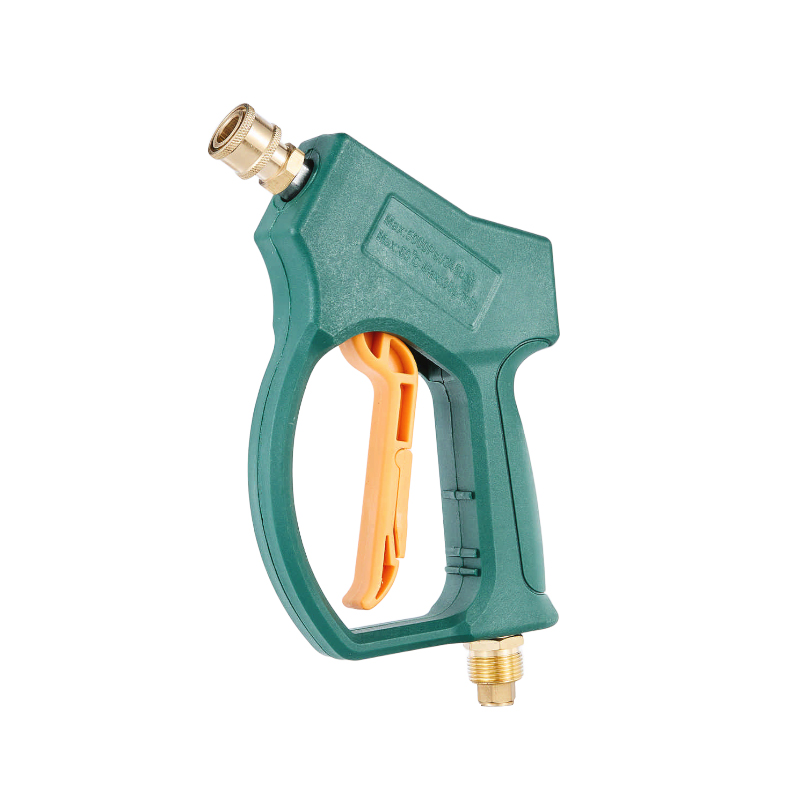
The $5,000 Mistake – When High Pressure Cost More Than It Cleaned
A premium detailing studio in Phoenix invested in a 4,000 PSI pressure washer, believing more pressure meant better cleaning. Within three months, they noticed micro-marring on ceramic-coated vehicles and two customers filed claims for clear coat damage. The studio owner had to re-coat three vehicles at a cost of $5,000—and lost those clients permanently. The problem wasn't the equipment quality; it was the application. The pressure was too high for delicate coatings, and the team had no calibrated nozzle system to dial it down.
This story is more common than most detailers admit. Over the past six years, our automotive detailing equipment team has consulted on over 150 studio setups across the US and Europe. The consistent finding is that the wow car wash effect isn't achieved through maximum specs—it comes from precision, control, and process discipline. Understanding what defines this premium outcome isn't just about equipment; it is about delivering a transformative experience that builds trust and keeps clients coming back.
Customer Expectations – Visual Brilliance, Tactile Perfection, and Instant Drying
For clients, a superior finish begins with uncompromised visual depth: a mirror-like gloss that amplifies metallic flake and reveals paint clarity. This result stems directly from meticulous surface prep—removing microscopic contaminants that dull reflectivity. Tactile perfection follows: a hand gliding over the panel should feel as slick as glass, free from embedded industrial fallout or bonded particles. A 2023 consumer perception study by a leading chemical manufacturer found that over 78% of customers equate paint smoothness with premium service quality.
The final sensory cue is instant drying—water transitions from sheeting to tight beading on a properly detailed surface, allowing high-volume air blowers to clear the vehicle rapidly. This behavior demonstrates hydrophobic integrity and prevents water spotting. Streak-free glass and trim complete the impression, transforming a routine wash into a transformative experience that defines the wow car wash effect.
Detailer Standards – Streak-Free Surfaces, Coating Safety, and Consistent Finish Quality
| Standard | What It Means | How It's Achieved |
|---|---|---|
| Streak-free finish | No residue on gloss surfaces | Precise chemical emulsification; multi-stage filtration |
| Coating safety | Preserve ceramic/graphene coatings | pH-neutral soaps; calibrated rinse pressure (<2,200 PSI) |
| Consistent quality | Identical results, Monday to Friday | Standardized dilution ratios; controlled dwell times |
From an operator's perspective, the wow car wash effect is a systematic outcome of risk mitigation and procedural discipline. The foundational standard is a streak-free finish on all high-gloss substrates—including piano black trims and tinted windows—achieved through precise chemical emulsification and rinse water purity, often supported by multi-stage filtration to prevent mineral deposition.
Coating safety is non-negotiable: aggressive media or high-alkaline pre-washes can micro-etch delicate ceramic or graphene coatings. Professional detailers mandate pH-neutral soaps and calibrated rinse pressures to preserve coating integrity and honor warranty specifications. Consistent finish quality seals the operational standard: reputable studios deliver identical results Monday morning and Friday afternoon. This repeatability is maintained through standardized dilution ratios, controlled dwell times, and pressure calibration. Such discipline transforms subjective artistry into a measurable, scientific protocol that reliably delivers the wow car wash effect.
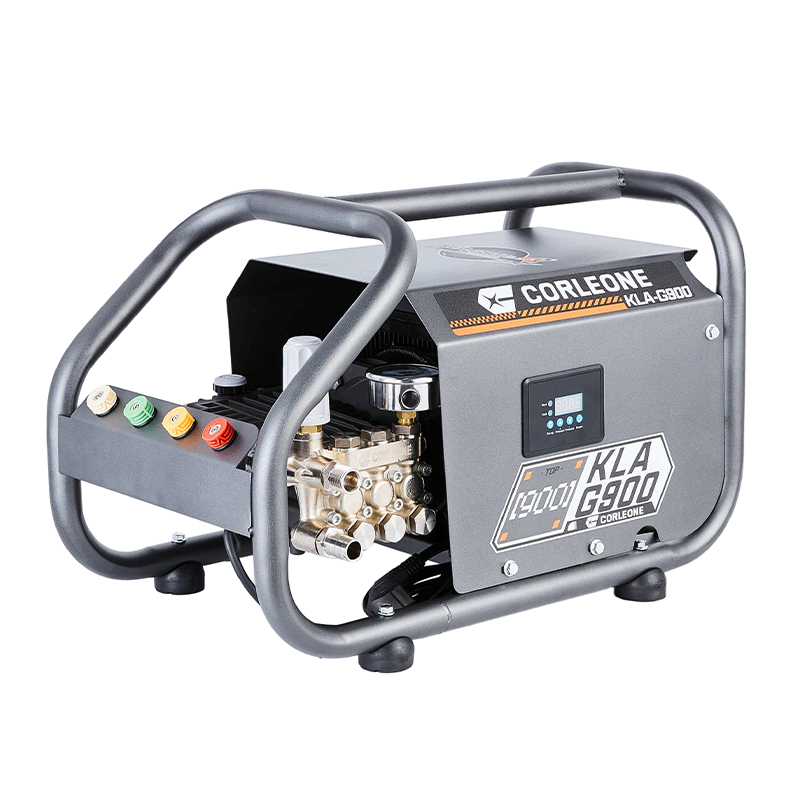
Commercial Pressure Washer Specifications – What Actually Matters
Optimal PSI and GPM Ranges for Paint and Ceramic Coatings
A pressure washer's cleaning power comes from the interplay of PSI (pounds per square inch) and GPM (gallons per minute). For auto detailing that delivers a wow car wash finish, PSI must dislodge brake dust and caked grime without compromising clear coats or ceramic coatings. The industry sweet spot lies at 1,500–2,000 PSI and 2.5–4.0 GPM. Lower PSI prevents micro-marring and etching; higher flow rates provide the hydrodynamic force needed to flush away loosened contaminants—reducing reliance on excessive pressure.
| Pressure Range | Application | Risk Level |
|---|---|---|
| <1,500 PSI | Pre-rinse; delicate surfaces | Low—safe for all coatings |
| 1,500–2,000 PSI | Main wash; ceramic coatings | Optimal—balances cleaning and safety |
| 2,000–2,200 PSI | Heavy grime; wheel wells | Moderate—limit exposure |
| >2,200 PSI | Industrial use only | High—can degrade hydrophobic coatings |
Ceramic coatings, in particular, demand restraint: sustained use above 2,200 PSI can degrade hydrophobic performance over time. By coupling moderate PSI with robust GPM, detailers achieve a streak-free, high-gloss surface that defines the wow car wash effect while preserving long-term coating value.
Nozzle Design, Water Temperature, and Flow Precision
Beyond raw pressure and volume, nozzle geometry, water temperature, and flow consistency directly influence final shine. A 40-degree fan nozzle disperses water widely and evenly, minimizing concentrated impact that could lift paint edges or strip protective layers. When paired with heated water (140°F–160°F), it emulsifies road oils and grease far more effectively than cold water—enabling detergent-free pre-rinsing in many cases.
| Nozzle Angle | Spray Pattern | Best Application |
|---|---|---|
| 0° | Concentrated jet | Stubborn grime (use sparingly) |
| 15° | Narrow fan | Wheel wells; heavy dirt |
| 25° | Medium fan | General washing |
| 40° | Wide fan | Final rinse; ceramic coatings |
Precision flow—delivered by commercial pumps with minimal pressure fluctuation—ensures uniform cleaning across panels; surging or pulsing can leave arcs of dirt or cause uneven coating wear. These factors may not dominate spec sheets, but they separate a passable wash from the jaw-dropping clarity and tactile smoothness that clients associate with a true wow car wash outcome.
Workflow Synergy – Pairing Pressure Washers with Pre-Wash Chemistry and Contactless Drying
Top detailers know the wow car wash effect emerges from synchronized processes—not isolated equipment specs. Pairing a high-flow pressure washer with foaming pre-wash chemistry loosens road film and grit without physical contact, preserving ceramic coatings. Immediately after rinsing, contactless drying systems—high-speed air blowers and heated forced-air units—eliminate streaks and water spots entirely.
| Process Step | Key Equipment | Purpose |
|---|---|---|
| Pre-wash | Foam cannon + pH-neutral soap | Loosen dirt; protect coating |
| Rinse | Pressure washer (1,500–2,000 PSI) | Remove loosened contaminants |
| Drying | High-speed air blower | Eliminate water spots; instant shine |
This sequence reduces per-vehicle time by up to 30% while elevating gloss and tactile perfection. When the pressure washer's flow precision aligns with optimal chemical dwell times and touchless moisture removal, the result is a flawless, repeatable finish that builds trust and drives customer loyalty.
Real-World Validation – Case Study: 27% Higher First-Visit Conversion
A premium detailing studio upgraded from a basic electric unit to a 3,200 PSI, 4.0 GPM gas-powered system with multi-calibrated nozzles. By adjusting the spray pattern to a 25-degree fan and limiting actual surface pressure to under 1,200 PSI—critical for protecting ceramic coatings—the team achieved a flawless, streak-free finish in one pass. Within three months, first-visit conversion rates rose by 27% (studio data, 2024). Faster drying, zero water spots, and immediate tactile gloss created the unmistakable impression of premium service—converting skeptical prospects into paying clients. This operational upgrade exemplifies how precise pressure control, flow management, and intelligent integration elevate both aesthetic outcomes and business performance.
Quality Assurance – Standards That Matter in Detailing Equipment
| Standard | Scope | What It Verifies |
|---|---|---|
| ISA Certification | Car wash equipment safety and performance | Operational reliability |
| ASTM D3359 | Coating adhesion testing | Paint/coating durability |
| UL / ETL | Electrical safety | Safe operation |
| ISO 9001 | Quality management system | Consistent manufacturing quality |
Engineering Partnership – What G-Honor Games Brings to the Table
Achieving a consistent, repeatable wow car wash effect requires more than selecting a pressure washer from a catalogue—it demands a manufacturing partner that understands detailing chemistry, water flow dynamics, and equipment reliability. G-Honor Games brings this integrated approach to pressure washer and detailing equipment manufacturing. Our units feature precision-calibrated pumps with minimal pressure fluctuation, multi-nozzle systems for application-specific spray patterns, and thermally regulated heating elements for consistent water temperature (140°F–160°F). We offer custom configurations—from mobile detailing units to fixed studio installations—with integrated filtration and chemical injection systems. Our quality assurance programme includes factory pressure testing, flow verification, and component durability validation. For detailing studio owners and mobile operators, this translates to consistent results, fewer equipment failures, and a reliable system that delivers the wow car wash effect—every single time.
FAQ
Q: What does the "wow car wash effect" mean?
A: It refers to a transformative auto detailing experience that exceeds customer expectations through visual brilliance, tactile smoothness, and a premium overall finish—achieved through scientific processes and equipment precision.
Q: What is the optimal pressure range for ceramic-coated vehicles?
A: The optimal range is 1,500–2,000 PSI. Sustained pressure above 2,200 PSI can degrade hydrophobic performance and micro-etch delicate coatings.
Q: What nozzle angle is recommended for professional detailing?
A: A 40-degree fan nozzle is recommended for final rinses and ceramic coatings as it disperses water widely and evenly. A 25-degree nozzle works well for general washing.
Q: How does heated water improve detailing results?
A: Water at 140°F–160°F emulsifies road oils and grease more effectively, enabling more efficient cleaning with reduced chemical reliance.
Q: What makes the wow car wash effect repeatable?
A: Repeatability comes from standardized dilution ratios, controlled dwell times, calibrated pressure, and integrated workflow—including pre-wash chemistry and contactless drying.
Q: What certifications should I look for in detailing equipment?
A: Look for ISA certification (car wash equipment standards), UL/ETL (electrical safety), and ISO 9001 (quality management).