 EN
EN

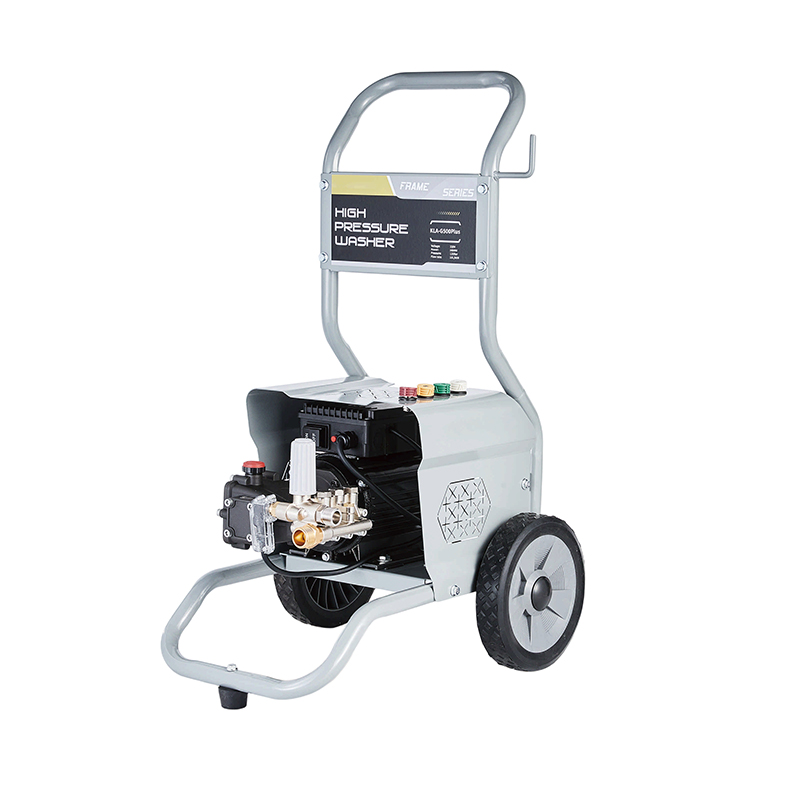
Choosing between an electric and gasoline jet wash (pressure washer) is a critical decision for small cleaning businesses. While the initial purchase price is a major factor, the Total Cost of Ownership (TCO) and Return on Investment (ROI) are what truly drive long-term profitability.
Upfront Investment Comparison
| Tier | Electric Jet Wash | Gasoline Pressure Washer |
| Entry-Level | $300 – $500 | $400 – $650 |
| Mid-Tier | $700 – $1,200 | $850 – $1,400 |
-
Market Insight: Electric models hold a clear pricing edge at entry levels. However, buyers should be aware that lower-priced electric units often feature plastic housings, whereas gasoline models in the same bracket usually offer more robust cast-aluminum pumps and steel frames.
The "Hidden" Costs of Electric Units
Visible savings can be deceptive. Industrial-grade electric units often require significant infrastructure:
-
Circuit Upgrades: Dedicated 240V circuits ($250–$500).
-
Safety Compliance: GFCI-protected outdoor outlets ($50–$100 each).
-
Essential Accessories: Industrial weather-rated extension cords ($90–$160).
-
Operational Constraints: Electric units lack the "plug-and-play" portability of gas models, making them best suited for stable, facility-based contracts.
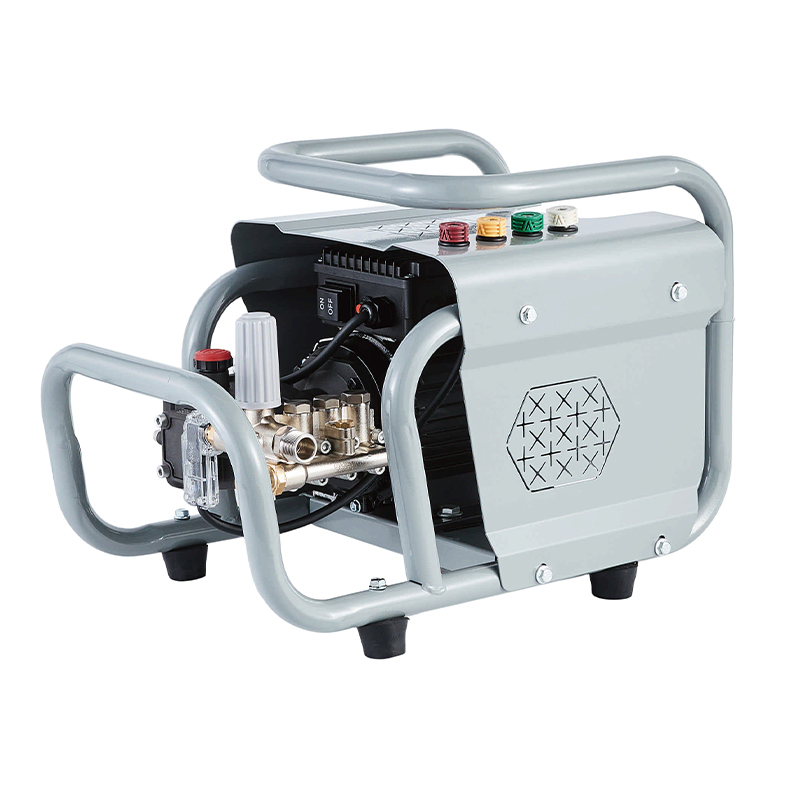
Operational Cost Efficiency: Why Electric Wins
The operational savings of electric systems are rooted in thermodynamic efficiency.
-
Energy Costs: A commercial electric unit costs roughly $0.07–$0.20 per hour to operate, compared to $3.50–$4.50 per hour for gasoline models (fuel consumption).
-
Maintenance Burden: Electric jet wash systems eliminate the need for oil changes, spark plug replacements, and carburetor servicing—resulting in 85% fewer unplanned maintenance events.
Performance Realities and Task Suitability
-
Electric (1200–2000 PSI): Ideal for routine commercial cleaning, hospital entrances, fleet maintenance, and sidewalk sanitation. It favors consistency and surface safety over brute force.
-
Gasoline (2000+ PSI): Better suited for heavy-duty tasks like paint stripping, de-scaling encrusted concrete, or off-grid remote site work.
ROI and Break-Even Modeling
For small businesses operating 15–20 hours per week, the transition to an electric jet wash system typically achieves full ROI within 22–28 months. Once past this break-even point, the 40% reduction in annual operating expenses contributes directly to net profit margins.
Frequently Asked Questions
Is an electric pressure washer cheaper to run than a gas one?
Yes. Electric units consume $0.07–$0.20/hour in energy, while gas models cost $3.50–$4.50/hour in fuel.
Do I need special electrical work for an industrial electric jet wash?
Often, yes. Most require dedicated 240V circuits and GFCI-protected outlets, which should be factored into your budget.
Can electric models handle heavy-duty tasks like paint stripping?
Generally, no. Electric units (1200–2000 PSI) are optimized for routine maintenance; gas units are better for heavy-duty, industrial-grade applications.
What is the expected ROI period for an electric system?
For cleaning businesses working 15–20 hours weekly, full ROI is typically achieved within 22–28 months due to lower fuel and maintenance costs.