 EN
EN

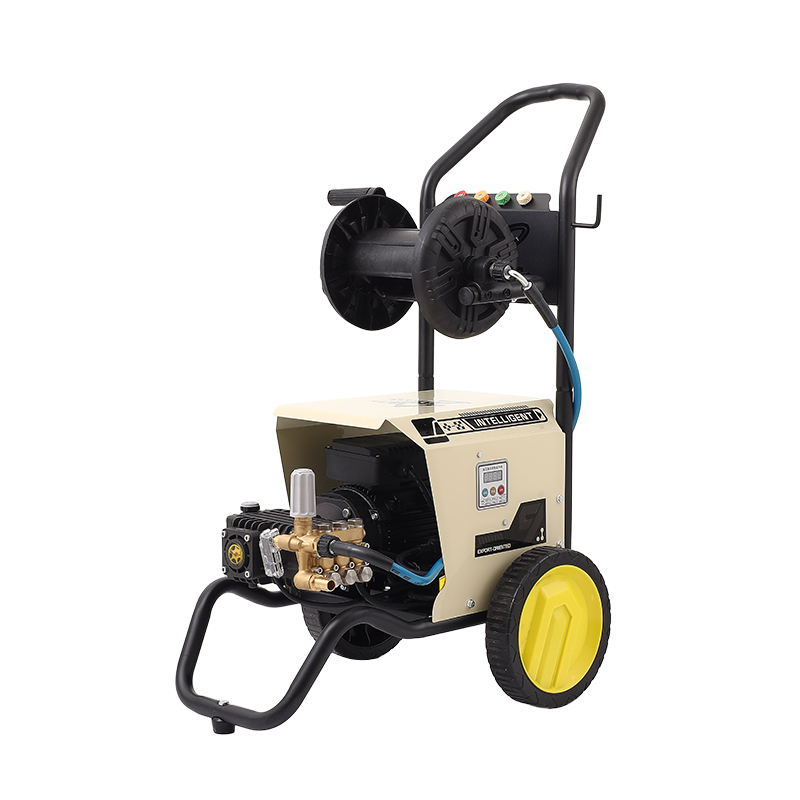
In agricultural environments, effective machinery maintenance relies on balancing mechanical force with system safety. Choosing the right pressure washer requires understanding that PSI (pounds per square inch) provides the force to detach debris, while GPM (gallons per minute) provides the volume to flush that debris away.
Pressure Optimization: Managing Force vs. System Integrity
The mechanical demands of farm equipment vary significantly across different zones of a single machine.
-
Tractor Undercarriages: Components like axles and transmission housings collect hardened mud, grease, and manure. Research confirms that 3,000+ PSI is necessary to break these stubborn bonds without manual labor.
-
Hydraulic Systems: These are sensitive to high-pressure intrusion. Exceeding 2,200 PSI risks seal rupture and internal contamination. Industry standards recommend keeping hydraulic connections at ≤1,800 PSI to prevent costly repairs.
The Optimal Daily Washdown Range
For routine cleaning of combines, balers, and sprayers, the most efficient operational window is 2,500–3,500 PSI paired with 2.5–4.0 GPM. Using high GPM in this range significantly improves cleaning speed and can reduce total water consumption by up to 35%.
| Parameter | Low Threshold | High Threshold | Primary Impact |
| PSI | 2,500 | 3,500 | Debris detachment force |
| GPM | 2.5 | 4.0 | Contaminant flushing efficiency |
Power Source Comparison
The choice between gas and electric units should be driven by your operating environment.
Gas Pressure Washers: Heavy-Duty Outdoor Use
Gas-powered units are the standard for large-scale operations.
-
Performance: They generate sustained 3,000+ PSI and 3.0+ GPM, ideal for caked-on field residue.
-
Flexibility: No dependence on electrical outlets allows for use in remote fields or storage yards.
-
Portability: Designed for rugged transport on trucks or trailers.
Electric Pressure Washers: Indoor and Confined Spaces
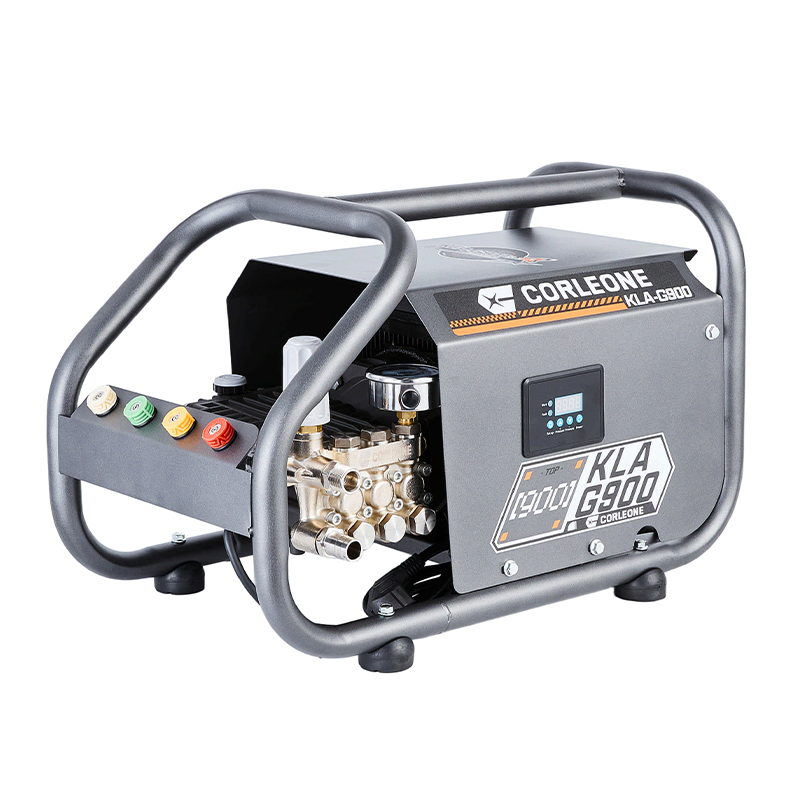
Electric units provide a clean, quiet, and low-maintenance alternative.
-
Safety: Zero emissions make them safe for barns, milking parlors, and animal housing.
-
Convenience: Near-silent operation and zero-maintenance motors (no oil or fuel) offer instant startup for routine tasks.
-
Best Use: Ideal for ATVs, seeders, and storage bins where fumes and noise are a concern.
Farm-Tough Durability: Engineering for Harsh Conditions
Agricultural environments are notoriously hard on equipment due to abrasive dust, corrosive fertilizers, and seasonal moisture. A "farm-tough" machine must prioritize these components:
-
Industrial-Grade Pumps: Look for triplex plunger pumps with brass or ceramic components. These resist abrasion from sediment-heavy water and run cooler during extended sessions.
-
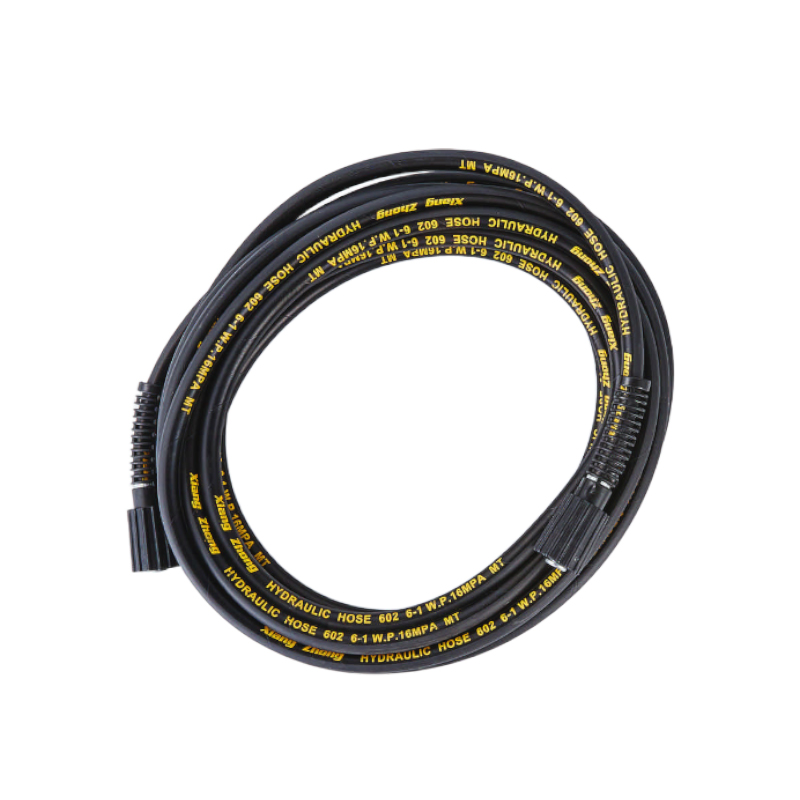
Reinforced Plumbing: Hoses should feature polymer or rubber jackets with braided steel or Kevlar reinforcement to withstand being dragged over gravel and mud.
-
Corrosion Resistance: Frames should be constructed from powder-coated heavy-gauge steel or stainless steel to survive exposure to chemical-laden environments and high humidity.
Strategic Deployment by Farm Scale
Aligning machine specifications with your actual cleaning frequency is the most effective way to maximize ROI:
-
Small Operations: Electric units (2,000–2,500 PSI) provide a cost-efficient solution for weekly maintenance of small implements.
-
Medium-Scale Operations: Mid-tier gas models (3,000–3,500 PSI) offer the portability and force required for frequent exterior and undercarriage cleaning.
-
Large Commercial Farms: High-flow, industrial-grade units with heavy-duty frames and pumps are required to withstand multi-shift, daily washdowns.
Frequently Asked Questions
What PSI is ideal for cleaning tractor undercarriages?
A pressure of 3,000+ PSI is recommended to effectively remove tightly packed mud, grease, and manure without the need for manual scraping.
How do PSI and GPM work together during equipment washdown?
PSI is the force used to detach debris, while GPM is the volume used to flush that debris away. The optimal balance of 2,500–3,500 PSI and 2.5–4.0 GPM ensures efficient, sustainable cleaning.
Are gas pressure washers better suited for large-scale farms?
Yes. Gas units provide the high runtime, high pressure, and mobility necessary for large-scale outdoor machinery maintenance where electrical infrastructure is unavailable.
What are electric pressure washers best used for?
Electric units are best for indoor cleaning tasks, such as barns and milking parlors, because they operate quietly and produce zero emissions.
What features make pressure washers durable for farm use?
Look for industrial-grade triplex pumps, reinforced hoses (braided steel/Kevlar), and corrosion-resistant frames (powder-coated/stainless steel) to ensure longevity in harsh agricultural conditions.