 EN
EN

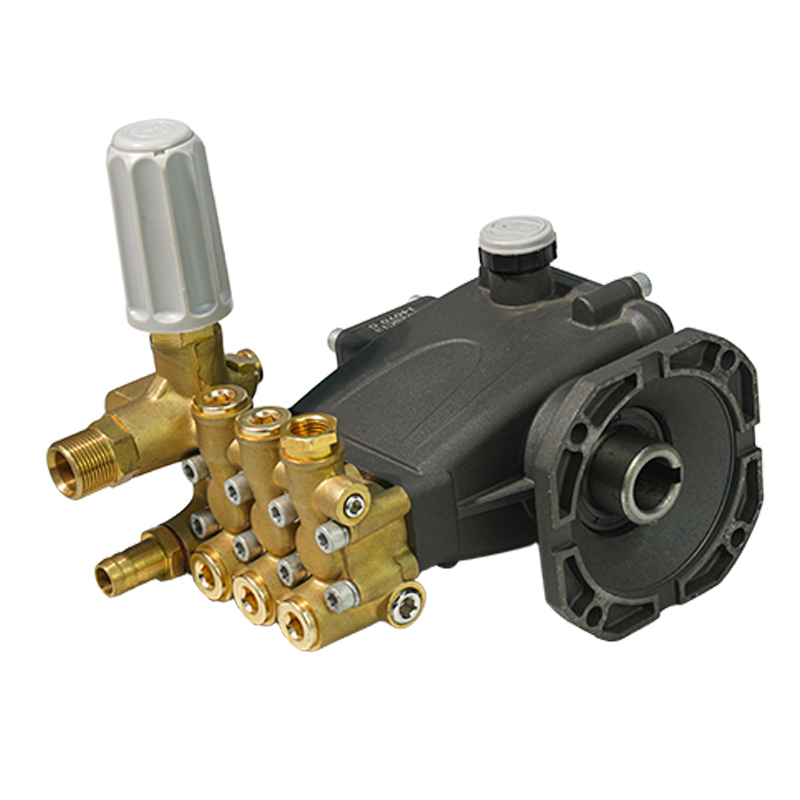
Pump Type and Design: Foundation of Operational Efficiency
Comparison of Axial Cam, Triplex, and Direct Drive Pressure Washer Pump Designs
Axial cam pumps work through what's called a wobble plate mechanism that turns circular motion into straight line plunger action. These pumps are pretty light weight and budget friendly, so they're great for people who only need them now and then around the house. Triplex pumps take things further with their three plungers working together. They give about 25 to 35 percent better pressure consistency and can handle pressures as high as 4,000 pounds per square inch, which makes them good choices for businesses needing serious pumping power. Direct drive systems simply attach the motor right onto the pump shaft itself. These run between 2,800 and 3,400 revolutions per minute, which really boosts water flow rates needed for jobs like washing big decks or patios. A recent study from 2023 found that triplex pumps kept about 90% of their efficiency even after running non stop for 500 hours, beating out axial cam models by roughly 22% when put through intense wear tests.
How Pump Type Influences PSI, GPM, and Overall Efficiency
Triplex pumps work best when they're operating somewhere between 1,200 to 3,000 pounds per square inch with flow rates ranging from about 2 to 5 gallons per minute. These specs make them pretty good for tough industrial cleaning jobs where things like old coatings need to be stripped away. The axial cam versions tend to shine around the 1,500 to 2,200 PSI range, though operators often notice a noticeable drop off in performance once the flow goes past 3 GPM, usually around 15 to 20 percent less efficient. Direct drive systems take a different approach altogether, focusing more on getting higher volumes out there rather than maxing out pressure levels. They typically produce anywhere from 4 to 8 GPM at pressures between 1,300 and 1,800 PSI which works great for those big scale surface cleaning operations. According to folks who know what they're talking about at Hydro-Quip, it's generally wise to pick pumps that stay within about 75% of their so called Best Efficiency Point (BEP). This helps cut down on both energy costs and wear and tear on the machinery over time.
RPM, Temperature, and Durability Variations Across Pump Designs
Direct drive pumps spin pretty fast, usually around 3,000 to 3,600 RPM, so they need those special ceramic seals that can handle temps going up to 140 degrees Fahrenheit. Triplex pumps are different though. They run slower, somewhere between 800 and 1,800 RPM, which means they stay much cooler. The bronze manifolds help spread out the heat really well, so plungers don't get hotter than 120 degrees F even after running all day for eight hours straight. Axial cam pumps tell another story altogether. These bad boys experience wild temperature swings. When switching back and forth between no load and full pressure, internal temps can jump as much as 40 degrees above what's normal in the surrounding environment. That kind of fluctuation makes them tricky to work with in certain applications.
Matching Pressure Washer Pump Type to Application Demands
When it comes to cleaning cars and patios around the house, axial cam pumps tend to work pretty well for most folks. These pumps generally last between 500 to maybe 1,200 hours before needing replacement, and they put out about 2.5 gallons per minute which is just right for regular maintenance tasks. For those tougher jobs like removing graffiti or dealing with stubborn industrial grime, triplex pumps make much more sense. They can handle far longer periods of operation, often lasting anywhere from 3,000 up to 5,000 hours, while maintaining a steady flow rate of roughly 3.5 to 4 gallons per minute. And if someone runs a commercial car wash where machines operate 6 to 8 hours each day, there's really no substitute for direct drive systems featuring those big bearings and stainless steel valves. These components help ensure the equipment survives all those repeated cycles year after year without breaking down prematurely.
Pressure and Flow Dynamics: Optimizing PSI and GPM Performance
Understanding Pump Performance Curves: Flow Rate vs. Head Pressure
When looking at how efficient pressure washer pumps really are, performance curves offer the clearest picture by showing how flow rate (GPM) relates to head pressure (PSI). What these graphs actually reveal is pretty interesting for anyone working with industrial systems. Most operators notice something strange happening around the 2,500 PSI mark - typically there's about a 20 to 30 percent drop off in water output. And things get even worse past that point. Once we hit roughly 85% of what the pump was rated for, efficiency plummets fast because the internal components start fighting against each other. Flow paths become restricted while friction builds up inside, making the whole system work harder for less results.
The Interplay Between PSI, GPM, and Hydraulic Efficiency
The relationship between PSI and GPM works inversely for most pumps out there. When pressure goes up around 15%, flow tends to drop roughly 9% in those triplex plunger setups we see so often. The impact on actual cleaning performance is pretty significant too. Take a look at real world numbers from field tests rather than just theory books: systems running at 4 gallons per minute with 3,000 pounds per square inch clean surfaces about 23% quicker compared to units only moving 2.5 GPM under identical pressure conditions. Smart engineers work through these tradeoffs daily, adjusting gear ratios against what the motors can handle while trying to keep things running efficiently without throwing away valuable performance metrics along the way.
Internal Flow Dynamics and System Losses Under Operational Load
When valves start chattering and water flows get too turbulent, these issues can actually cause around 12 to 18 percent energy loss in pressure washer pumps during their busiest moments, according to some pretty detailed fluid dynamics studies. Axial cam pumps handle this problem better because they have those special pressure relief channels built in stages, which lets them keep about 94% efficiency even when spinning really fast. The situation looks different for direct drive models though. Once they hit over 1,800 RPMs, they tend to produce roughly 22% more heat than other systems, and that extra warmth doesn't do much good for the seals inside. Keeping an eye on flow rates between 15 and 22 feet per second makes all the difference. Real time monitoring isn't just helpful it's essential for reducing wear and tear while still getting decent performance out of the equipment.
Component Wear and Mechanical Efficiency Over Time
Seal, Valve, and Plunger Wear Impacts on Mechanical Efficiency
When parts degrade from constant friction and repeated loading cycles, we're looking at around a 2.3% drop in efficiency for every 100 hours of operation according to those wear simulations published in Nature last year. The seals start letting fluid escape which messes with pressure stability, and when plungers wear down they create all sorts of inconsistent flow patterns. Brass check valves aren't immune either losing roughly between 15 to 20% of their sealing ability after just 300 hours working under those intense 3,000 PSI conditions. What recent testing has shown is that as these components break down, the whole hydraulic system gets out of sync, causing energy consumption to creep up anywhere from 8 to 12 percent even before anyone notices any real decline in how things perform.
Material Durability: Plastic vs. Brass vs. Stainless Steel in Pressure Washer Pumps
Material choice significantly influences component longevity:
| Material | Average Lifespan (Hours) | Corrosion Resistance | Cost Factor |
|---|---|---|---|
| Plastic | 400–600 | Moderate | 1x |
| Brass | 1,200–1,800 | High | 2.5x |
| Stainless Steel | 3,000+ | Exceptional | 4x |
Stainless steel plunger shafts show 82% less radial wear than brass in 2,000-hour stress tests, and ceramic-coated valves extend service intervals by 300%. Research indicates advanced coatings reduce surface friction by 40%, making stainless steel a cost-effective long-term investment despite higher initial costs.
Fluid Characteristics and Environmental Influences on Pump Operation
Effects of water quality, temperature, and chemical additives
The quality of water has a major impact on how long pumps will last. Hard water contains dissolved minerals that tend to break down seals faster than expected, sometimes cutting their lifespan by around 15 to 20%. When temperatures fluctuate, it changes how fluids behave inside the system. Cold water gets thicker, making it harder for pumps to move through piping systems. Some studies show cold water can thicken by about 30%. On the flip side, when water gets too hot (over 120 degrees Fahrenheit), it starts eating away at plastic components much quicker. Many maintenance teams have learned this the hard way after replacing damaged parts repeatedly. Cleaning solutions are another concern altogether. Those with really high or low pH levels, or containing chlorine compounds, need special attention when selecting compatible materials for pump construction. Getting this wrong leads to costly repairs down the road.
| Fluid Property | Impact on Pump Components |
|---|---|
| pH < 5 | Corrodes brass valves |
| pH > 9 | Weakens polymer seals |
| Chlorides >500 ppm | Pits stainless steel plungers |
As seasonal temperature variations affect viscosity, operators must adjust nozzle sizes by 10–15% to sustain optimal GPM, per viscosity studies.
Cavitation risks and viscosity challenges in high-pressure systems
When dealing with thick fluids above 50 centipoise, cavitation happens roughly 2.3 times more often than with thinner liquids. These situations create vapor bubbles that implode at staggering pressures over 60,000 psi, which can eat away at metal components in just about 100 hours of operation. For these high viscosity substances, engineers typically need to enlarge inlet ports by around 18 to 25 percent to avoid running out of suction power. Industry standards for corrosion resistant materials back this approach. The sweet spot for most systems lies between 5 and 30 centipoise where proper lubrication forms protective layers against wear. Fluids below 5 centipoise don't provide enough lubrication, leading to about 40% more wear problems in triplex pump operations according to field reports. Modern installations are increasingly using conductivity sensors for real time monitoring, cutting down on cavitation issues by approximately 92% across various commercial applications according to recent maintenance records from manufacturing facilities.
Best Practices for Maintenance and Long-Term Performance
Routine Maintenance to Prevent Premature Pressure Washer Pump Failure
A structured maintenance program extends pump life by 30–50% compared to reactive repairs (Fluid Handling Institute 2023). Key practices include:
- Weekly seal inspections to catch abrasion from particulates
- Bi-monthly lubrication of camshaft bearings using manufacturer-recommended grease
- Chemical flush cycles after detergent use to prevent valve corrosion
Startup, Shutdown, and Duty Cycle Guidelines for Optimal Operation
Cold starts contribute to 62% of thermal shock failures in axial cam pumps. To mitigate risk:
- Gradually warm pumps to 100°F (38°C) before full operation
- Limit consumer-grade units to <80% of rated duty cycle during driveway cleaning
- Bleed air from the system after every 30 minutes of continuous use
Diagnosing Issues Using Performance Trends and Efficiency Monitoring
A sustained 10% drop in PSI often indicates plunger wear, while erratic GPM suggests failing check valves. Operators should monitor key metrics:
| Metric | Normal Range | Alarm Threshold |
|---|---|---|
| PSI Consistency | ±5% variance | >15% deviation |
| Water Temp | 120–140°F (49–60°C) | >160°F (71°C) |
| Cycle Efficiency | 85–92% | <75% sustained |
Tracking these parameters enables predictive maintenance, reducing unplanned downtime by 40% compared to time-based schedules.
FAQ
What are the main types of pressure washer pumps discussed?
The main types of pressure washer pumps discussed are axial cam pumps, triplex pumps, and direct drive pressure washer pump designs.
How does the pump type affect PSI and GPM?
Pump type directly impacts PSI (pounds per square inch) and GPM (gallons per minute). Triplex pumps operate best between 1,200 to 3,000 PSI, axial cam pumps shine between 1,500 to 2,200 PSI, and direct drive systems focus on high water flow with less emphasis on pressure.
What factors influence the durability of pressure washer pump components?
The durability of components is influenced by material type, with stainless steel being more durable than brass or plastic. Usage, maintenance, and the quality of water and chemicals used also play significant roles.
How often should routine maintenance be performed on pressure washer pumps?
Weekly seal inspections, bi-monthly lubrication, and chemical flush cycles after the use of detergents are recommended for maintaining optimal pump performance.
Why is it important to monitor performance trends and efficiency?
Monitoring helps in identifying issues like plunger wear or failing check valves early, allowing for predictive maintenance which reduces unplanned downtime.
Table of Contents
- Pump Type and Design: Foundation of Operational Efficiency
- Pressure and Flow Dynamics: Optimizing PSI and GPM Performance
- Component Wear and Mechanical Efficiency Over Time
- Fluid Characteristics and Environmental Influences on Pump Operation
- Best Practices for Maintenance and Long-Term Performance
-
FAQ
- What are the main types of pressure washer pumps discussed?
- How does the pump type affect PSI and GPM?
- What factors influence the durability of pressure washer pump components?
- How often should routine maintenance be performed on pressure washer pumps?
- Why is it important to monitor performance trends and efficiency?