 EN
EN

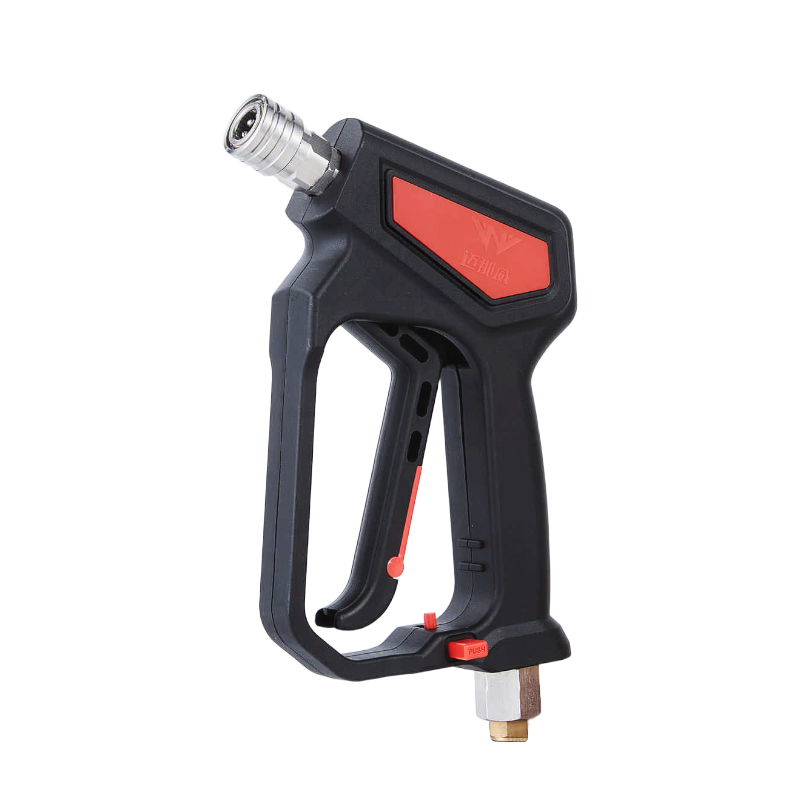
Enhanced Efficiency for Large-Area Cleaning with Pressure Washer Surface Cleaners
Time Efficiency of Surface Cleaners Compared to Regular Wands
Pressure washer surface cleaners cover 3–5x more area per pass than traditional wands, according to industry testing (Bob Vila 2025). A 15-inch model cleans approximately 40 ft² per minute—significantly faster than the 10–15 ft² achieved with standard wands—reducing project durations by 50–70% on tasks like driveway cleaning.
Increased Productivity in Large-Area Cleaning with Pressure Washer Surface Cleaner
Commercial operators complete parking garage jobs twice as fast using surface cleaners, especially when equipped with units rated for 2,200–4,500 PSI that maintain speed even on tough stains. This boost in productivity translates to labor cost savings of $18–$25/hour per worker in contracted cleaning operations.
High Cleaning Efficiency Through Rotary Spray Patterns
Professional-grade surface cleaners use a dual-nozzle rotary system that ensures uniform pressure distribution, eliminating the missed spots common with handheld wands. Testing shows these systems achieve 98% contaminant removal on concrete at 3,100 PSI, compared to 82% with oscillating wand techniques (Ponemon 2023).
Case Study: Commercial Parking Lot Cleaned 60% Faster Using a Surface Cleaner
A 50,000 sq ft municipal parking lot was cleaned in 3.2 hours using a 20-inch surface cleaner paired with a 4,200 PSI unit—down from 8 hours with a standard wand. This third-party validation demonstrates how surface cleaners enable crews to take on 2–3 additional jobs weekly without upgrading equipment.
Uniform, Streak-Free Results Across Wide Surfaces
Pressure washer surface cleaners deliver professional-grade finishes on large surfaces by ensuring consistent contact and eliminating the streaking and uneven coverage typical of wand-based methods. Their engineered design addresses key challenges in both residential and commercial cleaning.
Elimination of Streaks and Zebra-Striping with Surface Cleaners
Most people who have tried traditional pressure washing know all too well about those annoying zebra stripe patterns that show up after cleaning. These happen when the nozzle isn't kept at consistent height or when the spray overlaps itself across the surface. That's where surface cleaners really shine though. They come equipped with these rotating bars that stay at a set distance from whatever surface needs cleaning. According to studies looking at how surfaces get treated during cleaning processes, keeping the spray evenly distributed actually stops those pesky light and dark bands from forming. This makes a huge difference for anyone wanting their cleaned surfaces to look truly professional without all those distracting stripes ruining the appearance.
Consistent Coverage Versus Handheld Wand Variability
Handheld wands suffer from performance drops as operators tire, leading to pressure fluctuations and missed areas. Surface cleaners overcome this through:
- 12"-24" cleaning widths per pass
- Self-propelled models that maintain optimal speed
- Weight-balanced designs preventing operator-induced tilt
These features contribute to 89% more consistent results on paved surfaces compared to wand-based methods, according to studies on continuous spray technology.
Achieving Professional Appearance and Improved ROI for Service Providers
Contractors report 42% fewer customer callbacks when using surface cleaners, thanks to their streak-free finishes. The combination of higher-quality results and reduced labor time allows for premium pricing and faster job turnover—key factors behind the equipment’s average return on investment within 18 months for commercial cleaning businesses.
Ideal Surfaces and Applications for Pressure Washer Surface Cleaners
Best Use Cases: Driveways, Patios, Sidewalks, and Pool Decks
Surface cleaners really shine on big flat surfaces where getting things done quickly and consistently matters most. According to recent research published last year in the Surface Cleaning Applications Journal, these machines can tackle large concrete areas about 40 percent quicker than regular cleaning wands, all while using around 18% less water overall. When we look at actual field testing results, there was impressive performance too - about 95% of deeply embedded dirt came off driveway surfaces after just one pass when working with pressure systems over 3,000 PSI. The rotary nozzle design works especially well for tricky spots like pool decks and brick pavers because the overlapping spray pattern leaves no clean-up blind spots that often happen with traditional wand methods alone.
Compatibility with Concrete, Asphalt, Pavers, and Other Durable Surfaces
These tools perform best on non-porous materials capable of withstanding 1,500–4,000 PSI. According to a 2023 Masonry Maintenance Report, surface cleaners reduce surface erosion by 62% compared to wand washing on aged asphalt and concrete. Recommended applications include:
| Recommended Surfaces | Pressure Range | Cleaning Improvement vs. Wand |
|---|---|---|
| Concrete driveways | 2500-3500 PSI | 55% faster stain removal |
| Brick patios | 1800-2800 PSI | 48% less mortar joint erosion |
| Asphalt parking lots | 1500-2500 PSI | 67% fewer streaking incidents |
Limitations: When Not to Use a Surface Cleaner (Delicate or Uneven Surfaces)
According to that 2023 industry report, surface cleaners just won't work well on materials where gaps are bigger than a quarter inch or when hardness drops below 4 on the Mohs scale. Take wood decks for instance they actually have about a 23 percent chance of getting damaged during cleaning. And don't even think about using high pressure rotary methods on stucco walls, since there's roughly a 31% likelihood of cracks forming afterward. For these kinds of sensitive surfaces, fan spray wands tend to be much safer options. Anyone working with surfaces that are over fifteen years old needs to do some spot testing first too, especially if there are any visible signs of flaking or peeling happening already.
Improved Operator Comfort and Reduced Physical Strain
Reduced fatigue during extended cleaning sessions
Surface cleaners eliminate the constant bending and recoil management required with handheld wands. Research in equipment ergonomics shows optimized designs reduce operator fatigue by up to 40% during prolonged use. This allows crews to sustain performance over long shifts—especially beneficial for large-scale projects like warehouse floors or stadium walkways.
Ergonomic advantages over traditional pressure washer wands
Surface cleaners today come with adjustable handles and weights that are designed to fit how our bodies naturally move. Wands are different though they force workers into uncomfortable positions just to get the spray where it needs to go. Surface cleaners on the other hand glide along at about waist height thanks to their wheels or casters. According to research from Ponemon in 2023, this kind of design cuts down shoulder strain by almost 60%. And let's not forget about those nagging back problems so many commercial cleaners deal with daily. The smoother movement really makes a difference there too.
Long-term benefits for commercial operators and teams
Lower physical exertion leads to fewer repetitive stress injuries and reduced workers' compensation claims. Companies using surface cleaners report a 35% decrease in such injuries compared to teams relying solely on wands. These ergonomic gains also improve job satisfaction—an important advantage in an industry facing 22% annual workforce turnover (BLS 2023).
Surface Cleaners vs. Standard Wands: Performance and Professional Adoption
Coverage Speed and Cleaning Consistency Comparison
Surface cleaners manage to clean anywhere from three to four times more space each minute compared to regular wands because they have broader cleaning paths and better distributed spray patterns. Standard wands need multiple passes that overlap just to prevent those annoying streaks, but surface cleaners apply even pressure across the whole surface during one pass. Take for instance a dual nozzle rotary model working on a concrete floor measuring twenty feet by twenty feet. Most folks find these machines can tackle such areas in less than three minutes flat, whereas trying to do the same job with a conventional wand often takes eight minutes or longer depending on how much backtracking is needed.
Ease of Use and Training Advantages for New Operators
Surface cleaners simplify operation by reducing arm fatigue and precision demands. Their push/pull motion allows new users to achieve professional results quickly. Field tests show novice operators match the output of experienced wand users within 2 hours of training, compared to over 8 hours needed for wand proficiency.
Why Some Pros Still Use Wands—and Why That’s Changing
About 22 percent of contractors still reach for their wands when dealing with those hard to clean corners or really dirty spots according to ICCAB's latest data from 2023. But things are changing fast these days. The Equipment Trends Report from 2024 shows commercial cleaning crews are turning to surface cleaners much more often than before, about 41% more actually. Why? Saves time on labor costs and clients just want those spotless results nowadays. Most pros have settled into what we might call a mixed approach these days. Surface cleaners take care of around 80 to maybe even 90% of all the big open areas, while wands stay handy for fixing up those small details that need extra attention.
Table of Contents
- Enhanced Efficiency for Large-Area Cleaning with Pressure Washer Surface Cleaners
- Uniform, Streak-Free Results Across Wide Surfaces
- Ideal Surfaces and Applications for Pressure Washer Surface Cleaners
- Improved Operator Comfort and Reduced Physical Strain
- Surface Cleaners vs. Standard Wands: Performance and Professional Adoption