 EN
EN

Nozzle Selection by Surface and Task: Balancing PSI, Spray Angle, and Safety
Decoding Nozzle Color-Coding and Spray Angles (0°–40°) for Optimal PSI Distribution
Most pressure washer nozzles come with color codes that tell us what spray angle they produce: red means straight shot (0 degrees), yellow gives a narrow fan (about 15 degrees), green spreads out more (around 25 degrees), and white creates the widest pattern at roughly 40 degrees. The zero degree nozzle packs all the power from the pump into one tight jet of water. Great for getting stubborn grime off surfaces, but watch out because it can be pretty harsh on materials. As the spray gets wider, the same amount of pressure gets spread across bigger areas. For instance, a 40 degree nozzle will cover about 130 percent more space than a straight jet at the same distance away from the surface, which naturally lowers how much pressure hits each square inch. Understanding this connection between nozzle angle and cleaning power matters a lot for protecting different surfaces. Concrete usually handles pressures between 3,000 to 4,000 psi with those narrow angle nozzles, but wooden decks need something much gentler, around 1,500 psi max. That kind of lower intensity works best with the medium to wide angle nozzles.
Task-Specific Guidance: From 0° Concrete Stain Removal to 40° WOW Car Wash–Grade Vehicle Rinsing
Match nozzle selection to both surface vulnerability and cleaning objective:
- 0° (Red): Reserved for deep-set stains on dense, non-porous surfaces like industrial concrete or metal equipment. Use only in short bursts from 12" away to avoid etching or pitting.
- 15° (Yellow): Effective for graffiti removal on brick or heavy-duty degreasing of machinery—strong enough to cut grime without excessive risk of substrate damage.
- 25° (Green): A versatile, balanced choice for moderately durable surfaces such as vinyl siding, patio furniture, or composite decking.
- 40° (White): Safest for automotive paint; delivers thorough rinsing without stripping wax or causing micro-scratches. For professional vehicle detailing—including WOW car wash operations—start with this nozzle at 36" distance, stepping down only briefly to 15°–25° for localized contaminants.
- Soap (Black): Low-pressure pre-soak nozzle designed exclusively for detergent application—not cleaning—ensuring even chemical coverage before high-pressure rinsing.
High-Efficiency Attachments: Turbo Nozzles, Rotary Cleaners, and Extended-Reach Wands
Turbo vs. Multi-Tip vs. Soap Nozzles: Throughput, Coverage, and Real-World WOW Car Wash Field Performance
Turbo nozzles create this spinning spray pattern that combines the punch of a straight jet nozzle with the spread of a wider fan. They work really well on those stubborn flat surfaces such as concrete floors or brick walls that just won't clean up easily. Field tests show these nozzles can clean about 30 percent faster compared to regular fixed tip models, although they do use around 15% more water in the process. The multi tip variety lets users adjust spray angles from 15 degrees all the way up to 40 degrees right from the same nozzle body. This makes switching between different jobs much easier without having to constantly swap out attachments. For instance going from scrubbing fences to rinsing decks becomes straightforward. Soap nozzles come with built in siphon systems designed specifically for applying pre soak solutions. When used alongside foam cannons at places like professional car washes (WOW operations), they help spread chemicals evenly across surfaces while reducing wear and tear on materials during the soaking period.
Gutter Cleaners and Rotary Surface Cleaners: When Attachment Choice Cuts Labor Time by 40%
Rotary surface cleaners work by spinning two nozzles in opposite directions, spreading pressure out over about 20 inches wide. This setup gets rid of those annoying streaks and makes cleaning big flat surfaces much more consistent. These machines hit around 3,500 PSI which means driveway cleaning takes roughly three times less time compared to regular garden wands. For bigger jobs like patios over 500 square feet, workers save almost half their time too, based on what most contractors report. When it comes to gutters, special tools with curved extensions and gentle pressure jets between 500 to 800 PSI do wonders for flushing out leaves and dirt without needing dangerous ladder climbs or tedious hand scooping. Extended reach wands paired with these systems completely replace the old bucket and trowel approach that could easily make projects take three times longer than necessary. Just remember though, getting the right size rotary cleaner matters a lot. If it doesn't match up properly with the GPM rating of your pressure washer, things get messy fast with unstable pressure and patchy results across the cleaned area.
Detergent Delivery Systems and Chemical Compatibility for Precision Cleaning
Matching Detergents to Injector Types: Black Nozzle Siphon vs. Dedicated Downstream Injectors
Getting clean isn't just about water pressure anymore these days. It really comes down to how well those cleaning chemicals get delivered. Traditional black nozzle siphons work using venturi suction which pulls in chemicals at a set ratio usually around 10 parts water to 1 part chemical. But this setup doesn't give much room for adjustment and ends up wasting product when concentrations need changing. Downstream injectors mounted after the main pump offer much better control with dilution ratios going all the way up to 20:1. They also stop chemicals from backing up into delicate pump parts and help special formulas perform at their best. Take alkaline degreasers for instance they only work right when mixed within very tight concentration ranges. With downstream systems technicians can dial in exactly what's needed cutting down on wasted chemicals by roughly 15 to 20 percent. At busy places like WOW car wash locations where consistency matters most, this kind of precision makes sure foams look good every time, rinses leave no residue behind, and equipment lasts longer between replacements. Beyond just mixing ratios there's another benefit too. Thick or gritty detergents tend to gum up the small openings in regular siphon systems but run smoothly through injectors that have bigger inside channels. And remember to always check those safety data sheets against what materials the injectors are made from. Sodium hypochlorite will eat away at brass components but works fine with ceramic or plastic ones instead.
System-Wide Compatibility: Ensuring Guns, Wands, Hoses, and PSI/GPM Alignment
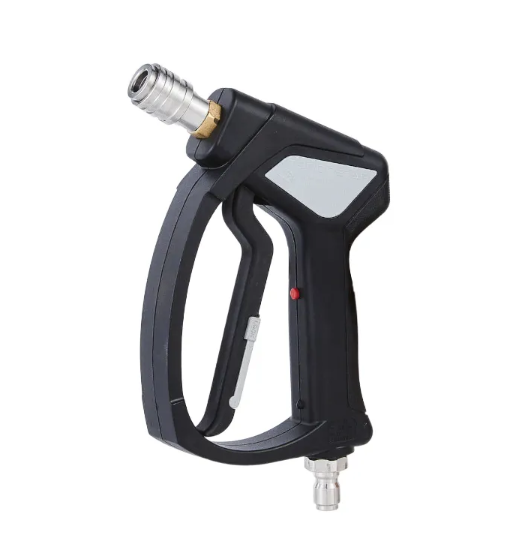
When parts don't work together properly, pressure washers just won't perform right. If someone mixes up different guns, wands or hoses, they might see pressure drop somewhere around 40% which makes cleaning less effective and wears out equipment faster. Sometimes it even leads to total system failure. All accessories should match what the machine is capable of handling in terms of both pressure (PSI) and water flow (GPM). Car wash businesses often run into problems when their quick connect fittings aren't compatible, causing leaks and unexpected shutdowns right when customers need them most. Stick with connectors that meet ISO 16369 standards if possible. These tend to stay leak free when switching between different tools. When water flows through something slower than it was designed for, pumps end up cycling too much, creating extra heat that shortens lifespan significantly according to some research on fluid behavior. For best results and safety against sudden failures, go for complete kits made by one company instead of trying to mix parts from various manufacturers. The goal is to have safety margins at least four times higher than normal operating pressures.
Table of Contents
- Nozzle Selection by Surface and Task: Balancing PSI, Spray Angle, and Safety
- High-Efficiency Attachments: Turbo Nozzles, Rotary Cleaners, and Extended-Reach Wands
- Detergent Delivery Systems and Chemical Compatibility for Precision Cleaning
- System-Wide Compatibility: Ensuring Guns, Wands, Hoses, and PSI/GPM Alignment